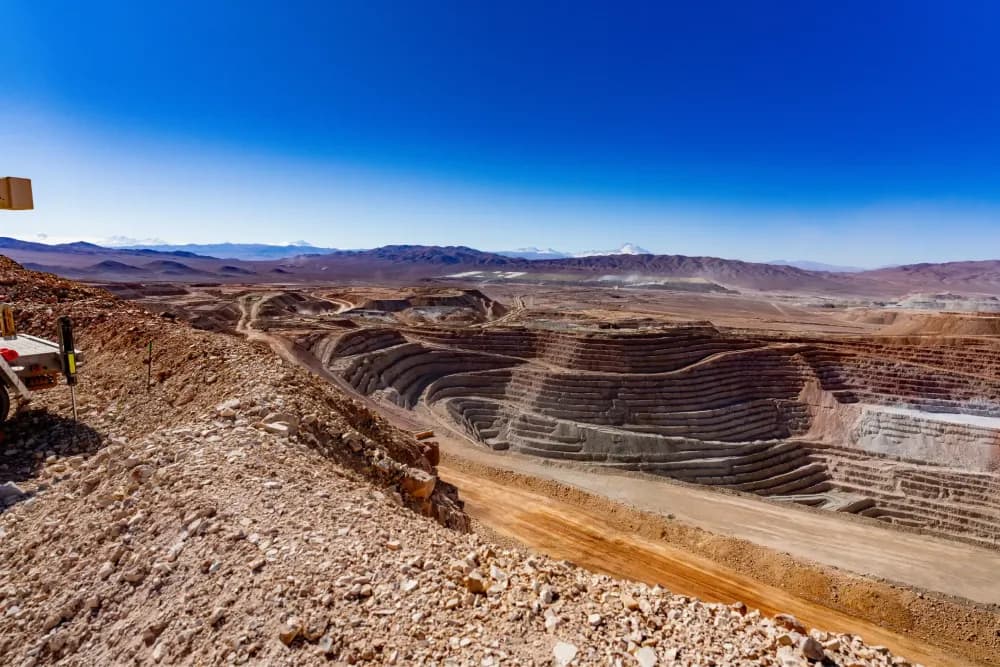
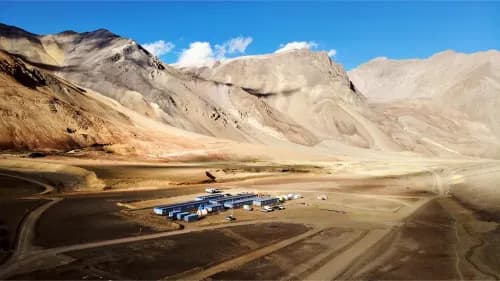
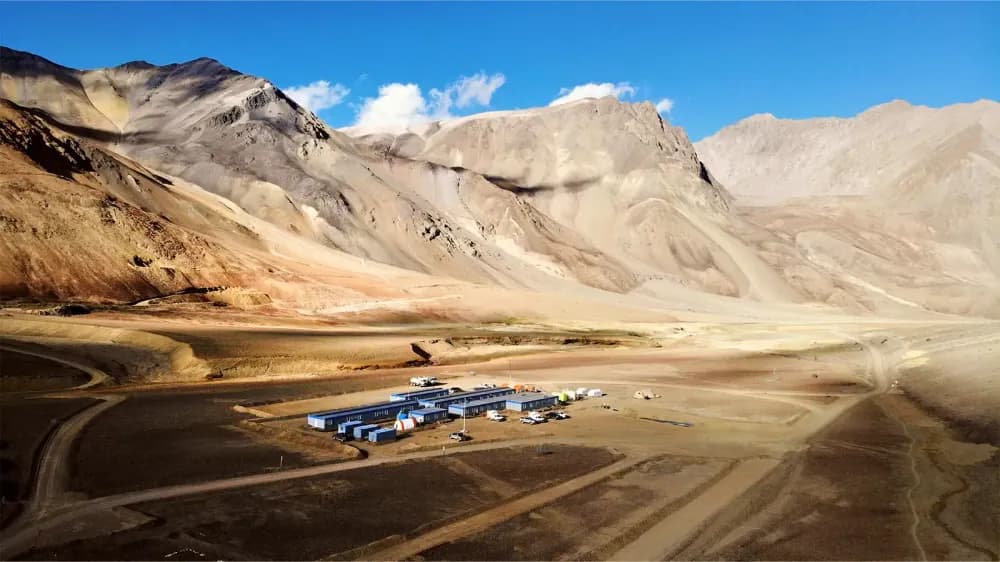
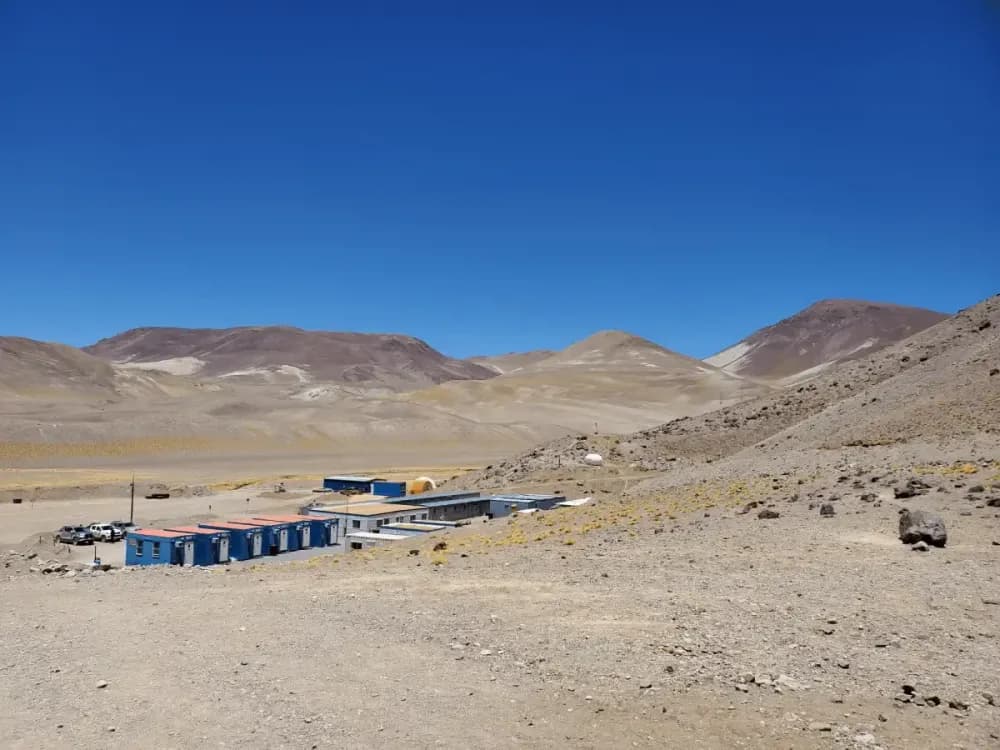
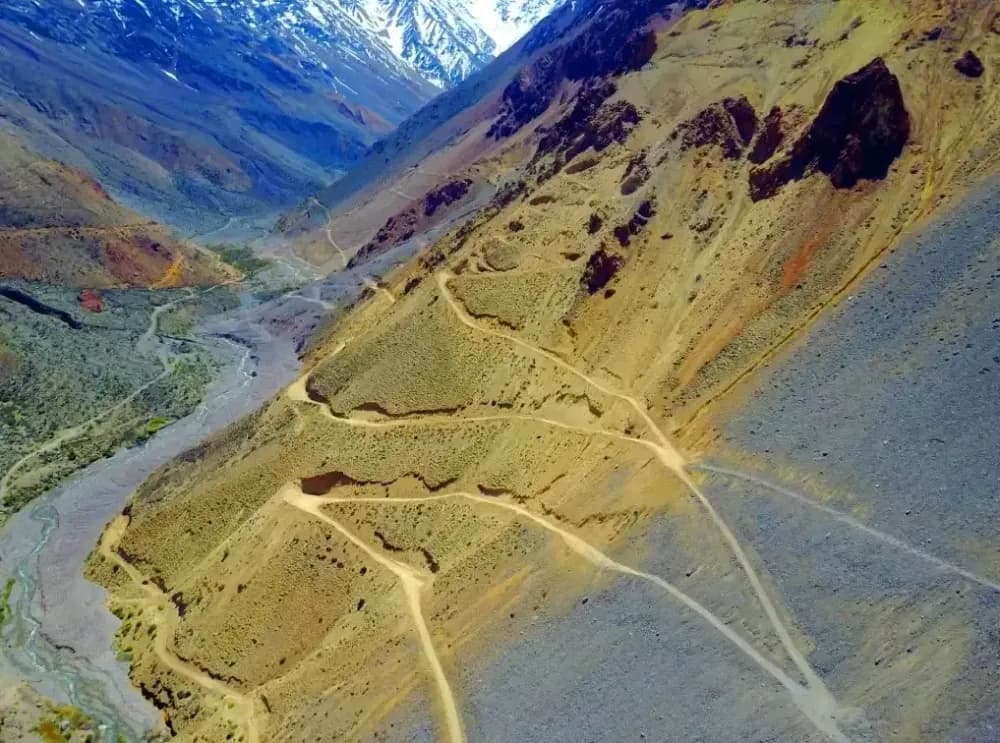
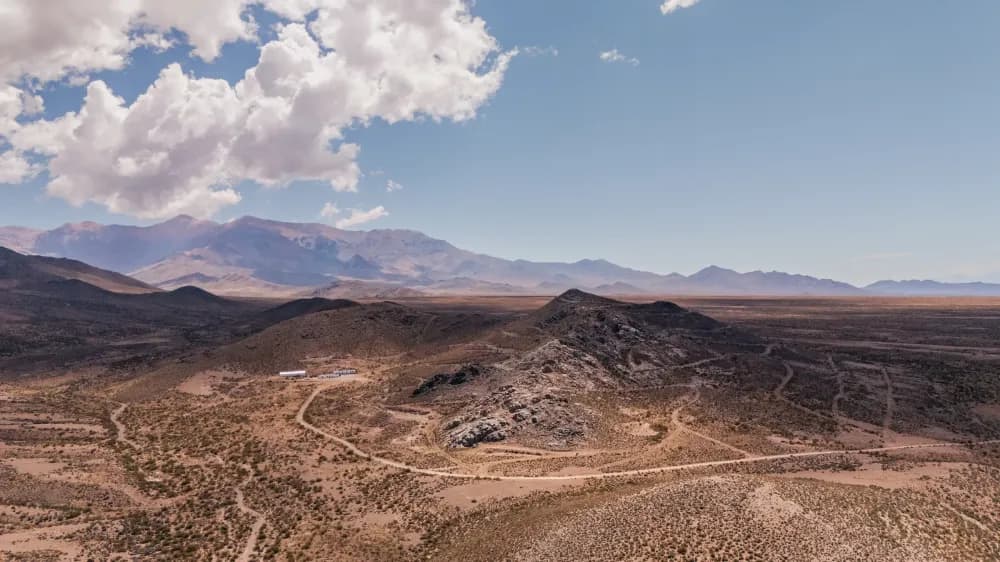
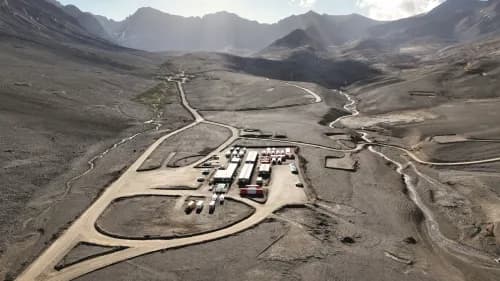
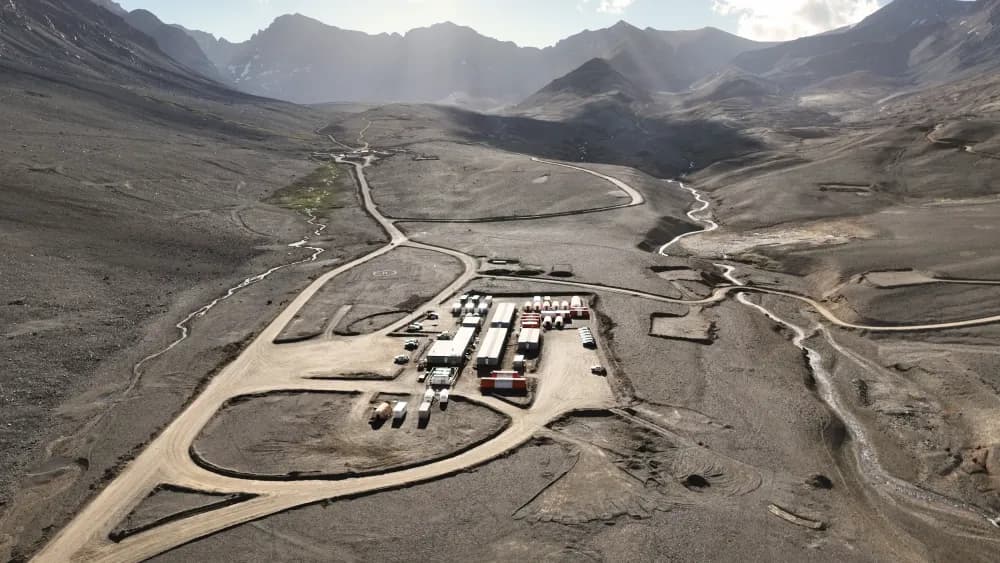
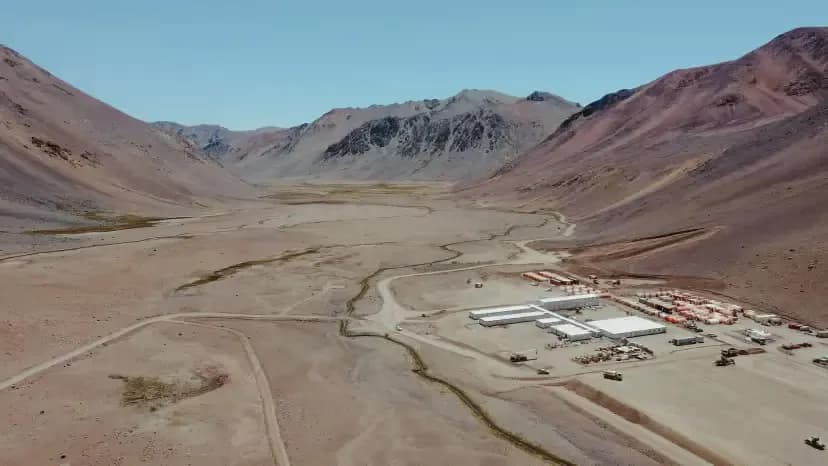
The development jointly advanced by Lundin Mining and BHP illustrates the scale of Argentina’s next generation of copper projects. Josemaría’s first phase alone will require 260 MW of power and major new transmission infrastructure in the high Andes.
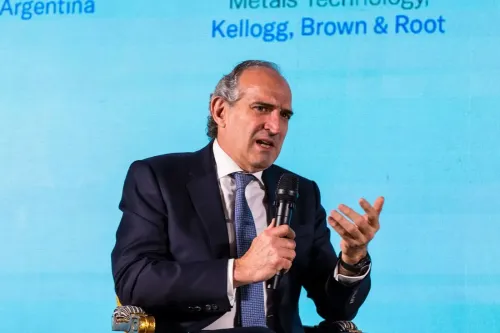
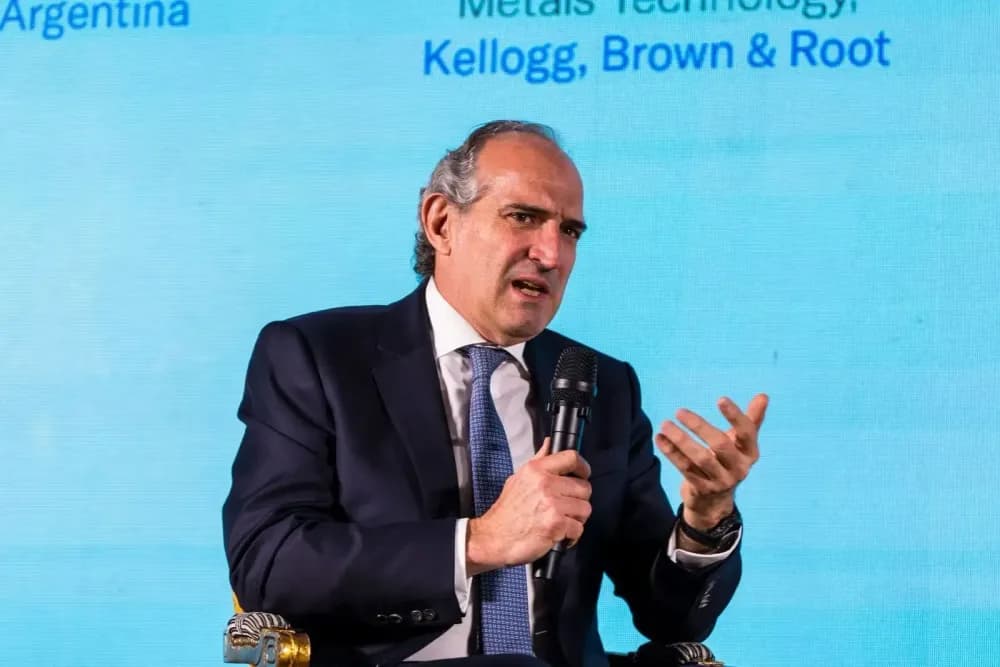
Martín Pérez de Solay, CEO of Glencore Argentina, discussed the conditions needed to develop the country’s next generation of copper projects. The company is pursuing a sequence in Argentina that begins with the restart of Alumbrera and continues with MARA and El Pachón, developments representing US$13.5 billion in investment under their RIGI applications.
Panorama Minero toured an operation that produces 5% of the world’s copper and has transformed the development of Antofagasta.
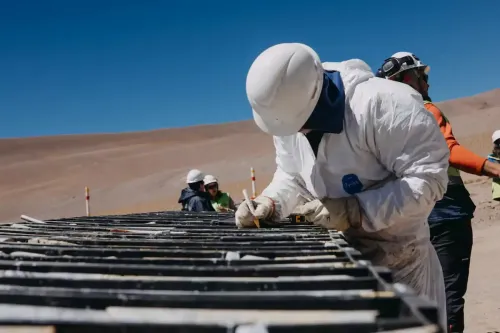
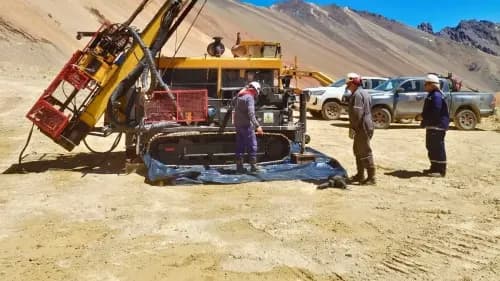
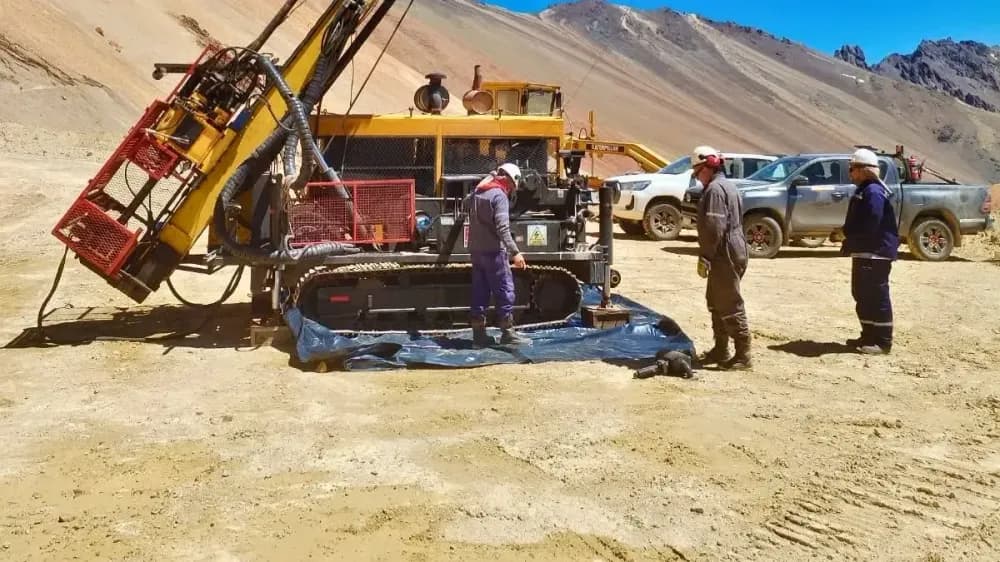
Glencore has completed a new exploration campaign at its El Pachón copper project in San Juan. The program included 53 drill holes, the completion of two strategic bridges and more than three million hours worked without lost-time incidents.
According to a report by economist Rodolfo Carciofi, the combination of global geopolitical shifts, economic reforms and new investments could open a different chapter for Argentina’s economy. In that scenario, mining emerges as one of the sectors with the greatest potential to expand exports, attract capital and strengthen the country's international position.
Argentine senator Flavio Fama analyzed the challenges facing the country’s mining industry amid the arrival of large-scale copper projects. He also warned about future competition with the oil & gas sector for talent, services and operational capacity.
With a focus on education, training, and community dialogue, the Los Azules project consolidates its presence in Calingasta, promotes employment, local identity, and territorial development throughout the department.
Government report outlines US$28 billion in potential investments, nine advanced projects and a projected increase in copper production over the next decade.
Technical report from Argentina’s Secretariat of Mining examines global copper demand, reserves, supply constraints and price outlook, with projections pointing to structural market deficits.
The company has initiated a registry of trades and professions within its direct area of influence, alongside technical studies and infill drilling campaigns consolidating the feasibility phase.
The decision halts what could have been the largest mining consolidation globally and preserves the current competitive structure in critical minerals markets.
The company has launched a 500-meter diamond drillhole in the Malargüe Western Mining District to understand the Cu–Au–Mo porphyry architecture and locate its mineralized core.
Los Andes Copper’s project in the Valparaíso Region reinforces the binational reading of transition copper and highlights once again the belt linking central Chile with Argentina’s Cuyo region.
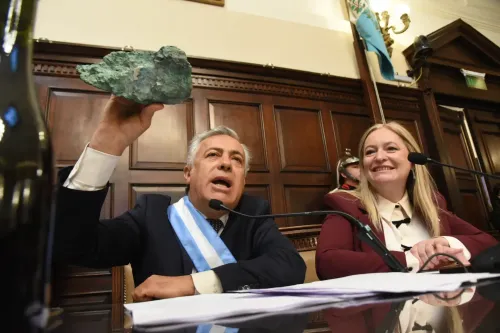
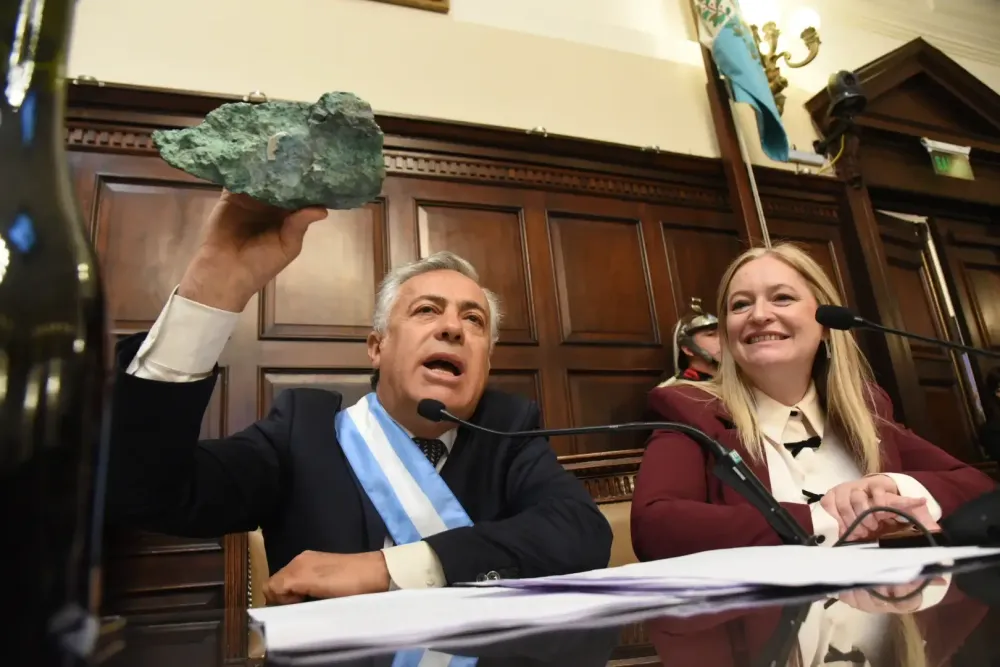
PSJ Cobre Mendocino became the project that validated, in practice, the new provincial mining policy by progressing within the constraints of Law 7,722. A story that began in January 2025 and culminated in December with a political endorsement enabling unprecedented advancement.
An analysis of the companies’ common ground—and the role Argentina could play in a possible corporate combination.
Michael Meding, General Manager of Los Azules, shared the key takeaways from 2025 and outlined the plans for 2026 for the copper project located in the Calingasta Department, San Juan Province.
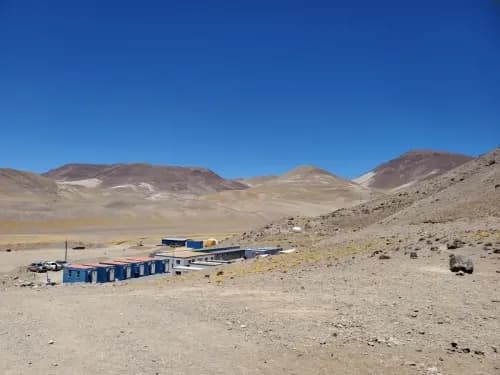
Glencore Pachón has launched activities for the 2025–26 summer season, during which more than 25,000 meters of drilling are expected to be completed in the Pachón and Carnicería valleys.
With the activation of the UGA for PSJ Cobre Mendocino, the province adds its second environmental management unit—and the first for an exploitation project—in a key step toward unlocking mining activity after two decades of stagnation.
The company is focusing the start of feasibility on achieving engineering accuracy for investment adjustments and the final CAPEX calculation.
The approval of the Environmental Impact Statement (EIS) for PSJ Cobre Mendocino not only unlocks investment in a province with a stagnant economic structure—it also underscores the resolve of Governor Alfredo Cornejo’s leadership.
With an investment of US$559 million, the project moves toward feasibility and aims to become both the first case of metalliferous mining development in Mendoza and the project that puts Argentina back on the world copper map.