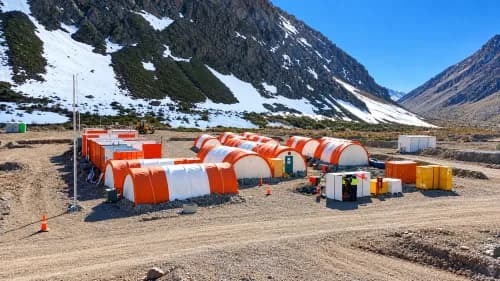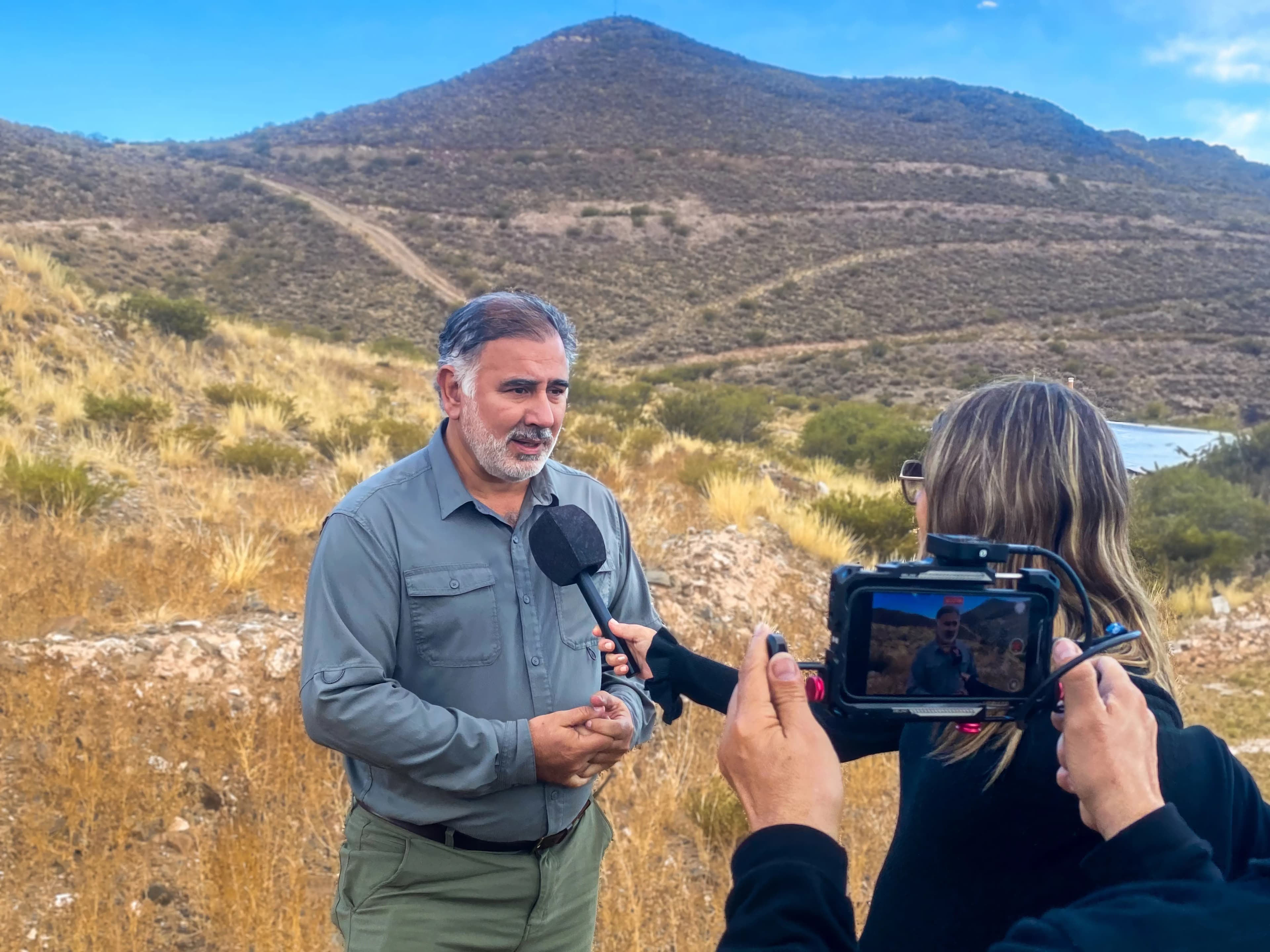
PSJ Cobre Mendocino CEO Fabián Gregorio confirmed that as the project enters its feasibility stage, the strategic plan centers on securing financing in the second quarter of 2026—an action that will trigger purchase orders for the first heavy machinery at the beginning of the second half of next year.
Por Panorama Minero
The company’s executive emphasized that the recent approval of the Environmental Impact Statement (EIS) by the Mendoza Legislature is only the beginning of the most demanding phase of the project: “Obtaining the EIS is not a finishing line; it is clearly a starting point.”
The company aims to place the first orders for critical equipment between June and July 2026, leveraging strong investor commitment. “I know firsthand the shareholders’ determination regarding this project, and that enthusiasm translates into real commitment,” he said. He added that “the project has shareholders who are absolutely committed to building the mine as soon as possible.”
The CEO stressed that the upcoming phase requires a “collective construction of the project” with the community, the state, and academia: “All working together so that the project continues to meet both the expectations and the requirements of the people of Mendoza,” he concluded.
Feasibility as the Key Investment Definer
The project—the first mining initiative to obtain full approval under Mendoza’s Law 7722—must now undergo a deep technical and financial process that will take approximately one year. The goal is for the detailed engineering to produce “the exact figure corresponding to financing and construction, as is the case for any engineering project.”
Total estimated investment stands at US$559 million, of which US$461 million will go to construction and US$81 million to initial operations. However, the CEO forecasts that a CAPEX adjustment is highly likely. “It is very likely that this will happen,” Gregorio said. It could rise from US$560 million to “around 600 or somewhat more. The rising cost of many construction-related commodities globally is pushing these numbers up,” he noted.
“The three fundamental milestones that will define this phase are the definition of all our reserves and resources, the closure of the mine’s economic-financial model, and the completion of all our sustainability plans. These results—the ‘final numbers of the project’—will contribute to its applicability under the Large Investment Incentives Regime (RIGI).”
Operational and Technical Advantages of the Deposit
PSJ, developed by San Jorge S.A. in partnership with Switzerland’s Zonda Metals and Argentina’s Alberdi Energy, seeks to leverage several competitive advantages, such as “its size, logistical simplicity, and competitive benefits regarding energy feasibility and water resources.” The open-pit operation is located within Estancia Yalguaraz in Uspallata.
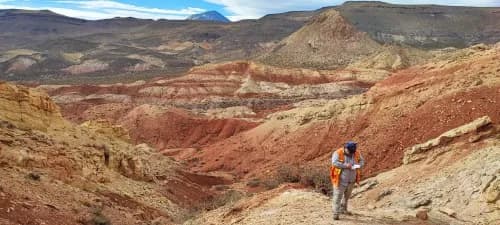
The deposit is a porphyry system with an average copper grade of 0.47%. The project outlines an initial 16-year operation with potential expansion to 27 years. The plan is to produce around 40,000 tonnes of fine copper annually, with peaks of up to 70,000 tonnes in the second year.
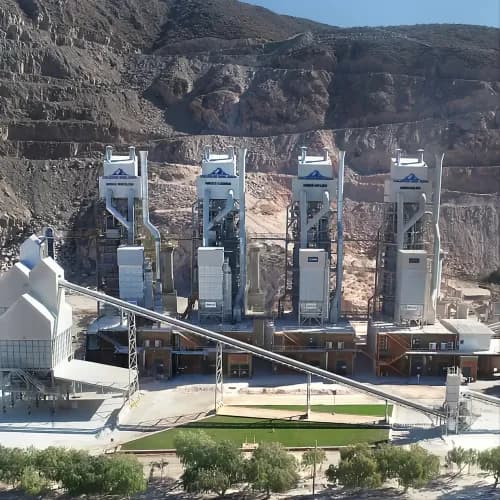
The engineering design includes a concentrator plant capable of processing 10 Mt/y, achieving a high copper recovery rate of 90%. The final product will be a dry concentrate containing 25% copper with traces of gold.
Regarding water management, maximum water consumption is estimated at 141 L/s from the El Tigre stream and the project will use a tailings storage facility with thickened-tailings technology (67% solids).