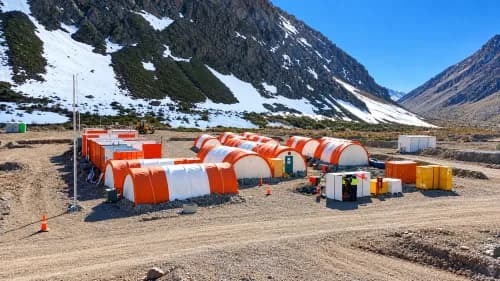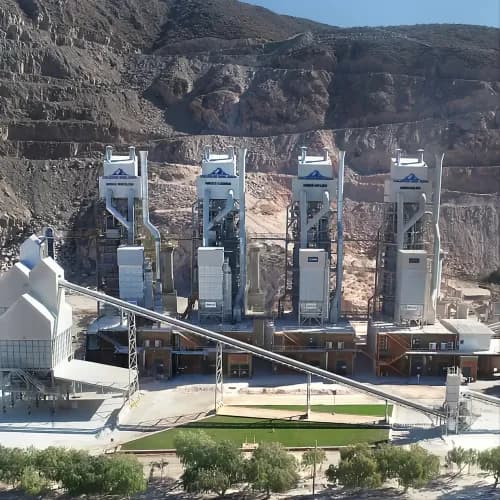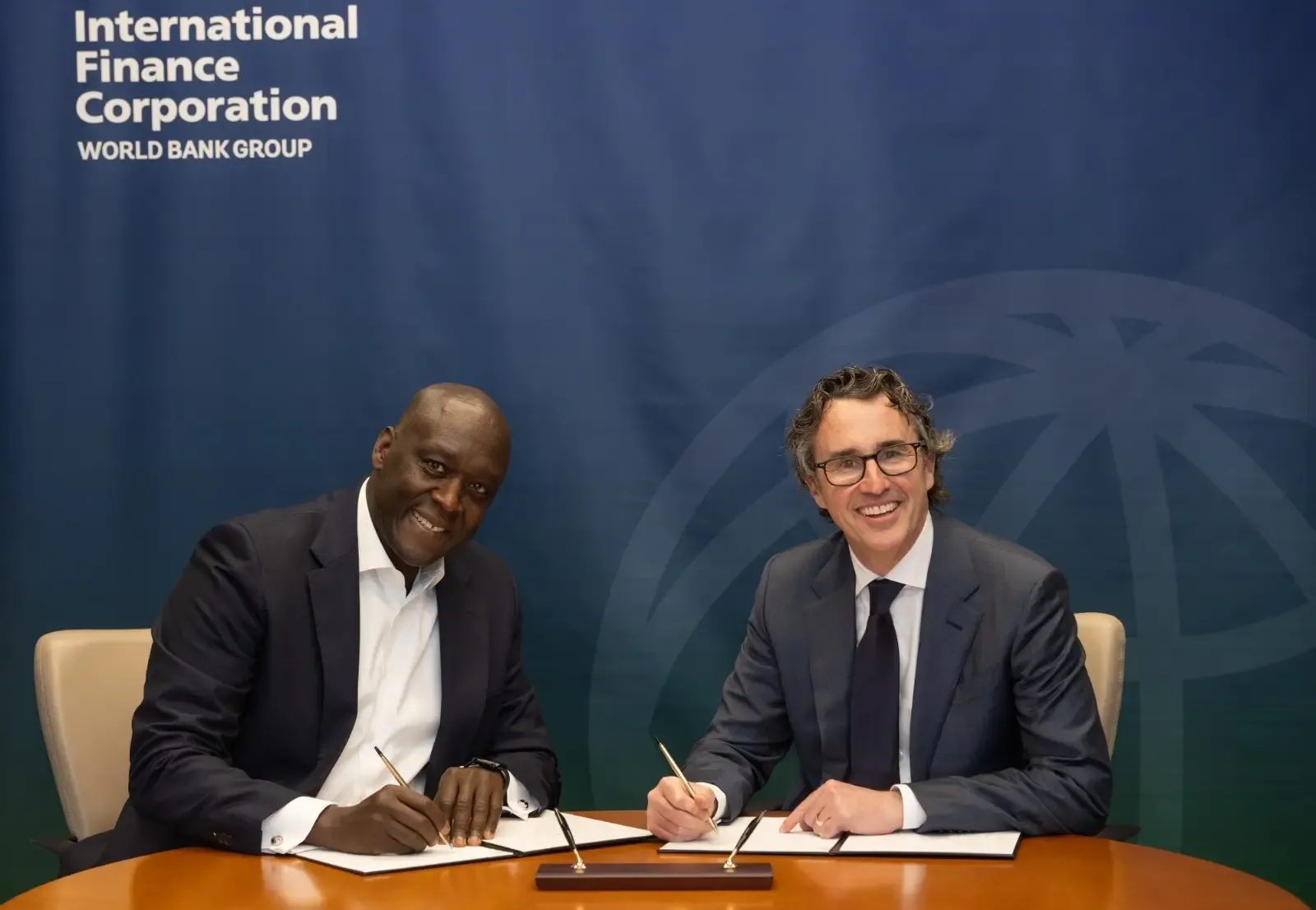
Rio Tinto has secured a US$1.175 billion financing package from four international institutions, the International Finance Corporation (IFC), IDB Invest, Export Finance Australia (EFA) and the Japan Bank for International Cooperation (JBIC), to support development of the Rincón lithium project in Argentina’s Salta province. The funds back a US$2.5 billion project designed to produce 60,000 tonnes per year of battery-grade lithium carbonate at full capacity, with an estimated mine life of more than 40 years and first production expected in 2028.
By Panorama Minero
“This financing package broadens the funding sources available for the Rincón project and supports the continued execution of our lithium growth pipeline, which is underpinned by the attractive long-term outlook driven by the energy transition,” said Jérôme Pécresse, Chief Executive of Rio Tinto Aluminium & Lithium.
Rincón begins exports to China
The announcement coincides with another operational milestone: the first commercial shipment of lithium carbonate from Rincón. The 200-tonne cargo, shipped in 10 containers from the Port of Buenos Aires to Shanghai, marks the start of exports from Salta and positions the mining major as the only lithium carbonate producer in Argentina currently exporting from the three provinces of the NOA region: Catamarca, Jujuy and Salta.
Rio Tinto in Argentina: five assets, three provinces, over US$3.9 billion committed
The financing and the first shipment from Rincón are part of a broader investment platform. According to Rio Tinto’s 2025 Annual Report, the company holds five lithium assets in Argentina, representing more than US$3.9 billion in committed investment.
In Catamarca, the Fénix 1B and Sal de Vida projects, each backed by US$700 million, are scheduled for delivery in the second half of 2026. Fénix 1B, with capacity for 10,000 tonnes per year of lithium carbonate equivalent (LCE), has completed construction and is advancing through commissioning, currently 60% complete. Sal de Vida, designed to produce 15,000 tonnes per year, has completed construction and is 40% through commissioning.
In Jujuy, the Olaroz lithium operation currently runs as a joint venture between Rio Tinto (66.5%), Toyota Tsusho (25%) and the provincial government through JEMSE (8.5%). Cauchari, also located in the province, is currently classified as a lithium resource with no defined development timeline.
Overall, Rio Tinto’s lithium business reported 57,000 tonnes of LCE production in 2025, of which 46,000 tonnes were directly attributable to Rio Tinto. The figures reflect the March 2025 acquisition of Arcadium Lithium, after which the company operated independently during the first quarter of the year.
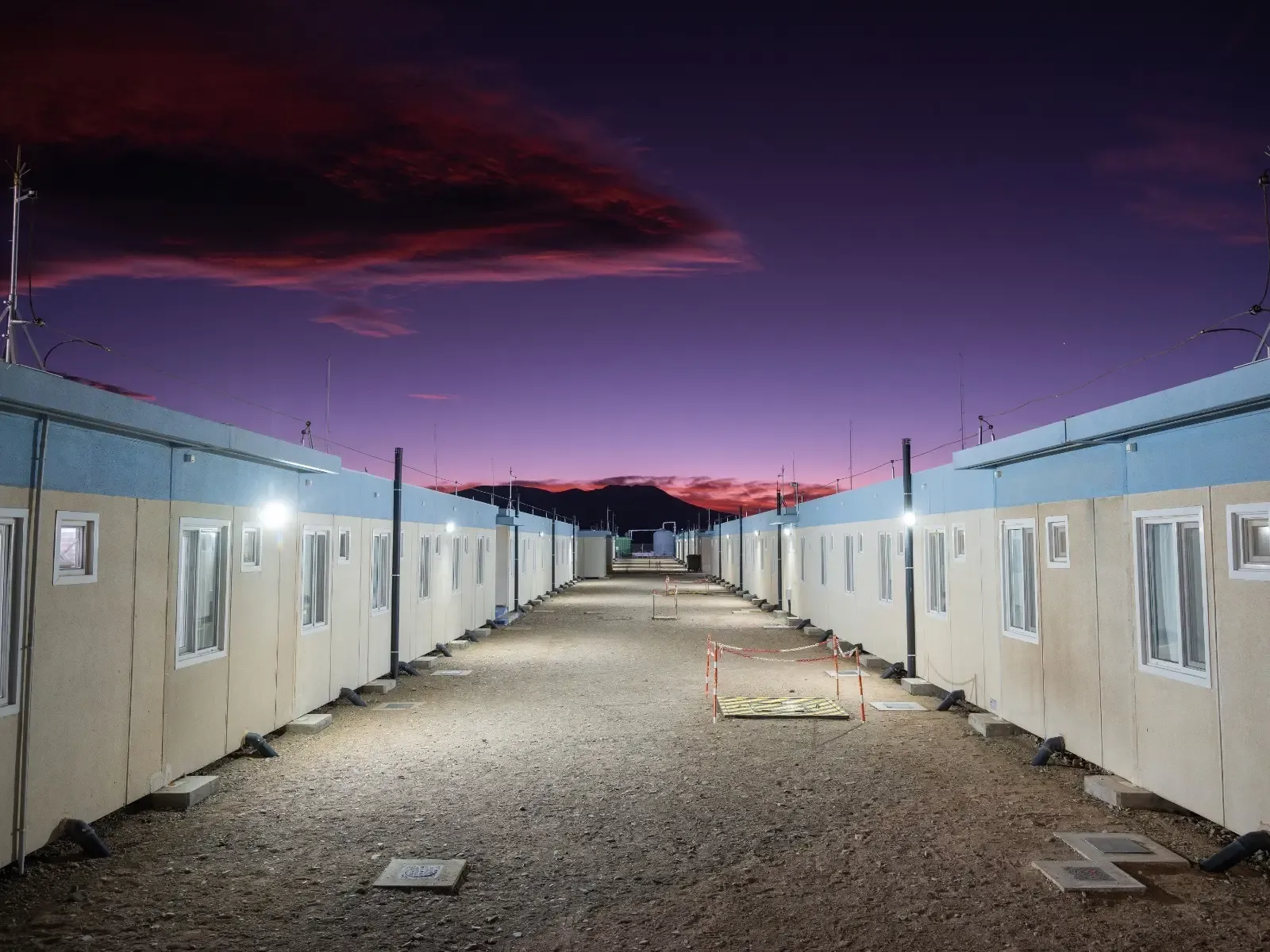
Rio Tinto’s expansion in Argentina comes at a time when the country is seeking to consolidate its position as a strategic supplier of critical minerals. The Large Investment Incentive Regime (RIGI) has signaled greater openness to foreign capital, and the lithium sector, with active projects in Jujuy, Salta and Catamarca, has emerged as one of its main beneficiaries.
The combination of multilateral financing, defined production timelines and active exports across the three lithium-producing provinces of northwest Argentina points to a new stage for the country’s mining industry and its integration into global critical mineral supply chains.