José Luis Manzano shared his perspective on mining development in Argentina during an Atlantic Council meeting, where he addressed the status of his projects, the sector’s operating conditions, and the factors influencing the execution of large-scale initiatives.
By Panorama Minero
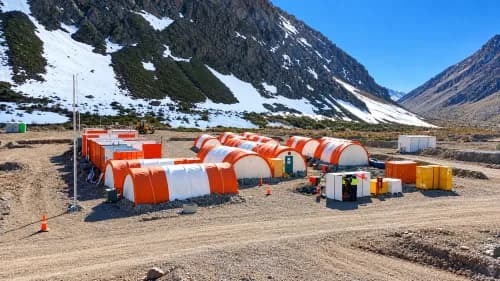
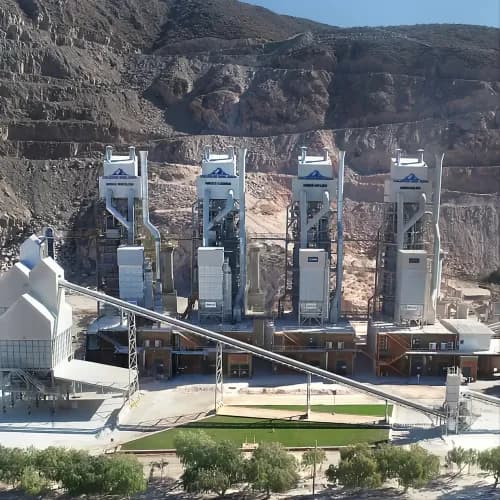
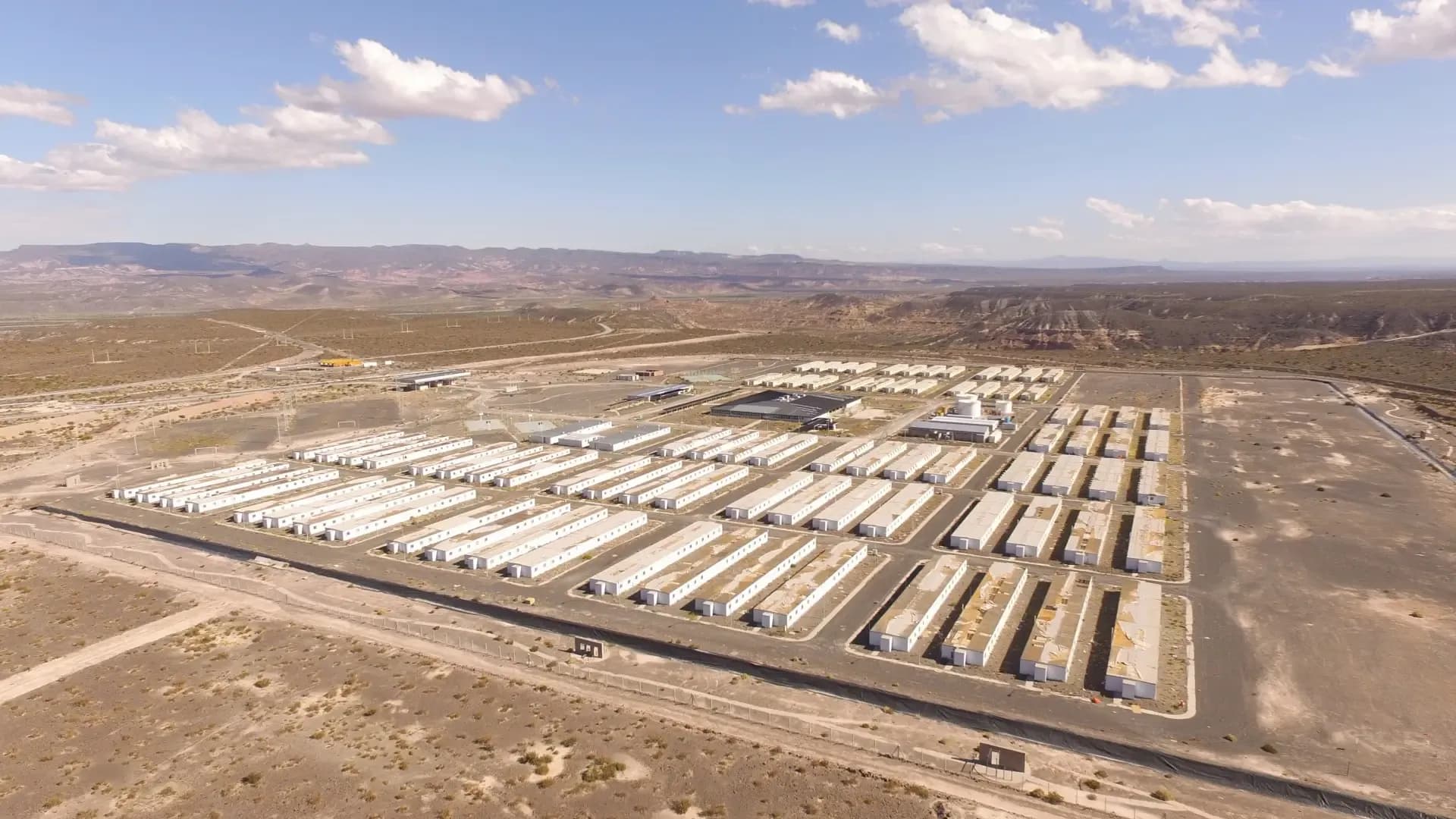
In this context, he referred to Potasio Río Colorado (PRC), located in Malargüe, Mendoza, as well as to the dynamics of the sector at the national level. Regarding the potash project, the businessman stated that the initiative has moved beyond the feasibility stage and is currently in an early development phase. “We are building a pilot plant to begin production,” he said, referring to the project’s current status. In the same vein, he pointed out that logistics remains one of the main constraints for its progress: “logistics is still not resolved.”
At the local level, the project is being developed in a context where Compañía Minera Aguilar Potasio S.A. has not met the milestones established in the agreement signed with the Province of Mendoza, triggering review mechanisms and potential sanctions under the agreed framework.
The Development Stage in Mining Projects
During his remarks, Manzano described mining project development as a process that goes through different stages, with a particularly complex intermediate phase between exploration and production. “The middle is a nightmare… getting permits, securing financing, building the mine,” he said, outlining the variables that affect execution timelines.
In this regard, he identified infrastructure as one of the key factors for sector development. He stressed the need for railway systems, high-voltage transmission lines, and port access to enable production in mountainous regions and subsequent commercialization. “Logistics keeps me up at night,” he added.
Role of the Provinces
The businessman also addressed the role of provincial governments in mining development. He noted that the private sector requires specific conditions related to permitting and operational stability. “Provinces are about permitting… and non-interference,” he said, defining permitting as a process that combines administrative approval with social support.
He also pointed out differences between jurisdictions depending on their stance toward mining, highlighting cases of promotion and others with greater restrictions on project development.
Macroeconomic Conditions and Financing
Regarding the national context, Manzano emphasized the importance of macroeconomic conditions and the regulatory framework in facilitating access to financing. He noted that instruments such as the Incentive Regime for Large Investments (RIGI) help create conditions to connect local projects with international capital markets, particularly financial centers such as Wall Street.
On the international front, he suggested the possibility of structuring a relationship with the United States based on complementarity between resources and capital. In this sense, he mentioned the role of strategic buyers to secure the supply of critical minerals within a framework combining investment and demand.
Participation of Argentine Capital
Finally, he referred to the role of Argentine private capital in sector development, highlighting the availability of technical and financial capabilities within the country. According to Manzano, local participation can focus on early development stages, particularly exploration and value creation in mining projects.