GEMERA Highlights Changes to the Mining Investment Regime
The update to Law 24,196 simplifies VAT refund procedures, imports, and the registration of exploration projects.


The update to Law 24,196 simplifies VAT refund procedures, imports, and the registration of exploration projects.
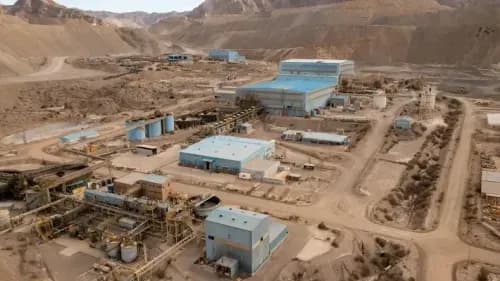
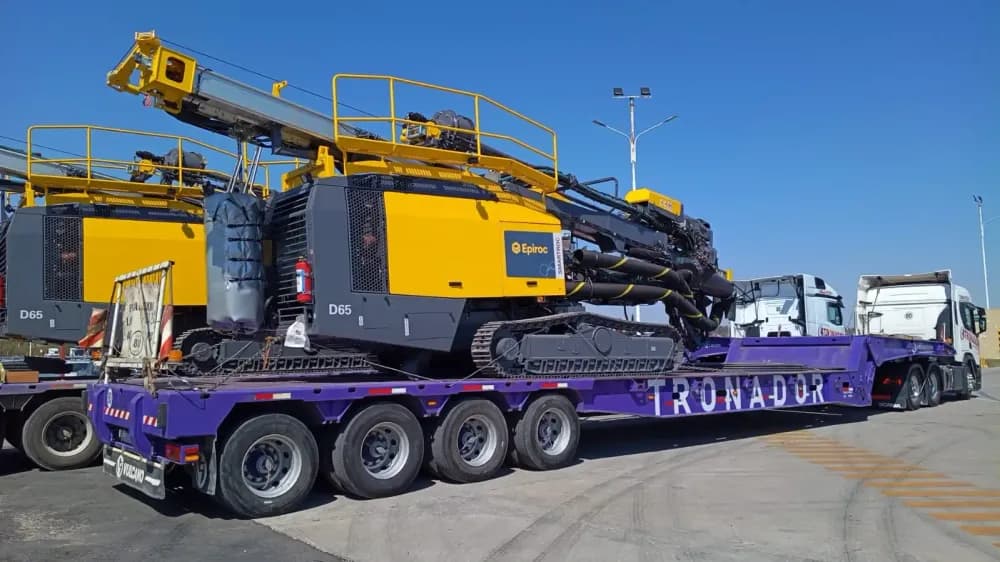
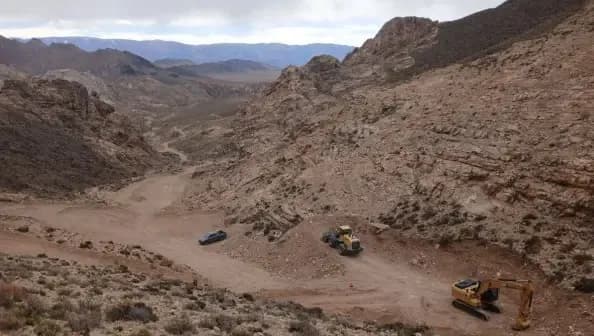
Yacimientos Mineros de Agua de Dionisio (YMAD) has launched a public tender to acquire four equipment units for underground mining operations at Farallón Negro, in Argentina’s Catamarca province. The contract also includes a fleet management system, after-sales services and implementation. Bids may be submitted until October 19.
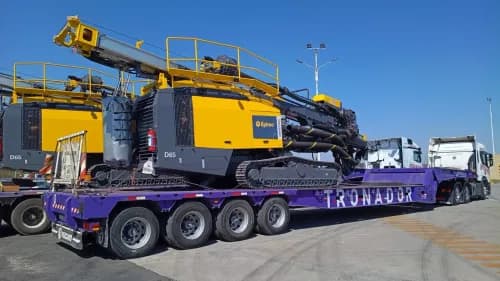
The two units will initially operate manually and progressively transition toward autonomous operations through automation technology.
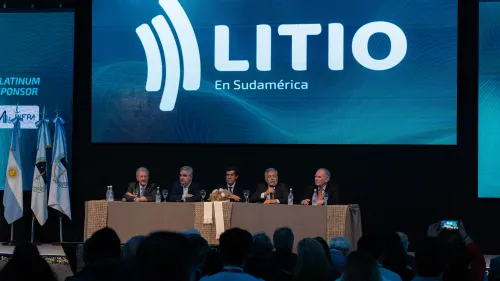
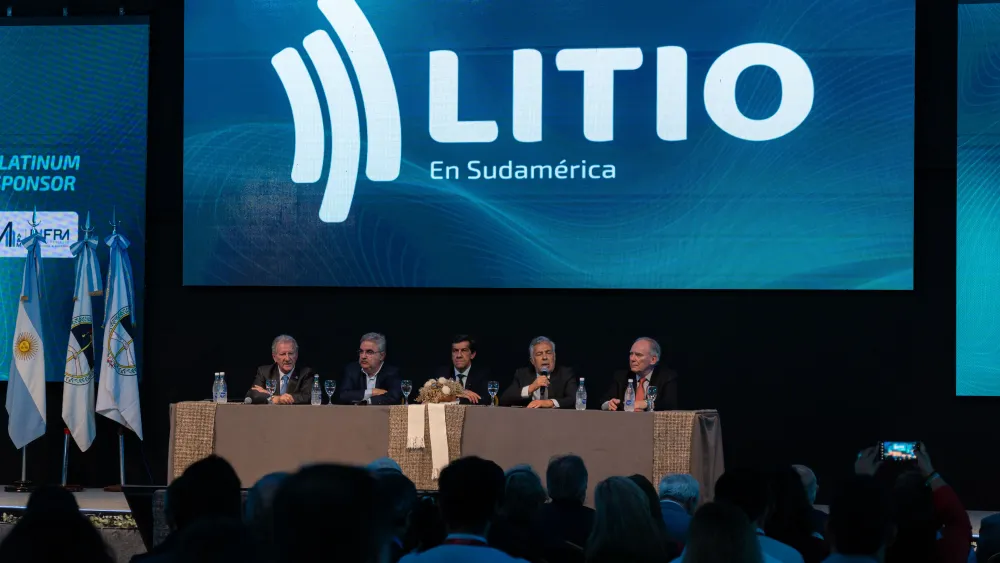
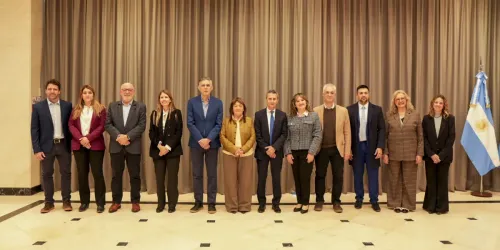
At the closing ceremony, leaders from Jujuy, Catamarca, Mendoza and Salta agreed that the new mining cycle requires stability, infrastructure, suppliers and training to translate investment into employment and regional development. Luis Lucero called for maintaining the institutional and economic conditions that have driven the sector.
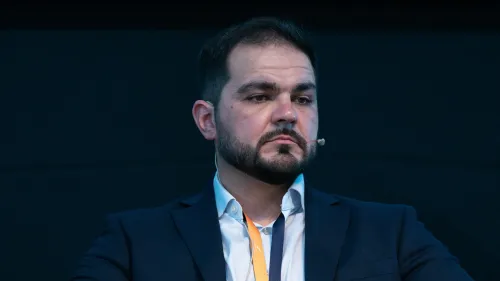
Guillermo Simonutti, COO of Eramet Eramine, highlighted the performance of direct lithium extraction at Centenario-Ratones and explained why the technology will be key to the next expansion. The French mining company is preparing a US$350 million plant expansion.
The initiative, developed jointly with the Government of San Juan and Fundación Fundar, assessed the emotional well-being of adolescents aged 13 to 17.
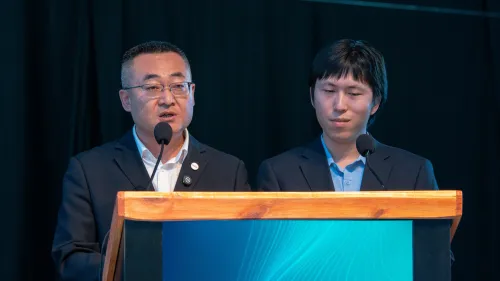
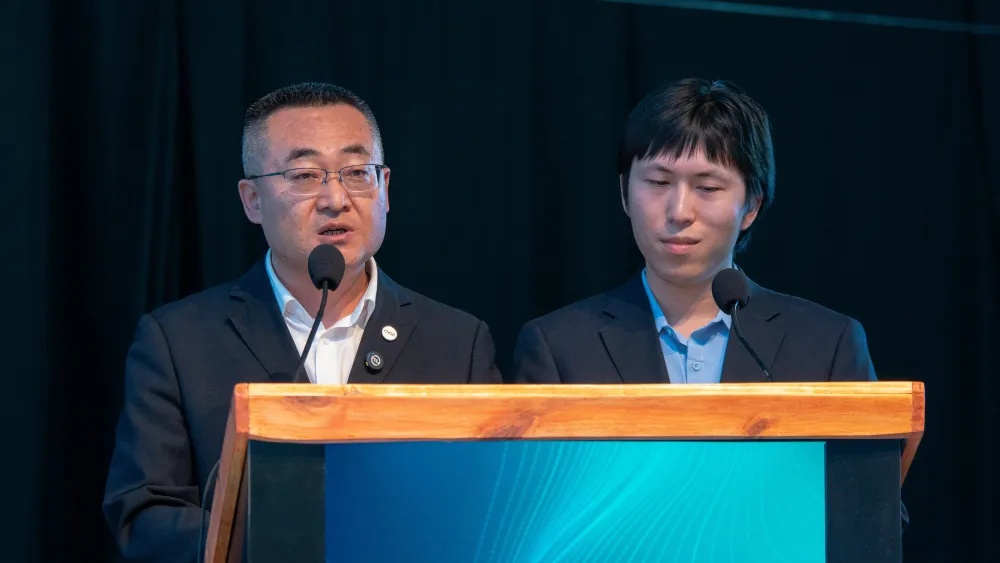
Yang Jianyu, Vice President of CNGR South America, analysed the global market, production costs, the growth of LFP batteries and Argentina’s strategic advantages towards 2030 during a presentation in Jujuy.
 Duration 10:47Duration 12:02Duration 20:18Duration 21:09



Subscribe to our newsletter for exclusive news, insights, and updates on the mining industry and Panorama Minero's latest initiatives.
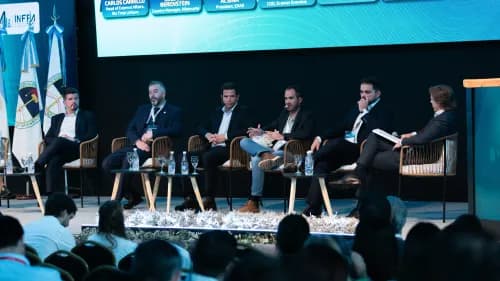
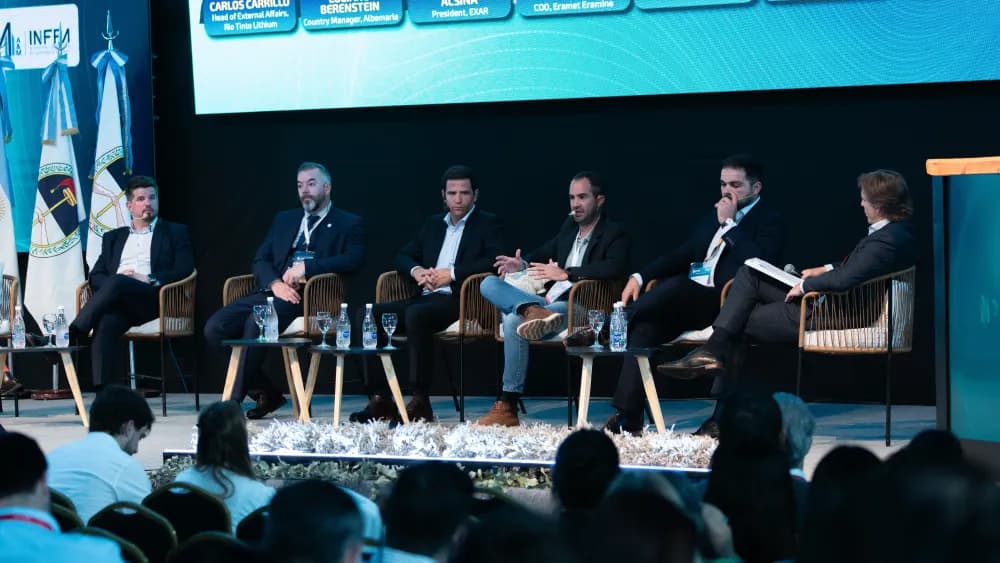
Rio Tinto, Eramet, Exar, CNGR and Albemarle outlined their next steps in Jujuy, ranging from new investments and expansions to direct lithium extraction, exploration and supplier development.
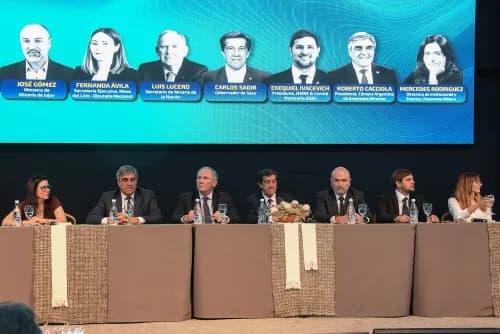
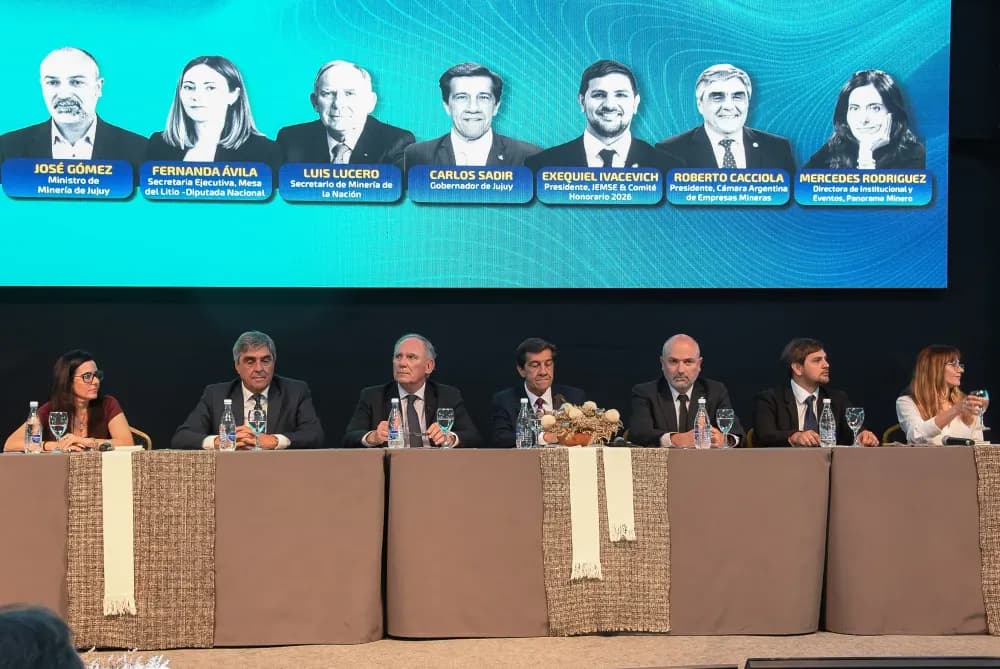
In Jujuy, national and provincial authorities and business leaders agreed that the new scale of the lithium industry requires infrastructure, suppliers, talent and stable rules to transform investment into regional development.
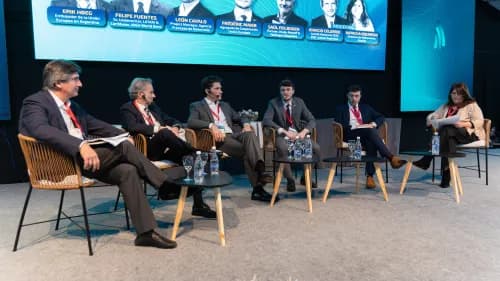
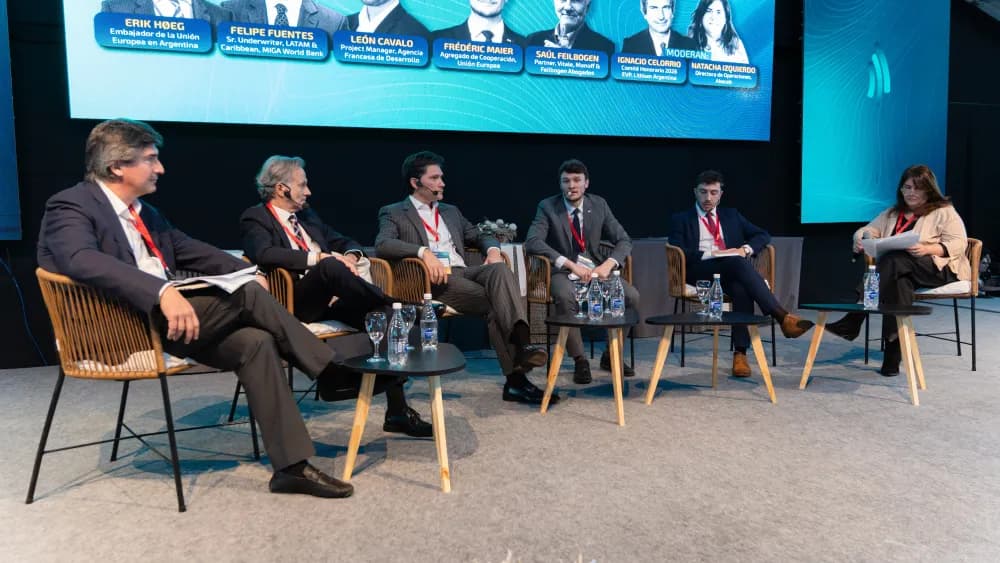
During the second panel of Lithium in South America, European representatives, multilateral organizations and specialists analysed how to attract capital, reduce risks and turn mineral resources into projects.
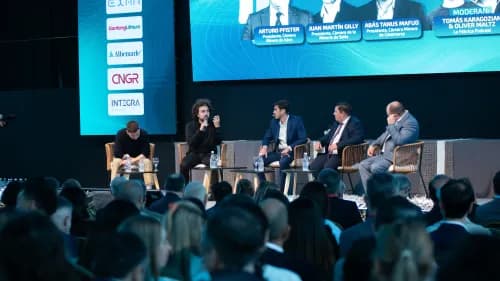
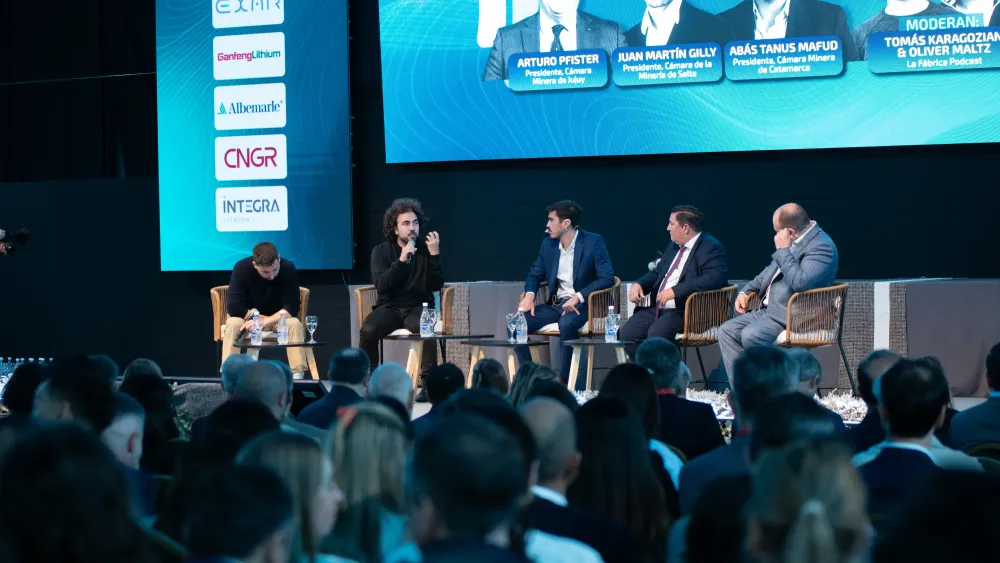
The presidents of the mining chambers of Jujuy, Salta and Catamarca agreed that the new stage requires more infrastructure, training, competitiveness and regional coordination. They also defended the impact of the RIGI.
Mining lawyer and Lithium Argentina Corp. Executive Vice President of Legal, Government and External Affairs Ignacio Celorrio discusses the new landscape for lithium following the volatility of recent years and the factors now shaping investment decisions.
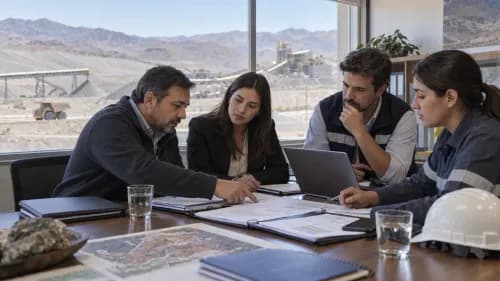
Adopting integrity practices can help reduce risks, strengthen internal processes and protect corporate reputation. For mining SMEs and suppliers, compliance can also provide a competitive advantage when seeking new clients, contracts and investment.




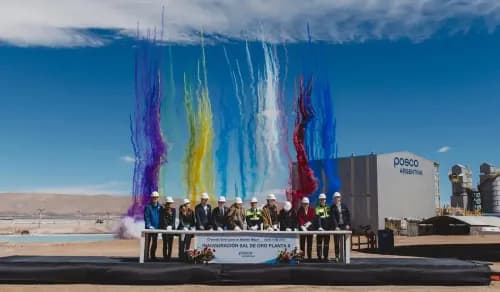
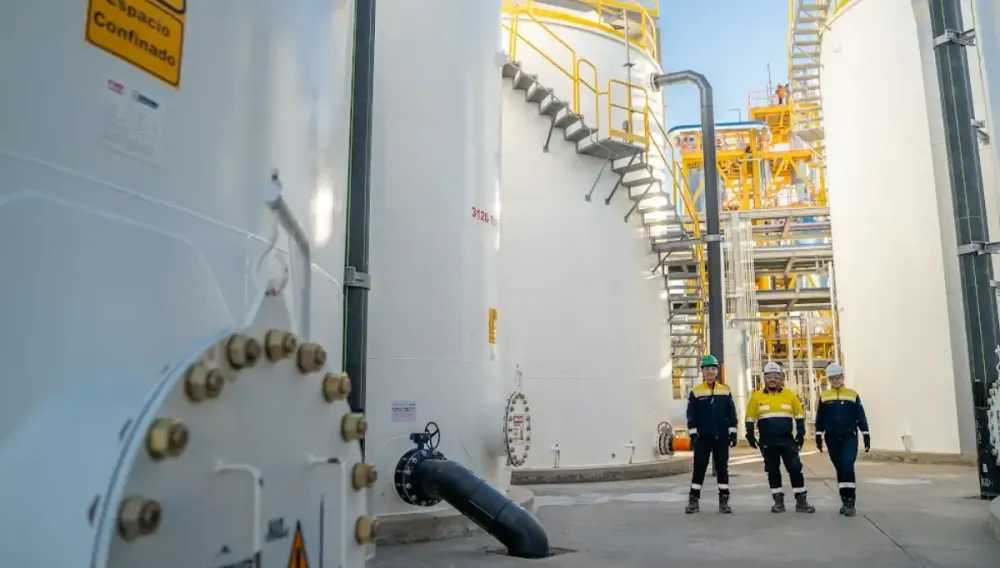
It is the first mining project to become operational with investment through the RIGI. The plant has a capacity of 23,000 tonnes of lithium carbonate per year. Diego Santilli, Karina Milei, Raúl Jalil and Gustavo Sáenz attended the ceremony.
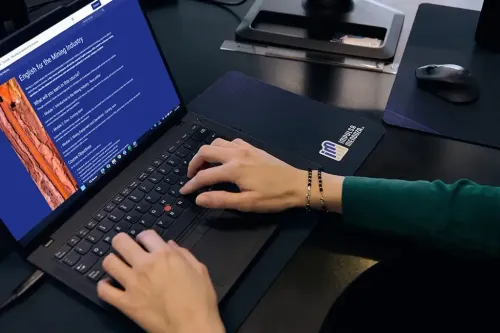
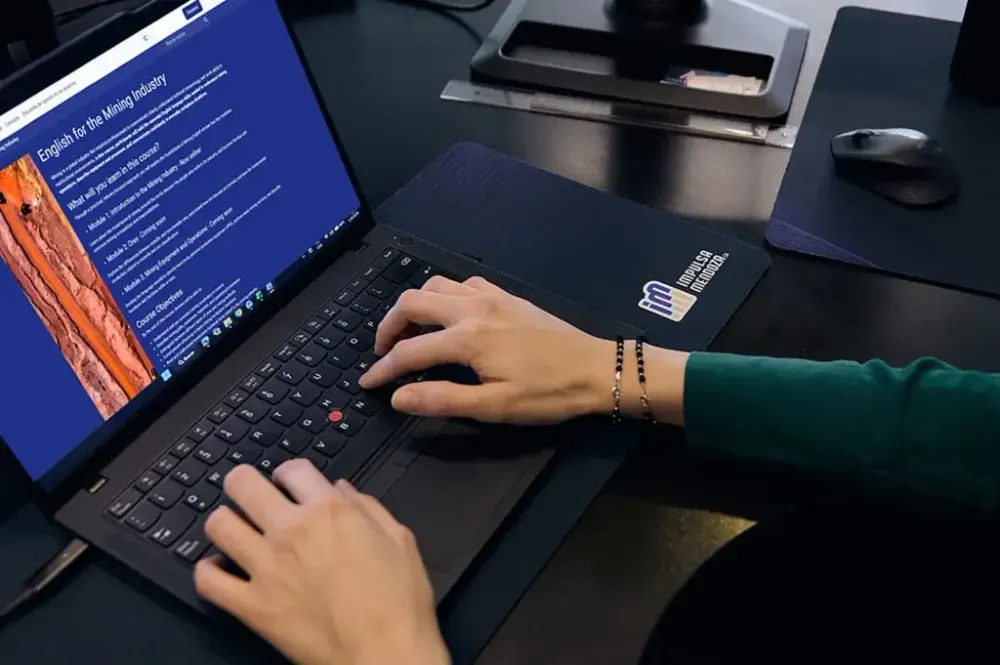
The course has been incorporated into Impulsando el Conocimiento, the program that accounted for 27% of the provincial company’s operating expenses in 2025.
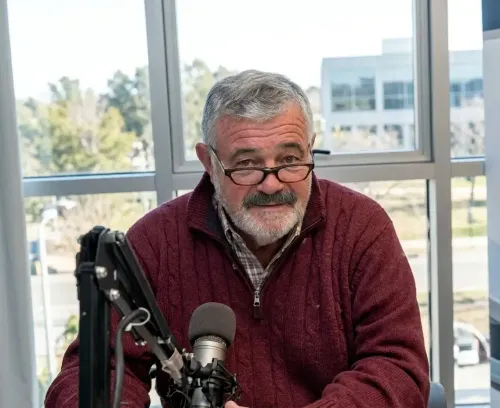
A diploma program has been launched to prepare professionals in mining chemistry and direct lithium extraction.
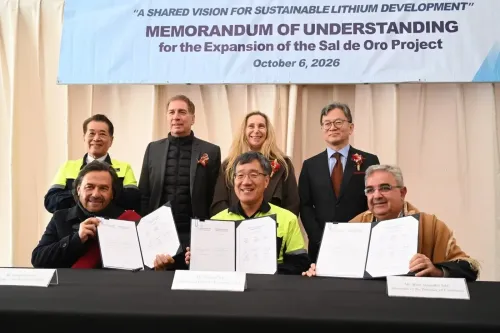
The governors of Catamarca and Salta highlighted that the arrival of the Korean-owned company made it possible to open channels for dialogue.
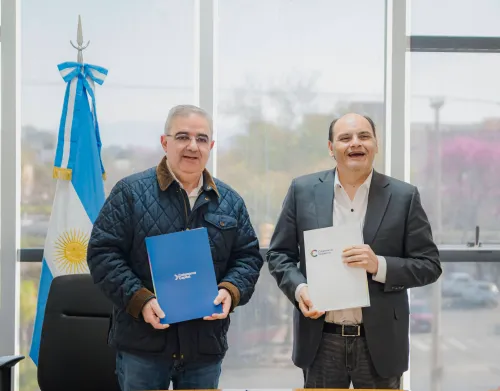
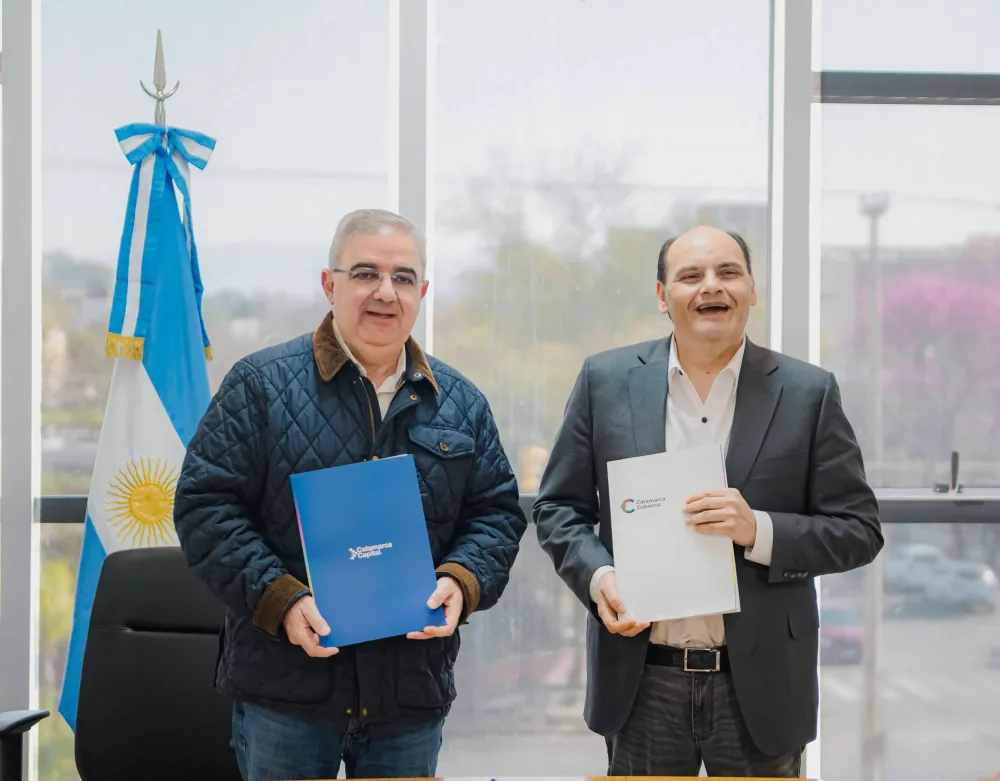
Governor Raúl Jalil and Mayor Gustavo Saadi signed an agreement to allocate municipal properties to the construction of an administrative complex and a logistics and operational site.
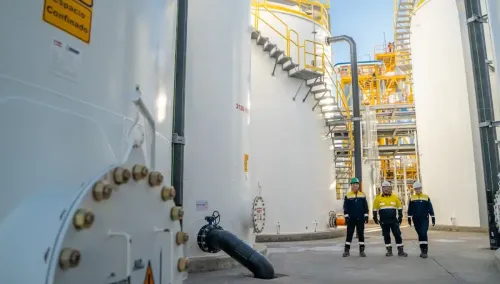
The company projects production of around 75,000 tonnes of lithium carbonate equivalent (LCE) in 2026 and expects to double that volume over the following two to three years as Rincón comes online.




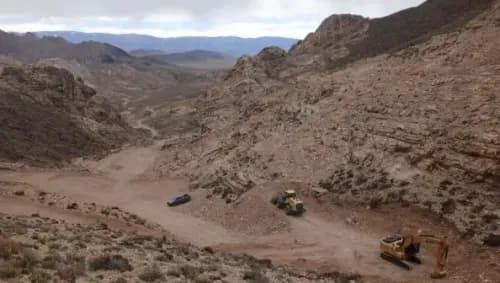
The company reported intersections of more than 650 metres at the San Juan project and confirmed the start of a second phase of drilling for mid-October.
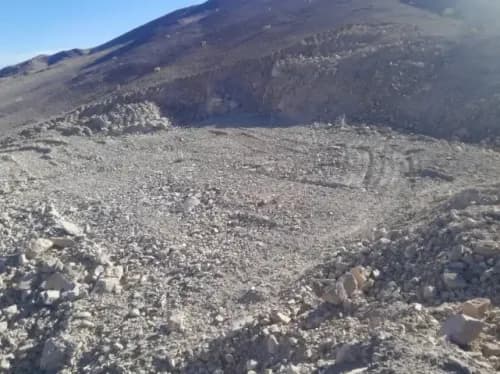
The company has commenced a 1,250-metre drilling program targeting Sico, Cobre and Iceberg, with an estimated budget of US$1.08 million. Full results are expected in the first quarter of 2027.
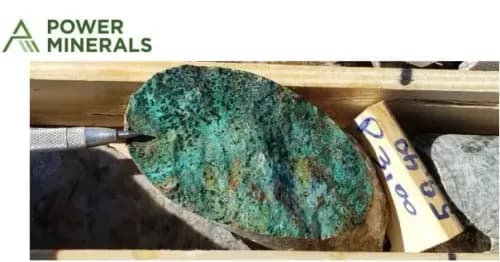
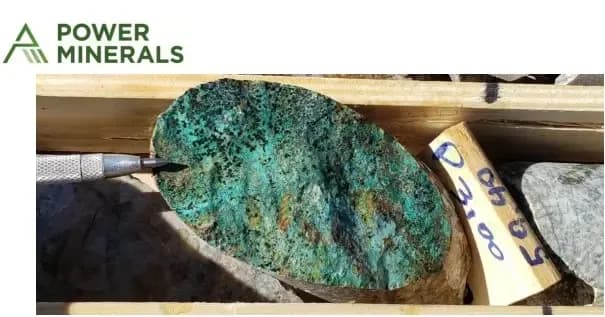
The Australian company seeks to develop its portfolio of five lithium salars, with Rincón as its most advanced asset, while reactivating copper and gold exploration at Santa Inés.
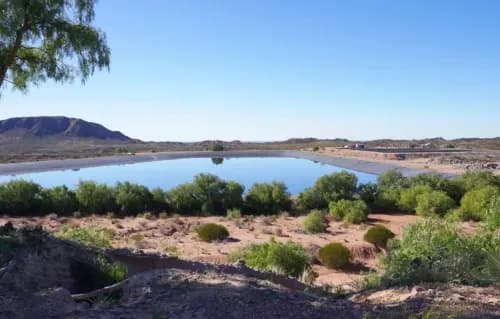
The San Rafael Mining and Milling Complex, in Mendoza, would receive AR$1.464 billion under the 2027 Budget bill, 2.08 times the amount that CNEA plans to allocate to uranium exploration throughout the country.
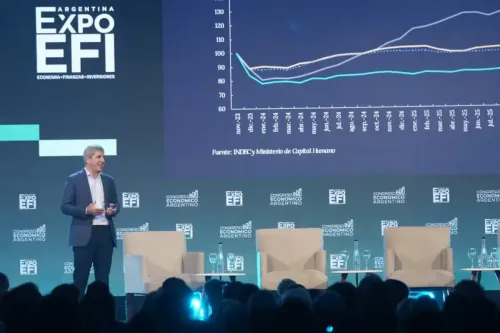
The program gathered information from around 100 state-owned enterprises and developed tools for governments and civil society to use that data.
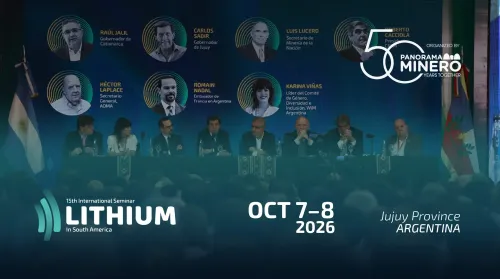
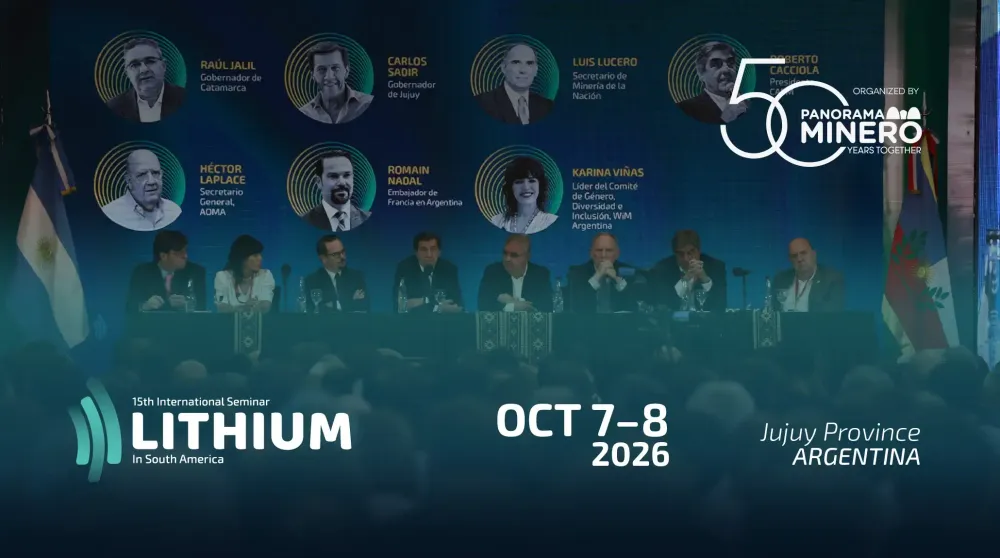
Just two days remain until Jujuy once again becomes one of the main gathering points for the international lithium industry. On Wednesday 7 and Thursday 8 October, Panorama Minero will hold the 15th edition of Lithium in South America, a conference that has tracked the sector's growth since 2011 and that this year will bring together representatives of the companies leading Argentine production, projects under development, governments, international organizations, analysts, scientists, suppliers and leaders from the main consumer markets.