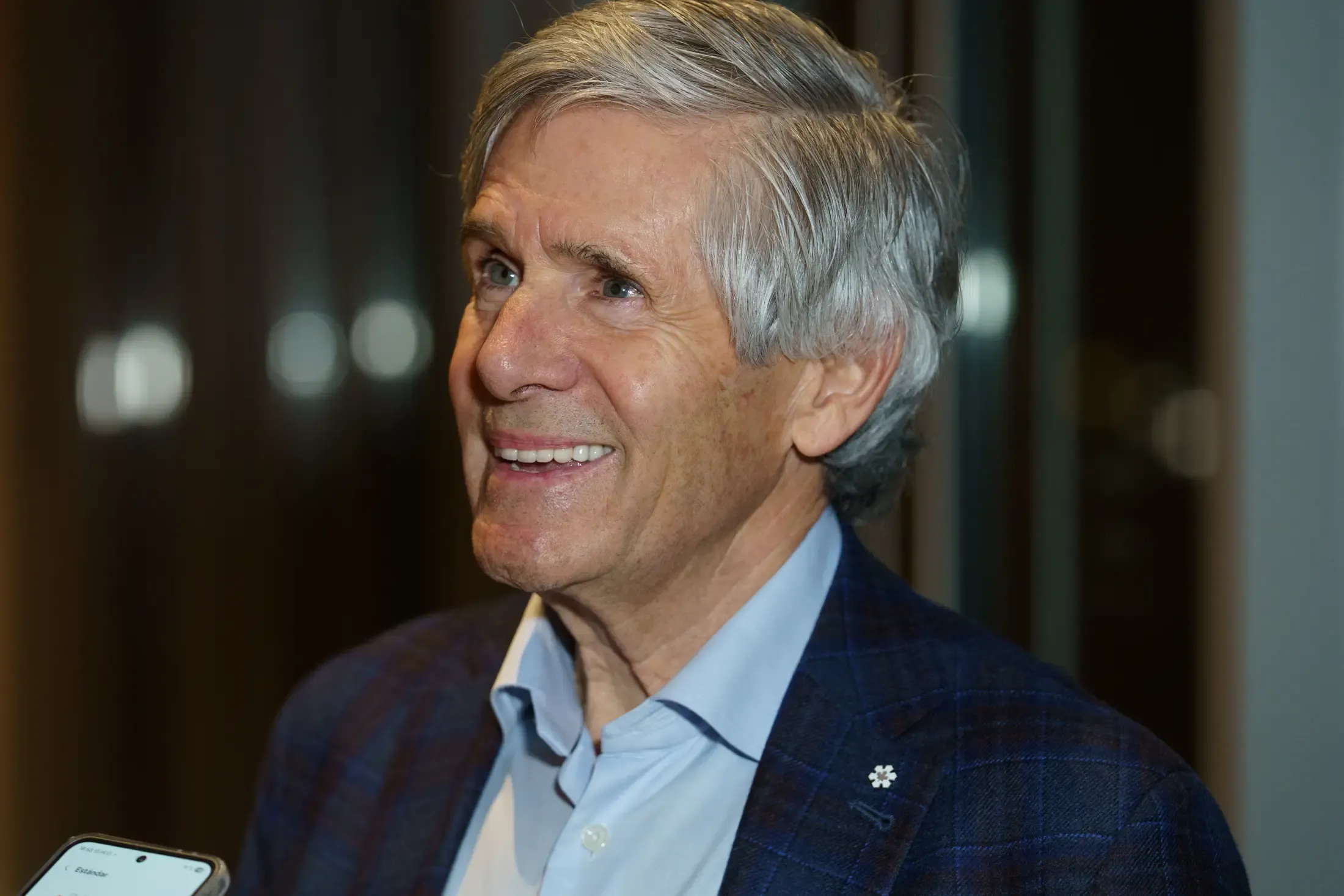
Rob McEwen, President and CEO of McEwen Mining, analyzes the global macroeconomy and the price of gold. A strong believer in precious metals, he highlights Los Azules as his major bet on copper.
By Panorama Minero
You’ve been in the mining industry for many years and have consistently been bullish on precious metals. Why?
Governments around the world are irresponsible when it comes to fiscal policy. They go out, print large amounts of money, and take on massive debt.
When they do that, they weaken the value of their currencies — and that has been happening for thousands of years. They simply can’t stop saying, “Well, I’m going to give you some money.”
But they don’t have the revenue to support it, so they borrow. And they print more and more money. Back in 2011, I said that gold was going to reach $5,000 and silver $200.
And money is just paper…
That’s right. I’m a big believer in gold because it’s different from real estate. You can hold some gold and sell it quickly, getting your money right away. With real estate, it’s much harder to sell quickly.
Gold also doesn’t decay, and it’s accepted all over the world. And right now, we’re seeing central banks buying more gold than they have in the last 20 years. So that trend is building.
And even in crypto, like stable coins — there’s a company called Tether that used to hold U.S. Treasury notes. They approached us about buying an interest in a mine we owned so they could have hard assets.
It really surprised me: they were buying two tons of gold a month. And this is a cryptocurrency company. So they’re recognizing that the world is now moving away from growth and toward hard assets. And precious metals are hard assets.
With gold trading above $5,000 per ounce, what can we expect in the medium term?
Well, I think everyone has to understand that nothing goes in a straight line forever. Gold has gone up, and now it’s on a plateau.
We reached about $5,400 an ounce, and now it’s back down to around $5,000 — even after the U.S. moved against Iran.
I can see it going beyond $7,500, but probably not before the end of the year. Some of my friends are talking about $10,000. I know someone else who’s saying $20,000.
If people suddenly start thinking, “I don’t trust the paper currency in my wallet. I need to buy something that holds value,” then gold could move much higher.
And in Argentina, for example, the price of gold has risen quite a bit in peso terms because the currency has been weakening.
McEwen Mining is primarily focused on gold and silver, but you also have the Los Azules project. Why copper, and why Argentina?
Well, my exposure to Argentina goes back about 20 years. I invested in a company called Minera Andes, and after a while I owned about 25–26% of it.
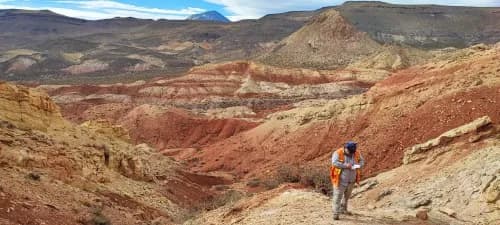
That was when President Menem had opened the country to mining, and Minera Andes’ geologists identified Los Azules as a property of interest. The more I got to know it, the more I thought it could be a copper unicorn.
It had the potential to become a very large project, so I kept watching. I also watched the different governments go through various changes.
I just believed in the property. And when I look at projects that aren’t gold, I convert them into a gold equivalent.
So I take the gold price and divide it by the copper price to come up with a ratio — the number of pounds of copper that equal the value of one ounce of gold.
Then I divide that into the amount of resources we have. As of last week (*), we had 35.7 billion pounds of copper at Los Azules. And if I divide that by the ratio from last week — although it may have changed today —, but it represented a gold-equivalent resource of about 41 million ounces. And to me, that’s a very large gold deposit. So I said, let’s keep pushing this.
My spirits lifted when President Milei was elected. He came in and said, “Look, we need to attract more foreign investment into the country because that will create a larger employment base. It will bring more money into the economy and help bring down inflation.”
And all of that is good for Argentina.
What are the next steps for Los Azules in 2026?
We completed the feasibility study, and it was released in October.
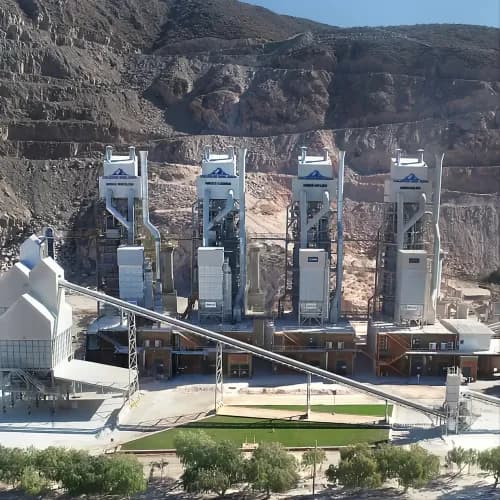
That study basically looked at the project’s economics and what needs to be done. Now we have to complete the detailed engineering before starting construction. We hope to begin construction in 2027 and reach production by 2030.
We’re looking at a project where the first phase would last about 20 years, followed by a second phase of another 33 years — so roughly 53 years in total. We also have a large exploration property that we plan to continue exploring, and we believe the mine life could extend even further.
You have Rio Tinto as a strategic partner. Is there room for Rio Tinto to increase its stake in the project? And what would that depend on?
Rio Tinto currently owns 17% of Los Azules and Stellantis owns 18%. Rio also has a number of projects around the world.
We’re using their technology, called Nuton, to increase copper recoveries without needing a mill or producing tailings. They’ve said they like the property. They haven’t said yet that they’re going to write a check and help us develop it, but they do like it — so time will tell.
(*) This interview took place in Toronto on March 3, within the framework of the PDAC Annual Convention.