
UNJu Promotes Training Focused on Lithium
A diploma program has been launched to prepare professionals in mining chemistry and direct lithium extraction.
A diploma program has been launched to prepare professionals in mining chemistry and direct lithium extraction.

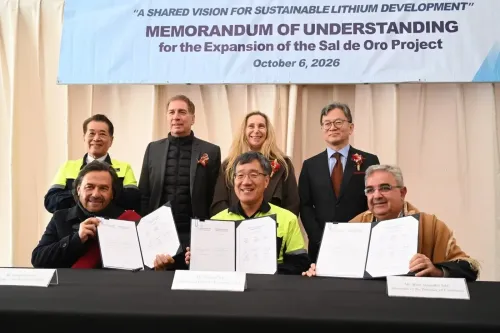
The governors of Catamarca and Salta highlighted that the arrival of the Korean-owned company made it possible to open channels for dialogue.
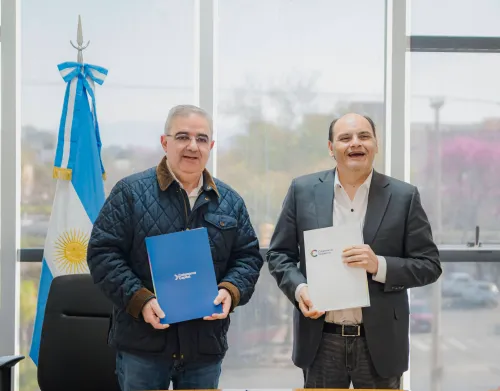
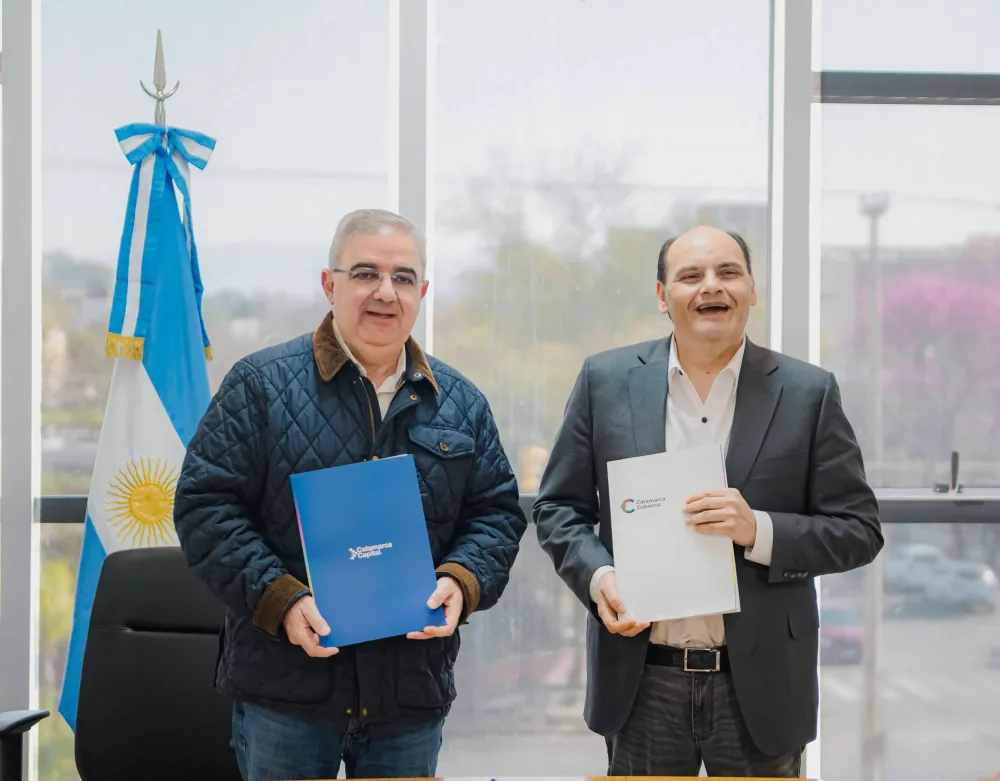
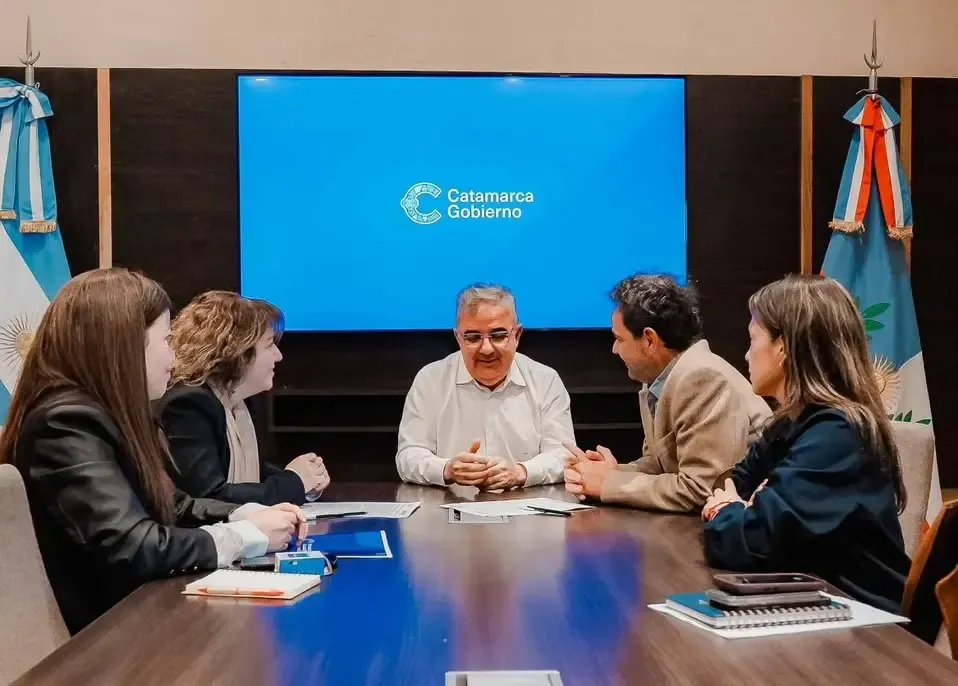
Governor Raúl Jalil and Mayor Gustavo Saadi signed an agreement to allocate municipal properties to the construction of an administrative complex and a logistics and operational site.
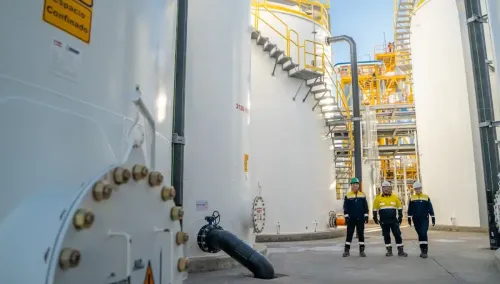
The company projects production of around 75,000 tonnes of lithium carbonate equivalent (LCE) in 2026 and expects to double that volume over the following two to three years as Rincón comes online.
Subscribe to our newsletter.
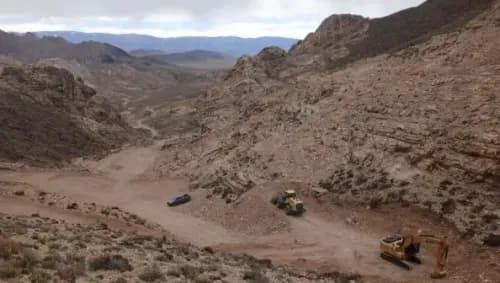
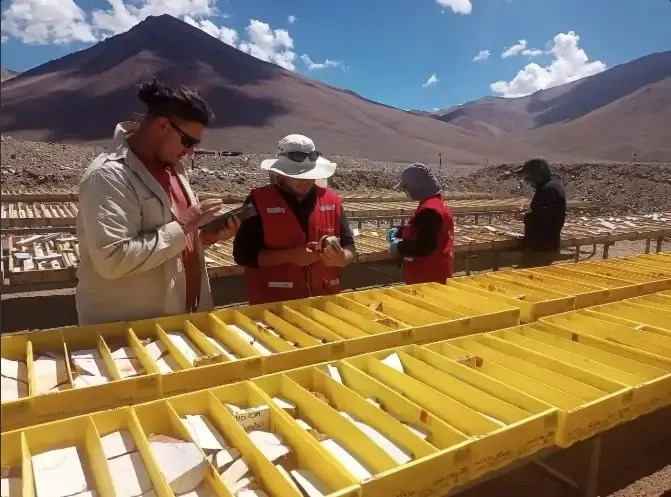
The company reported intersections of more than 650 metres at the San Juan project and confirmed the start of a second phase of drilling for mid-October.
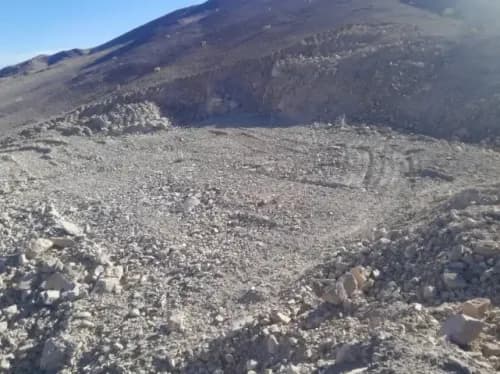
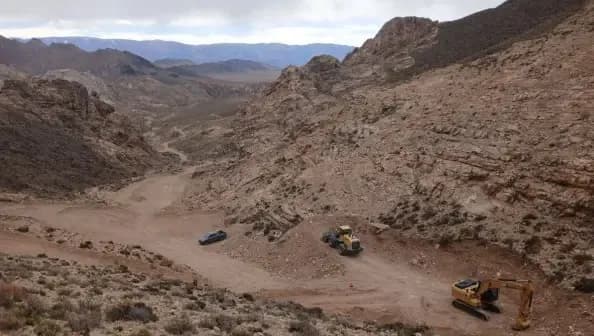
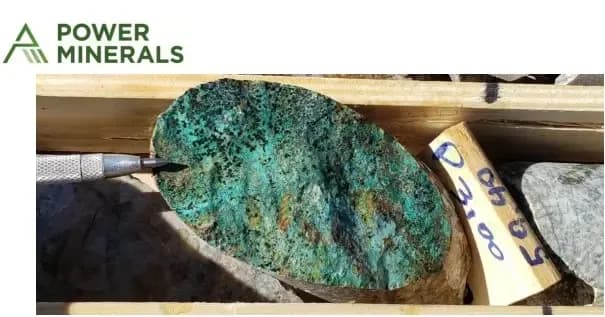
The company has commenced a 1,250-metre drilling program targeting Sico, Cobre and Iceberg, with an estimated budget of US$1.08 million. Full results are expected in the first quarter of 2027.
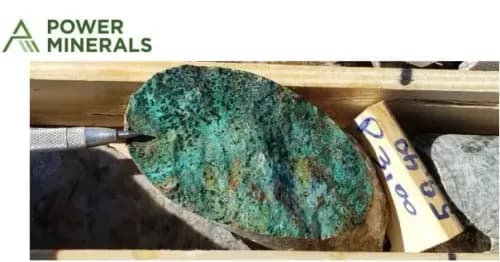
The Australian company seeks to develop its portfolio of five lithium salars, with Rincón as its most advanced asset, while reactivating copper and gold exploration at Santa Inés.
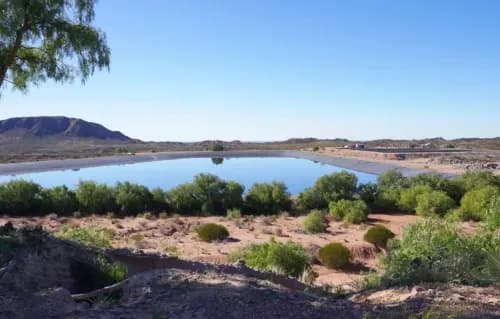
The San Rafael Mining and Milling Complex, in Mendoza, would receive AR$1.464 billion under the 2027 Budget bill, 2.08 times the amount that CNEA plans to allocate to uranium exploration throughout the country.
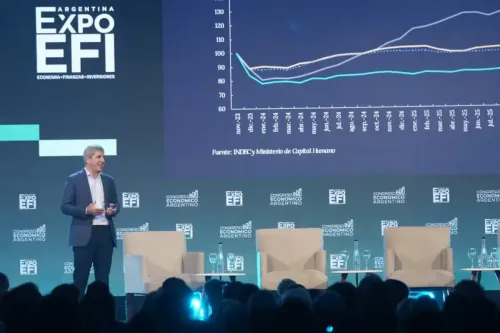
The program gathered information from around 100 state-owned enterprises and developed tools for governments and civil society to use that data.
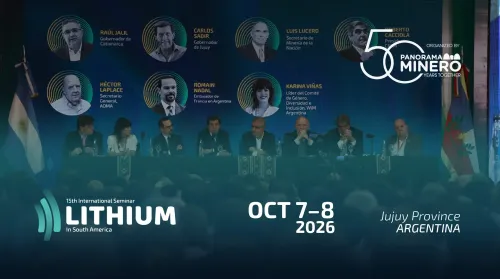
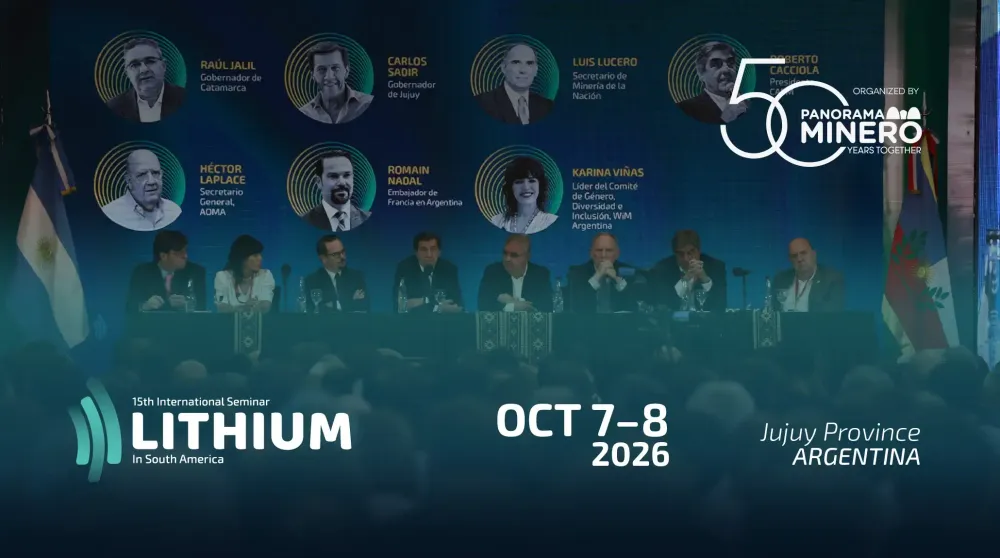
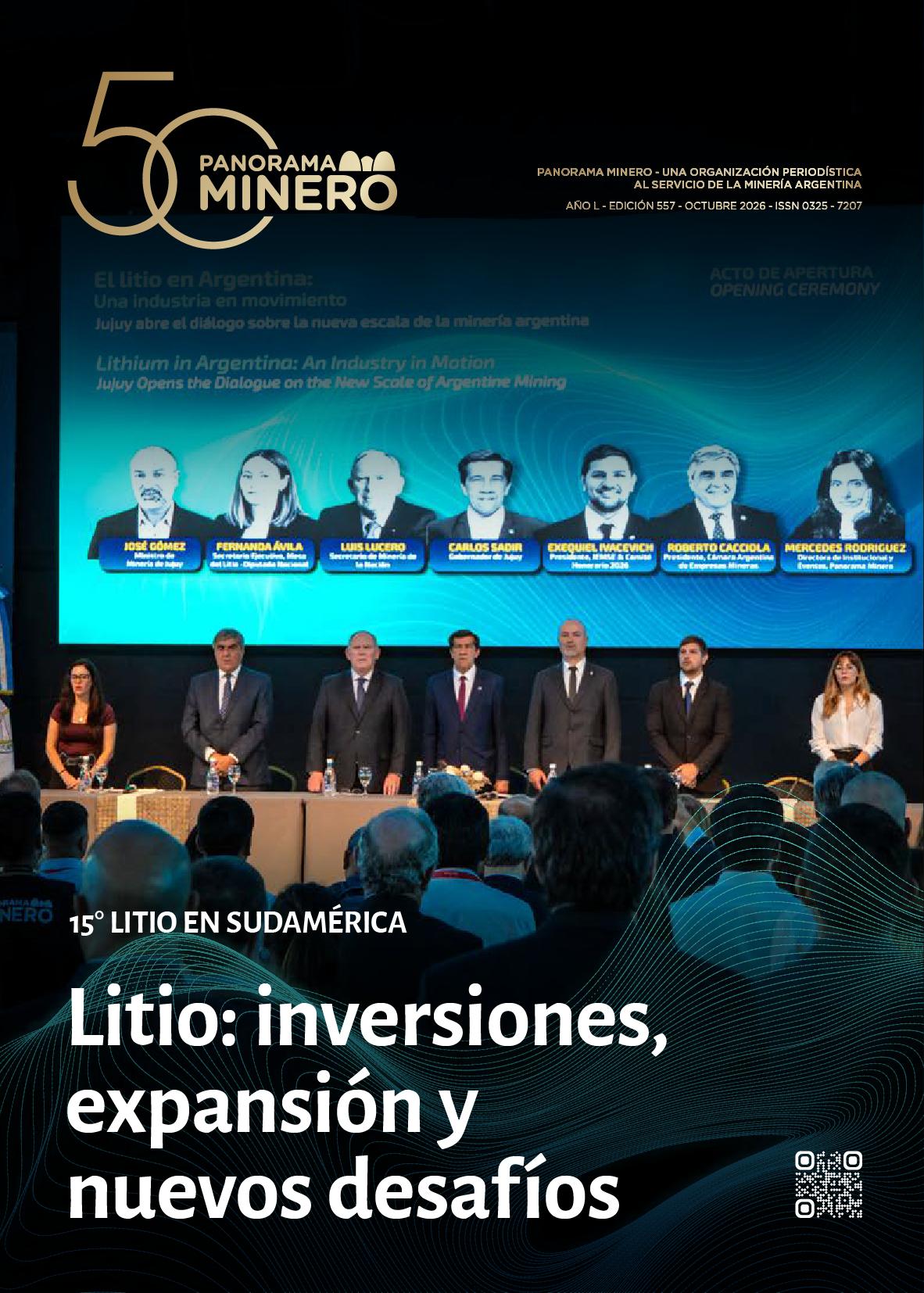
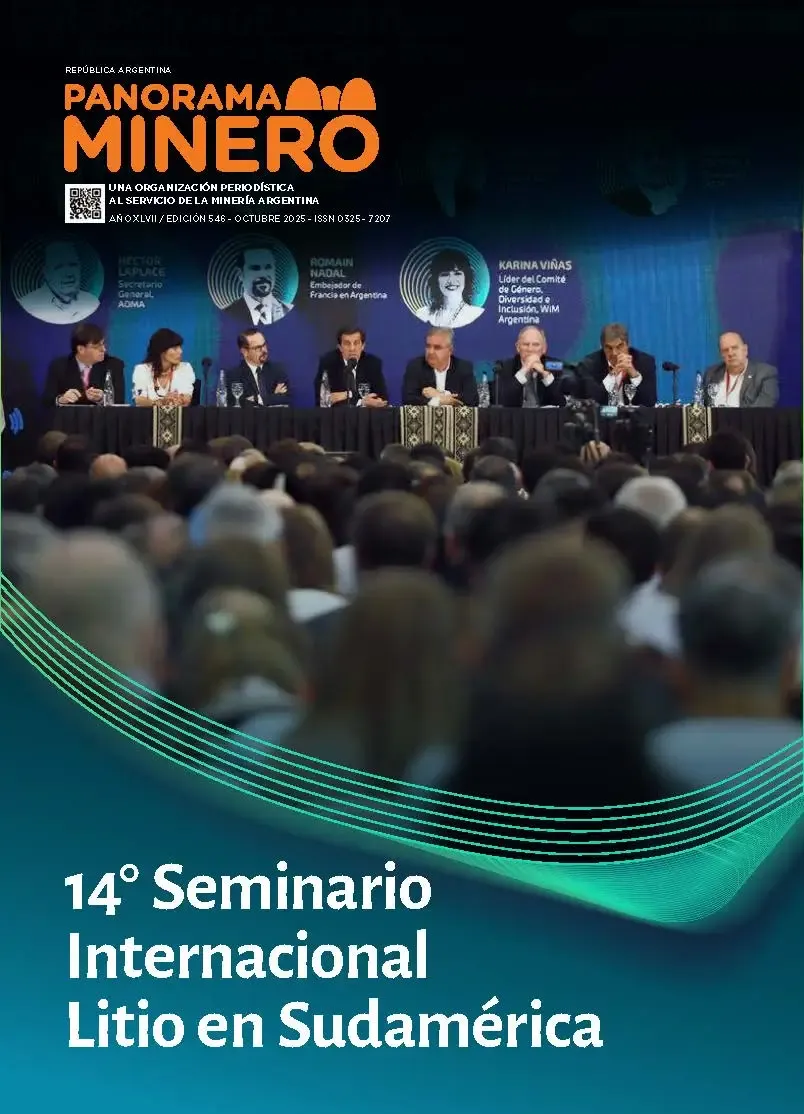
Just two days remain until Jujuy once again becomes one of the main gathering points for the international lithium industry. On Wednesday 7 and Thursday 8 October, Panorama Minero will hold the 15th edition of Lithium in South America, a conference that has tracked the sector's growth since 2011 and that this year will bring together representatives of the companies leading Argentine production, projects under development, governments, international organizations, analysts, scientists, suppliers and leaders from the main consumer markets.
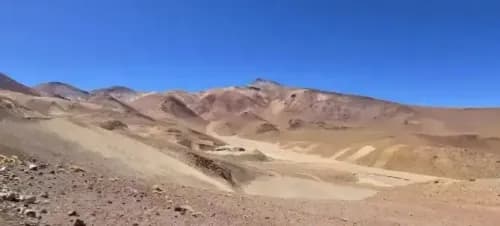
The company reported intersections at the Carmen target and new drilling results aimed at expanding the Yaxtché silver resource in the province of Salta.

A public-private training agreement was finalized. The profiling of 85 workers was carried out, and two-month training programs in mining, production and tourism will move forward.
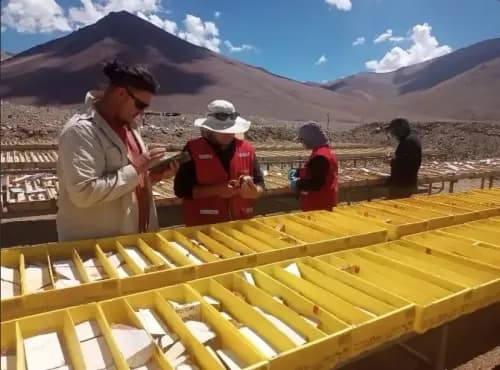
Aldebaran Resources announced the final results of the 2025-2026 campaign. The program will provide information for the resource update planned for 2026 and the Pre-Feasibility Study (PFS) scheduled for 2027.
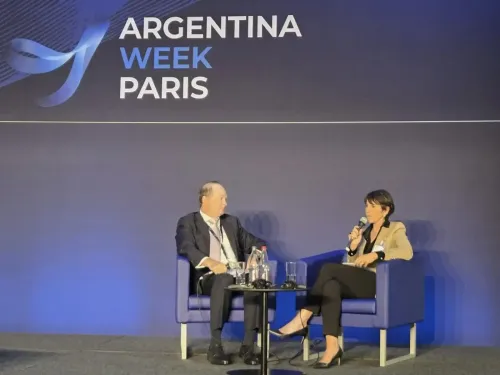
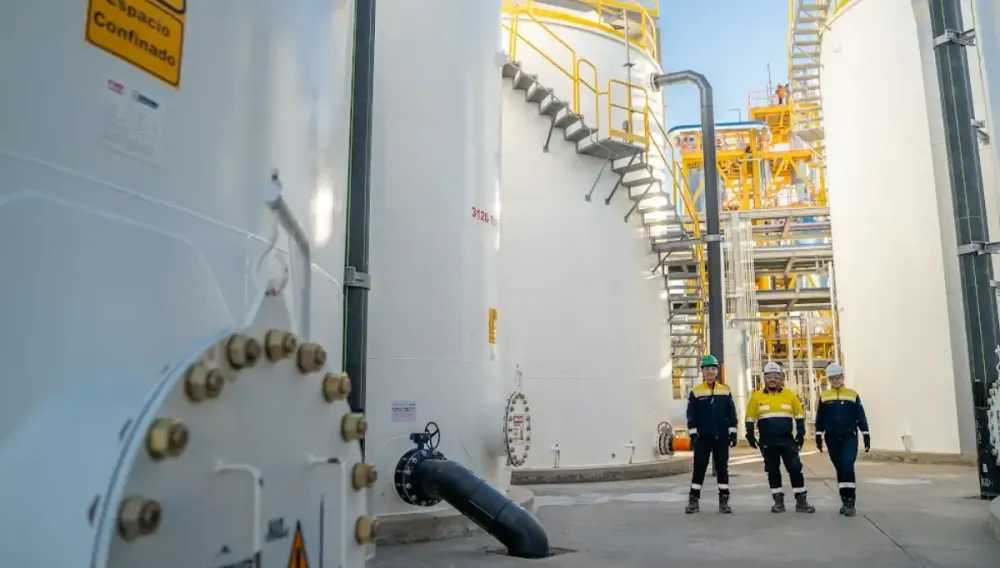
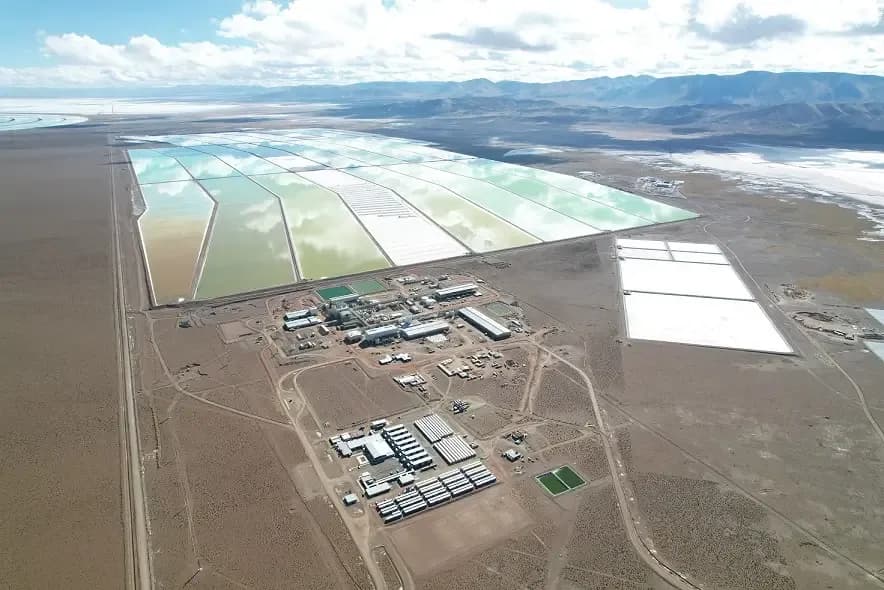
The French company plans to add 11,000 tonnes per year of lithium carbonate equivalent to its operation in Salta. The expansion would increase the plant’s nominal capacity to 35,000 tonnes.
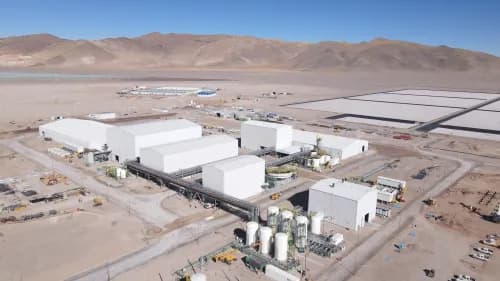
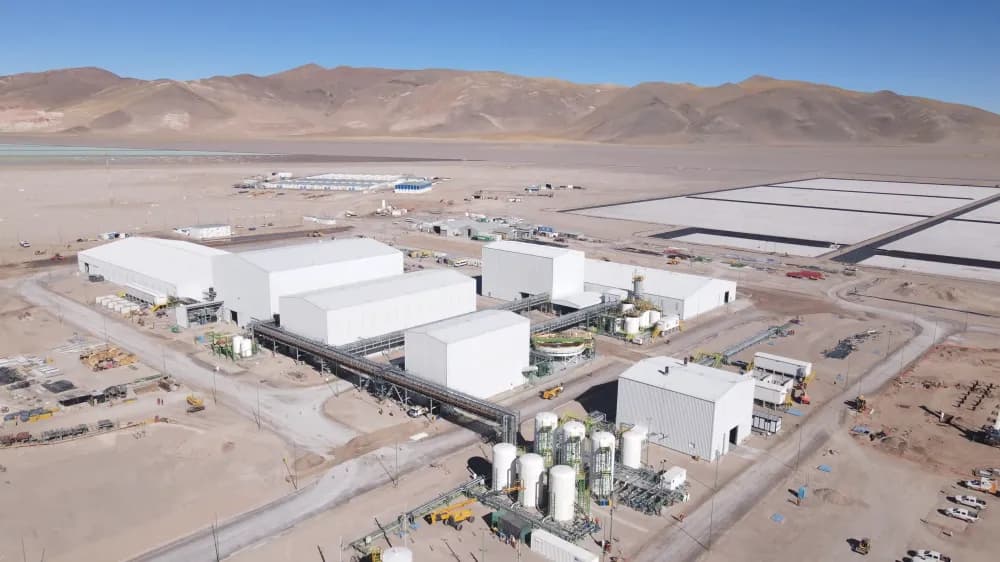
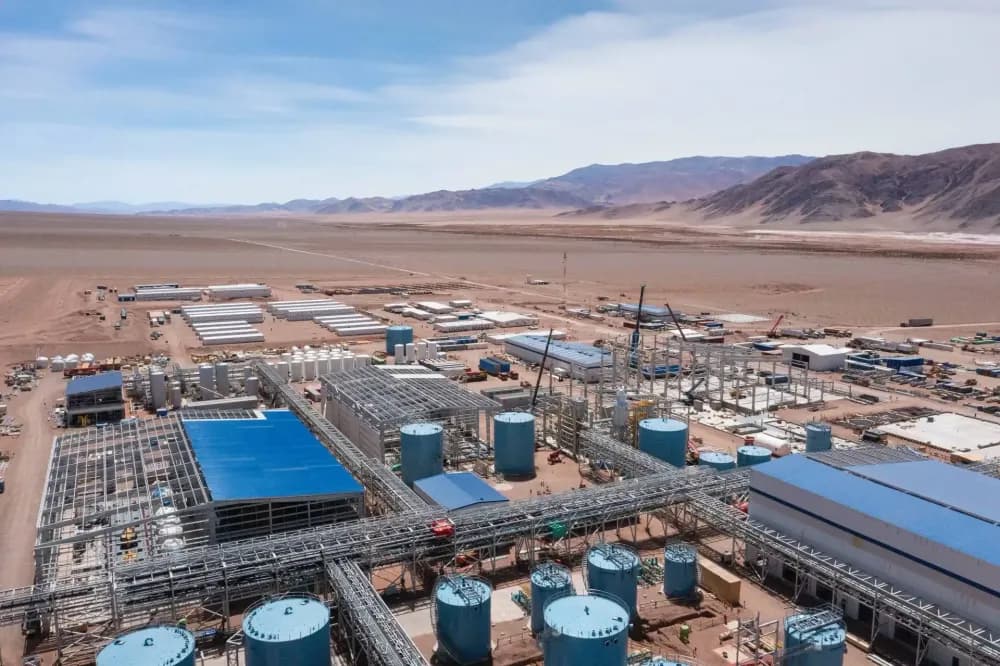
POSCO, Rio Tinto and Galan Lithium will inaugurate three plants and an expansion during October. The Provincial Government highlighted the “historic moment” for lithium.
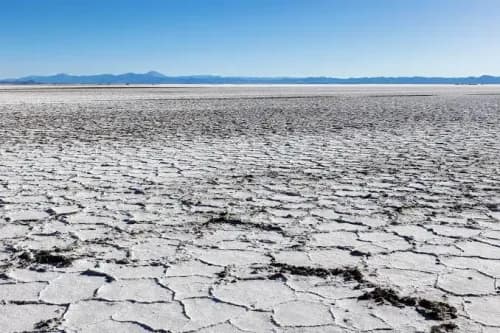
Global lithium reserves are sufficient for more than 125 years at 2025 extraction rates, but demand could exceed 3.5 million tonnes of LCE by 2035.
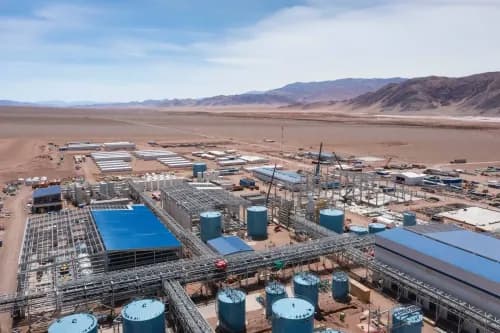
Argentina holds nearly 21% of the world’s lithium resources and around 12% of global reserves. With seven projects in operation, 16 advanced-stage developments and more than 40 projects in exploration, production could increase nearly fivefold by 2035. Output is projected to reach 573,000 tonnes of lithium carbonate equivalent over the next decade.
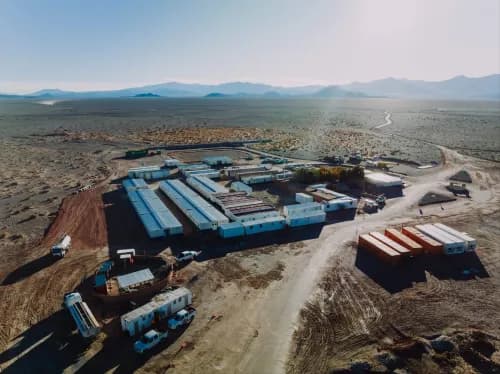
Lithium accounted for 15% of Argentina’s mining exports in 2025, at US$911 million, and is projected to exceed US$2.5 billion in 2026. INDEC’s Mining Industrial Production Index confirms the strong increase in lithium production and related products, with lithium carbonate output up 44.3% between January and July.
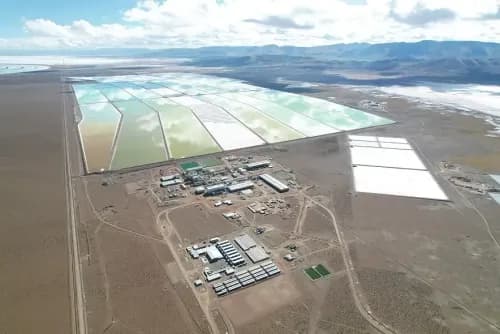
Lithium carbonate equivalent prices could average US$21,363 per tonne next year, in a market shaped by moderate supply growth and evolving demand from electric vehicles and battery energy storage systems.
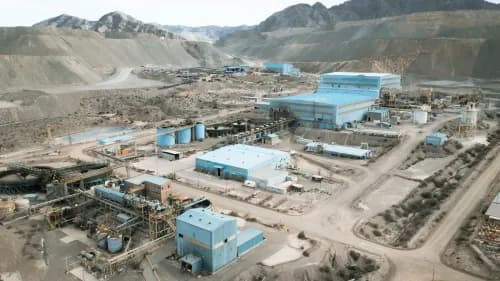
Inclusion in the regime provides predictability for the project, which expects a peak of 3,500 workers during construction, while the reactivation of Alumbrera moves forward.
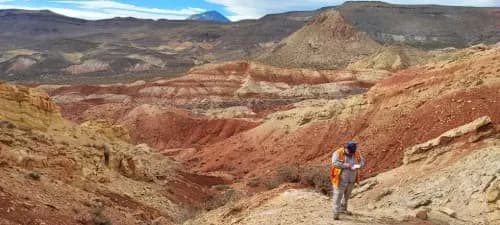
Cobre San Romeleo plans to process 40 tonnes of oxidized ore per day to supply the production of fungicides used in viticulture.