Historic snowfall in 2026, associated with the El Niño phenomenon, delayed the start of the exploration season in San Juan’s Andes. During the “Shared Stories” meeting, organised by the San Juan Mining Chamber, Juan Arrieta (Vicuña), Jennifer Betancourt (Altar) and Pedro Cuadra (Los Azules) outlined the operational difficulties and the priority of ensuring road safety before resuming drilling.
At Vicuña, activities were rescheduled for November and the target was reduced to 55,000 metres; Altar has yet to establish a start date for its 15,000-metre campaign, while Los Azules postponed high-altitude work until early 2027. By contrast, Ignacio Cuadra, of Gualcamayo, reported that the Minas Argentinas project had completed more than 20,000 of the 26,600 metres of drilling planned for 2026 at Deep Carbonates.
By Panorama Minero
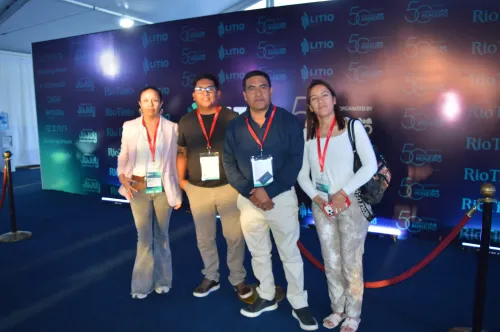
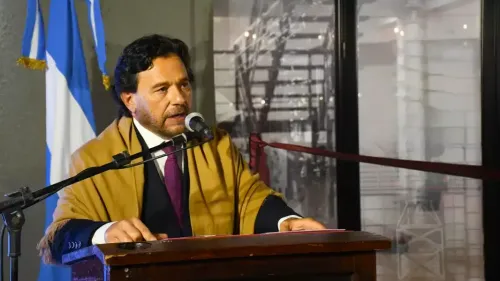
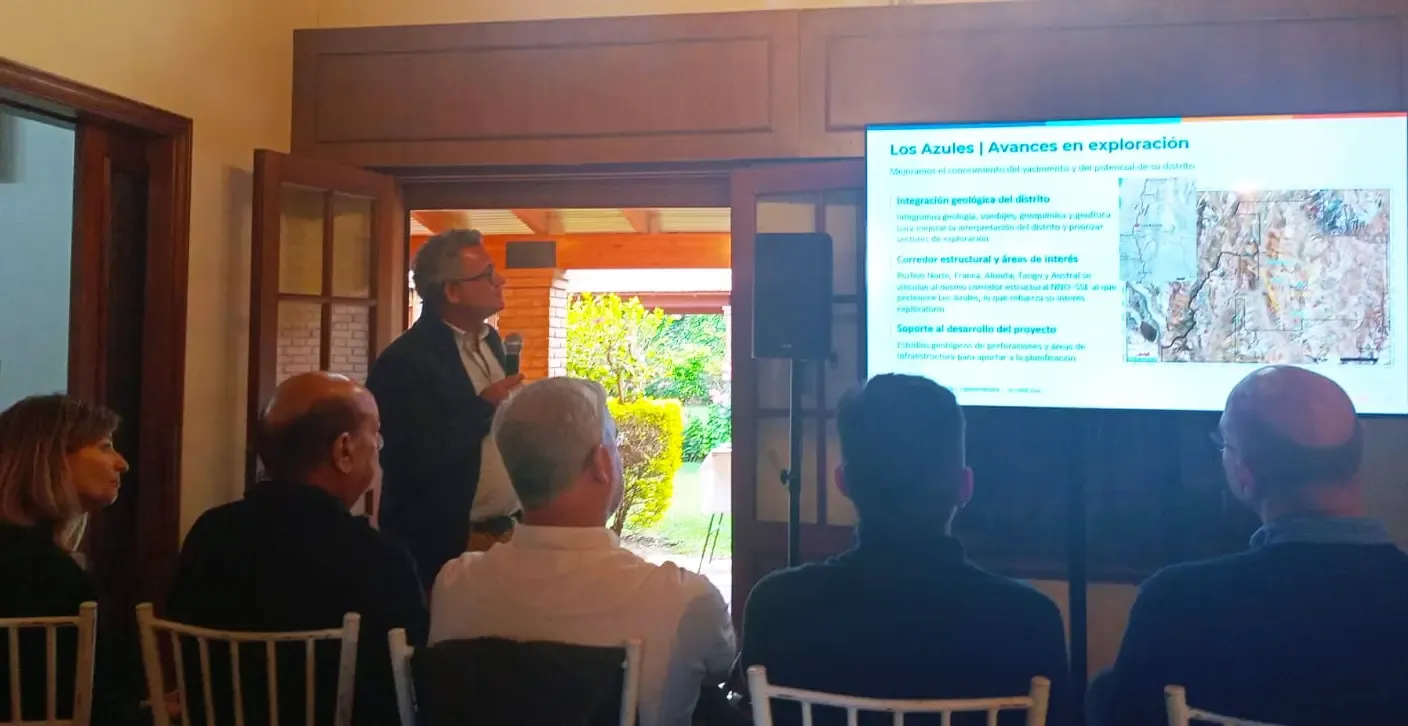
The El Niño weather phenomenon substantially altered the usual planning of mining exploration in San Juan, following snowfall levels not recorded for more than 20 years. These weather conditions were the central focus of the “Shared Stories” meeting, organised by the San Juan Mining Chamber at its new headquarters, where technical managers from the Vicuña, Altar, Los Azules and Gualcamayo projects reviewed the operational situation facing their projects at the start of the season.
The presentations revealed that high-altitude operations suffered significant delays due to snow accumulation, requiring extensive deployment of road-clearing machinery and the postponement of drilling campaigns. This was particularly evident at the Los Azules and Altar projects.
Vicuña: Rescheduling the Calendar and Adjusting Drilling Targets
In the Vicuña district — comprising the Josemaría and Filo del Sol areas — winter weather imposed extreme conditions, with temperatures reaching minus 25°C at the Batidero and Vicuña camps. Geologist and project exploration manager Juan Arrieta explained that the severity of the storm turned daily routines into a constant struggle against the snow, describing it as an unusual year after more than two decades of working in the region.
The technical specialist explained that, although the operational bases remained continuously occupied by approximately 200 people, drilling activities at the highest elevations — between 4,800 and 5,000 metres above sea level — had to be suspended in mid-July.
As a result, the company was forced to extend its Winter Plan until the end of October, whereas it normally concludes in September, postponing the reactivation of drilling rigs until November.
Arrieta also indicated that the projected target for this cycle had to be reduced to 55,000 metres of drilling using eight drilling rigs and 150 specialised workers, compared with the 65,000 metres completed during the previous campaign.
Altar: Road Safety as a Prerequisite for Setting a Start Date
Geologist Jennifer Betancourt, who leads operations at the Altar copper and gold deposit, located 3,600 metres above sea level in Calingasta, expressed a similarly cautious position. She noted that the traditional schedule had historically envisaged the start of field activities in October, but weather-related difficulties had altered those dates.
Betancourt emphasised that the fundamental priority before authorising any movement of workers or heavy machinery into the mountains is to verify the stability and safety of the access roads.
For this reason, the exploration manager stressed that the project still has no confirmed start date for its campaign, with authorisation dependent on the roads providing fully safe conditions for traffic.
Once the route has been cleared, the operator plans to mobilise equipment to carry out approximately 15,000 metres of drilling, focused on hydrogeological studies, geotechnical testing and exploration in the Altar South area.
Los Azules: Opening Access Roads and Reorganising Lower-Altitude Activities
The Los Azules project, also located in the Calingasta Andes, has likewise seen its usual operating arrangements transformed.
Geologist Pedro Cuadra, an exploration specialist at McEwen Copper’s project, explained that during periods of more favourable weather, crews would travel to the site between November and December and continue fieldwork until late autumn. However, the severity of this winter has caused the start of high-altitude activities to be postponed until early next year.
Cuadra specified that all current operational efforts are focused on clearing roads and verifying strict safety requirements to protect workers.
While access routes are being prepared, the company decided not to halt its work and arranged for approximately 30 members of its technical team — comprising 14 geology professionals and assistants, most of them women — to continue working at lower elevations.
There, they are carrying out detailed analyses of historical information, regional mapping and the application of artificial intelligence tools to refine exploration targets, confirming that the project is maintaining its drilling objectives while awaiting an assessment of ground conditions at higher elevations.
Gualcamayo: A Contrasting Situation in the Precordillera
The meeting also included the participation of Ignacio Cuadra, a representative of the Gualcamayo mine, operated by Minas Argentinas.
Unlike deposits located in the Frontal Cordillera and along the international border, the project situated in San Juan’s Precordillera experienced no interruptions or operational setbacks resulting from the snowstorm.
During his presentation, Cuadra outlined the company’s strategic plan focused on the Deep Carbonates deposit, which is maintaining a steady pace, with more than 20,000 metres already completed out of the 26,600 metres of drilling established as the target for 2026.
The presentations at the San Juan Mining Chamber thus demonstrated that the winter of 2026 tested the logistics and response capabilities of San Juan’s mining industry, where high-altitude snowfall delayed traditional start dates but prompted an operational restructuring based on workforce safety and the continuity of technical activities.