The technological platform, presented by Santiago Juárez, seeks to strengthen safety and efficiency in mining operations through artificial intelligence, geolocation and real-time monitoring. The tool aims to prevent incidents before they become accidents.
The Province, through the Ministry of Mining, has launched a working agenda with the international organization to strengthen information systems, oversight of mining activities and strategic planning through technical assistance.
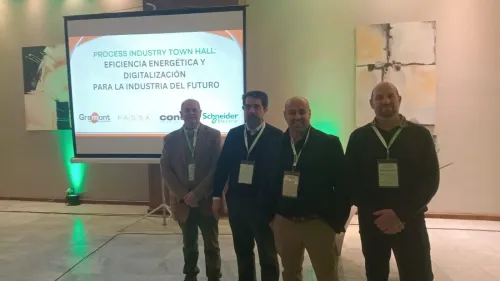
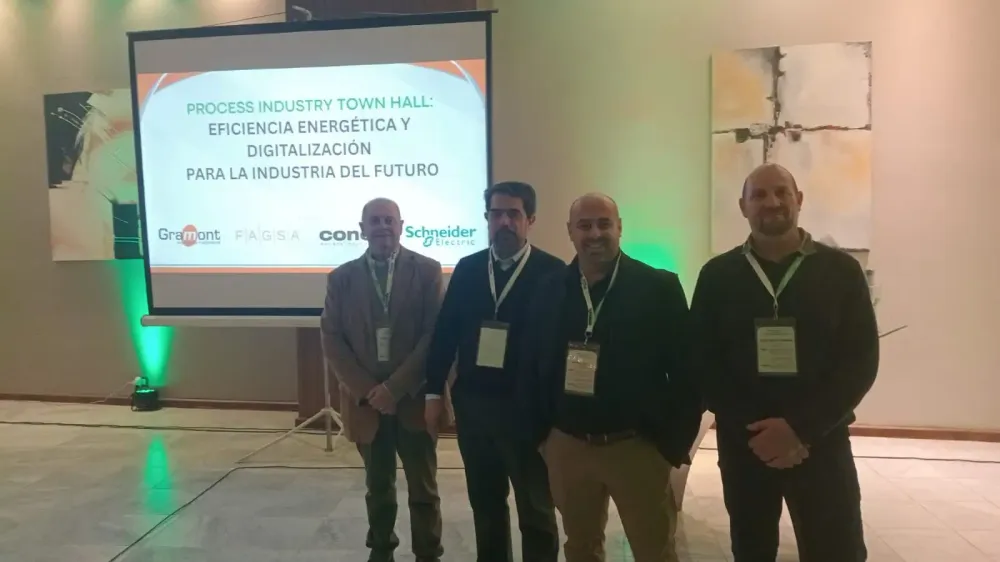
FAGSA and Gramont have formalized a strategic alliance, backed by Schneider Electric.
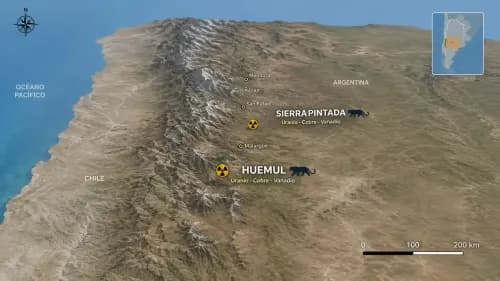
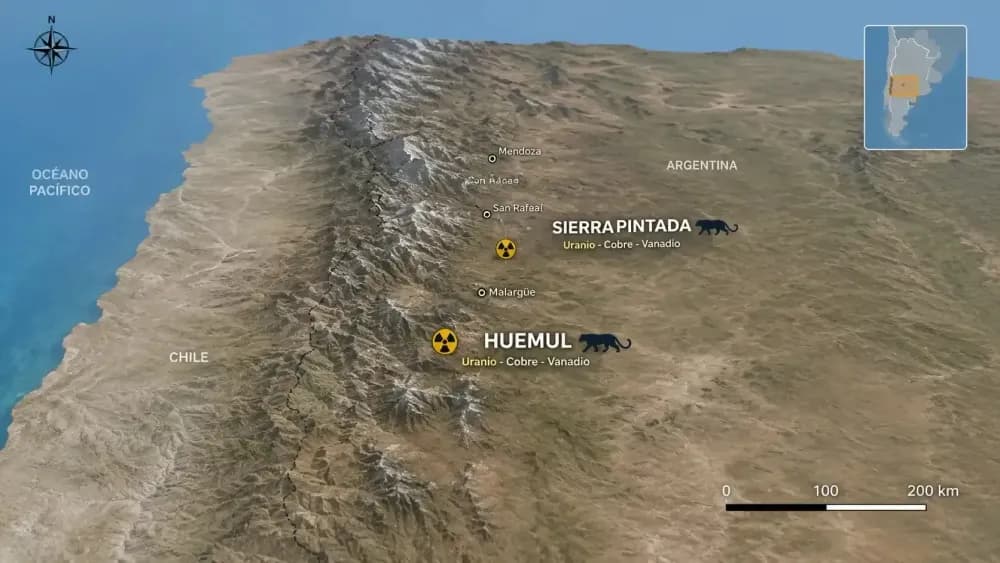
Jaguar Uranium reported the preliminary analyses from a 200-sample campaign carried out across eight areas of the project located in Malargüe.
UNSJ's IDIH is pursuing international certification of its processes to standardize water measurement under globally recognized quality standards.
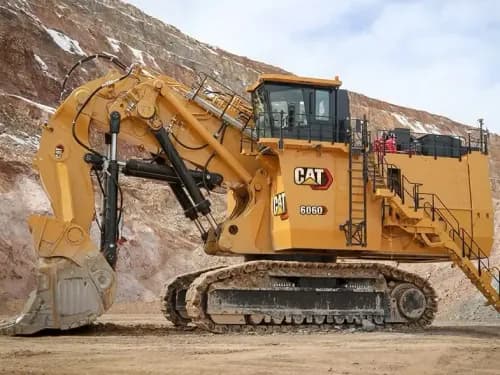
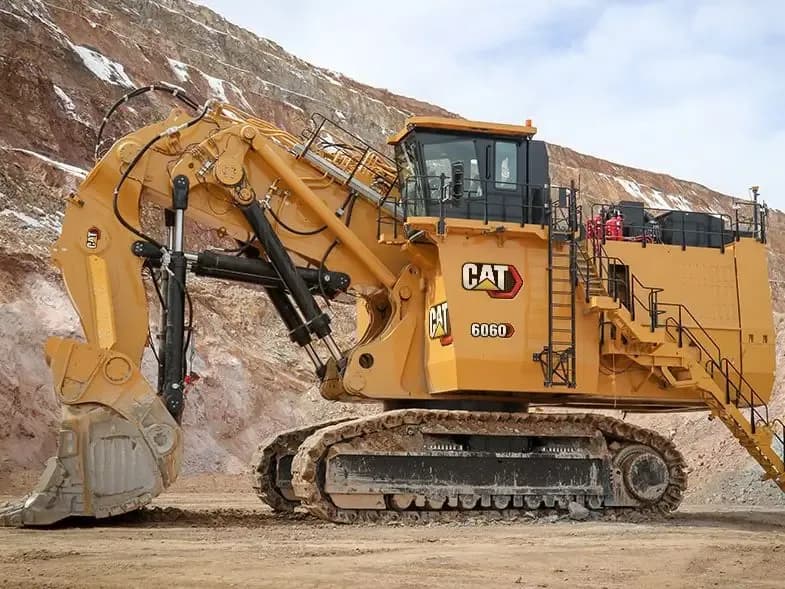
The contract includes the supply of mining equipment, integrated services and digital technologies for the project.
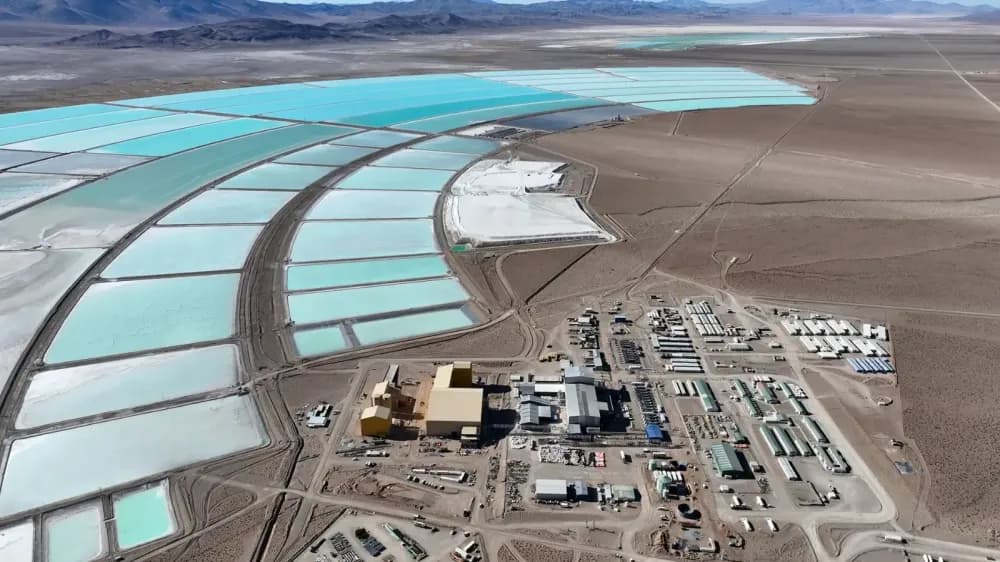
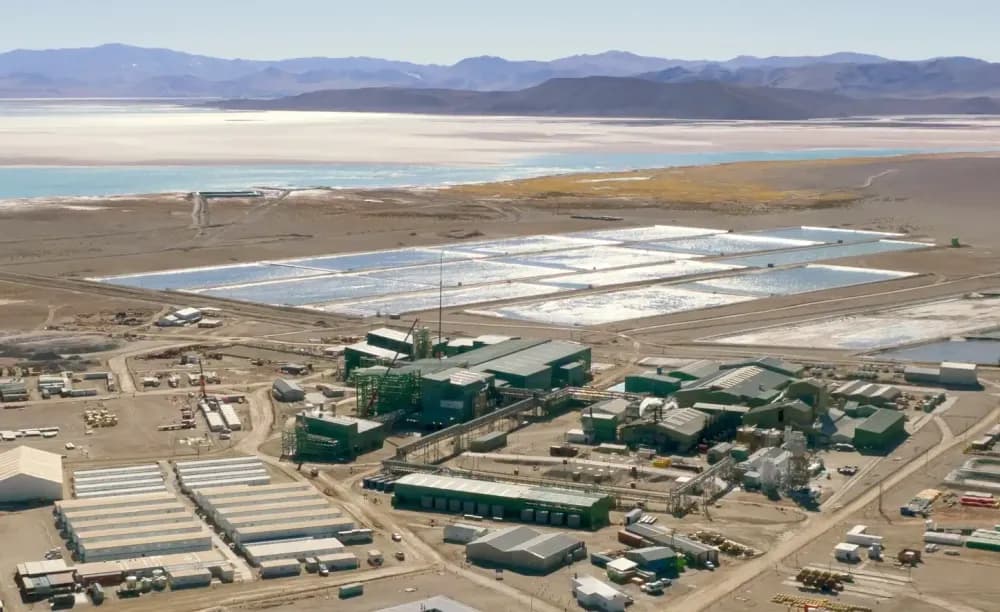
The rebound in prices marks merely the beginning of a deeper shift, in which infrastructure, technology and processing take center stage over the simple availability of the lithium resource.
Supply is projected to increase 3.5-fold. Argentina's lithium production is expected to grow by 254% by 2035, driven by new investments and the expansion of major projects.