One of the founders of an association created by Kolla Indigenous entrepreneurs to supply Argentina’s mining industry discusses how the role of local businesses in the Puna has evolved alongside the expansion of mining and points to a new stage for the sector: higher operating standards, domestic cost pressures and the need to compete for contracts with suppliers from other regions and abroad.
By Panorama Minero
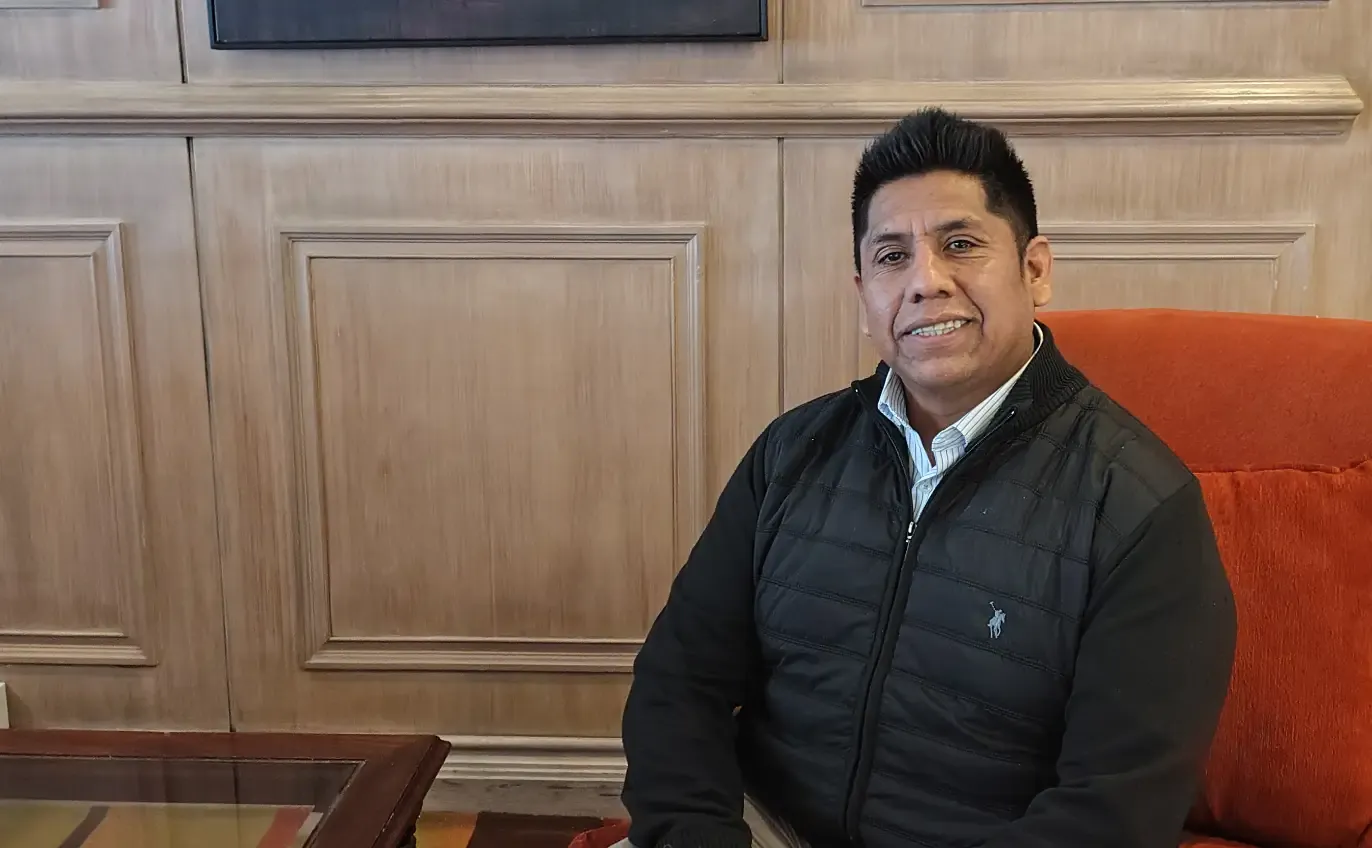
The expansion of mining across northern Argentina has opened a new market for businesses in the Puna, the high-altitude region spanning parts of the country’s northwest, where local companies had limited participation in the mining value chain little more than a decade ago. For Luis Vacazur, an entrepreneur and one of the founders of the Chamber of Mining and Tourism Service Providers of the Argentine Puna (CAPROSEMITP), the initial challenge of bringing local businesses into the industry has given way to another: ensuring they can sustain and expand their participation as mining becomes increasingly demanding.
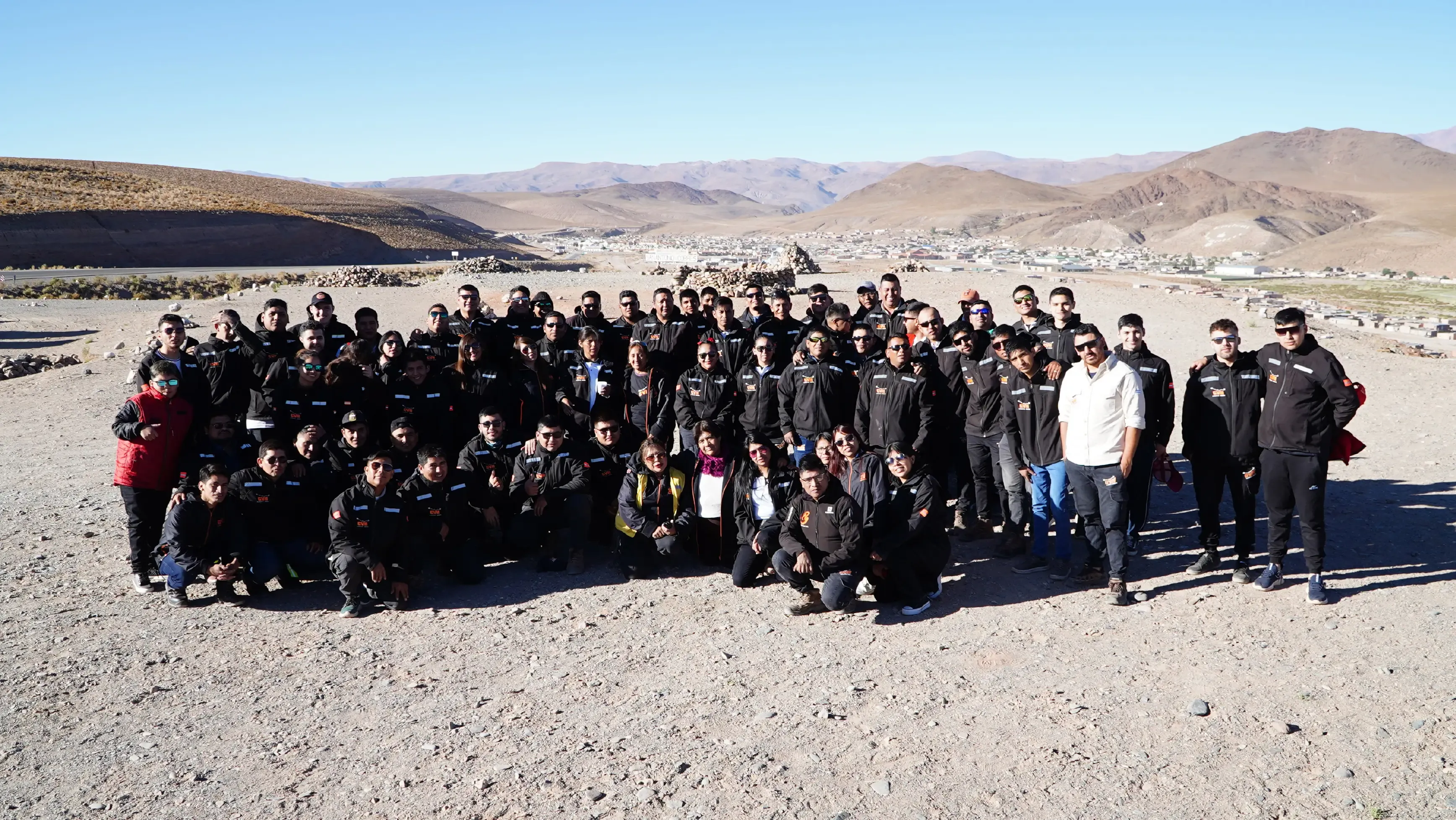
CAPROSEMITP was formally established in 2015 in San Antonio de los Cobres, a town in the Puna region of Salta province, by Kolla Indigenous entrepreneurs seeking to develop local companies capable of supplying the mining industry. Its creation coincided with advancing mining projects and growing demand for services in the region. Today, the association represents more than 60 companies, while GVH, the company developed by Vacazur, employs around 100 people.
Speaking with Panorama Minero, Vacazur reflected on that process in a region that had limited employment opportunities and significant migration to larger cities during the 1990s. His assessment also focuses on the challenges suppliers face today: mining investment alone does not guarantee contracts for local companies, which must meet technical standards while contending with Argentina’s cost structure, tax burden and growing capital requirements.
When you first began organizing local suppliers, the question was not how much mining companies could source locally, but whether businesses in the Puna had the capabilities required to enter the mining value chain. How did that first transition take place?
We looked at how Chile, Australia, Canada and other mining countries operated and asked ourselves, “Why not us?”
At the time, we did not have the technical capabilities to provide services to mining companies. We would see their vehicles passing through the region and realized that we needed to find the tools to develop those capabilities ourselves.
That is how we created CAPROSEMITP, which was formally established in 2015 in San Antonio de los Cobres. At that stage, we needed to build the capabilities required to participate in a growing industry.
A decade later, the landscape is very different: there are more projects, more investment and more companies seeking to supply the mining industry. Does a larger market necessarily translate into greater opportunities for local suppliers?
The reality is that everyone wants to become a mining supplier. You hear about investments worth millions of dollars and everyone wants to participate, but not everyone can.
Mining companies have technical requirements and standards that suppliers must meet. We started from a position where we did not have those capabilities, so we had to build them.
Today, some suppliers have managed to grow and others have not. The opportunity exists, but companies need to be prepared to take advantage of it.
CAPROSEMITP now represents more than 60 companies, while GVH employs around 100 people. What capabilities had to be developed for small local businesses to become companies capable of servicing mining operations?
It was an institutional effort. We understood that we needed tools to generate jobs, education and services related to the needs of the mining industry.
That also led us to work on broader issues, including provincial legislation designed to encourage mining companies to hire workers and suppliers from communities near their operations, as well as efforts to bring banking services to towns in the Puna. The idea was to enable communities near mining projects to participate in the economic activity being generated.
I am no longer a member of the Chamber’s board. We made room for other people to continue that work, but the objectives remain the same.
Mining growth has also raised the requirements that contractors must meet. How have professional standards, technology and operating requirements changed for a supplier seeking to work with a mining company today?
Mining has changed significantly. In the past, many activities relied much more heavily on physical labor. Today, there is greater use of technology, more oversight, and higher safety, health and environmental standards.
Women’s participation in the industry has also increased, and new tools have emerged, including artificial intelligence. All of this requires suppliers to train and adapt.
With the development of the lithium industry, we sought training and supplier-development programs specifically to help companies respond to these new requirements.
There are growing expectations that mining investment should create broader economic opportunities in the regions where projects operate. From a supplier’s perspective, what separates companies that want to participate in the mining value chain from those that are actually equipped to compete for contracts?
This is not easy. It requires seriousness, commitment and discipline because there are standards that have to be met.
Everyone wants to participate, but not everyone can. Mining sets a very high professional bar. Building a business takes time, and companies need to acquire the knowledge and capabilities required to reach their objectives.
I can share how we worked, the mistakes we made and the things we did well. But every company has to build its own capabilities.
While there are calls for greater participation by Argentine suppliers, mining companies also need competitive costs and services that meet international standards. What are the main disadvantages facing local companies when competing for those contracts?
We need investment and clear rules, but we also need to discuss the conditions under which Argentine suppliers are competing.
The tax burden and the cost of purchasing equipment and other inputs, which are often more expensive in Argentina than in other countries, make it difficult to compete. That is one of our main concerns.
We have channels for dialogue where these issues can be discussed. We need to make sure Argentine suppliers can continue participating in the industry rather than seeing an increasing share of goods and services sourced from abroad.
Salta has introduced legislation that gives priority to workers and suppliers from communities near mining projects. How far can local procurement policies go, and how much ultimately depends on the competitiveness of the companies themselves?
Dialogue has always been our approach. During the years I served first as president and later as vice president of the Chamber, we never resorted to blocking roads as a form of protest.
I always say that if a company is bringing investment and creating jobs and business opportunities in my community, why would I block the road?
In Salta, provincial legislation gives priority to local workers and service providers, particularly those based in communities near mining projects.
Some companies were unable to develop, while others have grown. Salta began producing lithium later than the neighboring provinces of Jujuy and Catamarca, but over these years a significant supplier base has developed around the industry.
The Puna you describe in the 1990s offered few employment alternatives, and many residents migrated to larger urban centers. Beyond direct employment at mine sites, what tangible changes do you see today in the economies of those communities?
In the 1990s, there were very few employment opportunities. People raised goats and llamas, there was some tourism, and many residents migrated to larger cities.
Today, there is more economic activity and there are opportunities linked to mining. Services and institutions that did not previously exist in these communities have also arrived.
I am not saying that every problem has been solved, but there are opportunities for development that did not exist before.
The challenge no longer appears to be simply creating a local supplier base, but ensuring that those companies can survive and scale up. In a volatile economy, with mining projects demanding greater financial and technical capacity, what will determine which suppliers can remain competitive over the coming years?
Argentina is very volatile economically, and suppliers have also gone through difficult periods. Companies need to understand those changes and adapt.
The challenge is to ensure that incoming mining investment generates business opportunities for Argentine companies, and that those companies have the conditions they need to compete.
After a decade of developing a local mining supplier base in the Puna, what lessons should a new generation of entrepreneurs who now see mining as a business opportunity keep in mind?
Don’t skip steps. There are high expectations and people often want results quickly, but building any business takes time.
You need to train, understand the industry’s standards and build a company capable of meeting its requirements. Ultimately, we set our own limits and determine how far we can go.