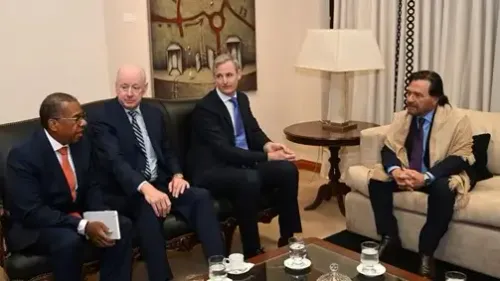
Taca Taca Moves Towards Environmental Public Hearing and Plans to Apply for RIGI Before Year-End
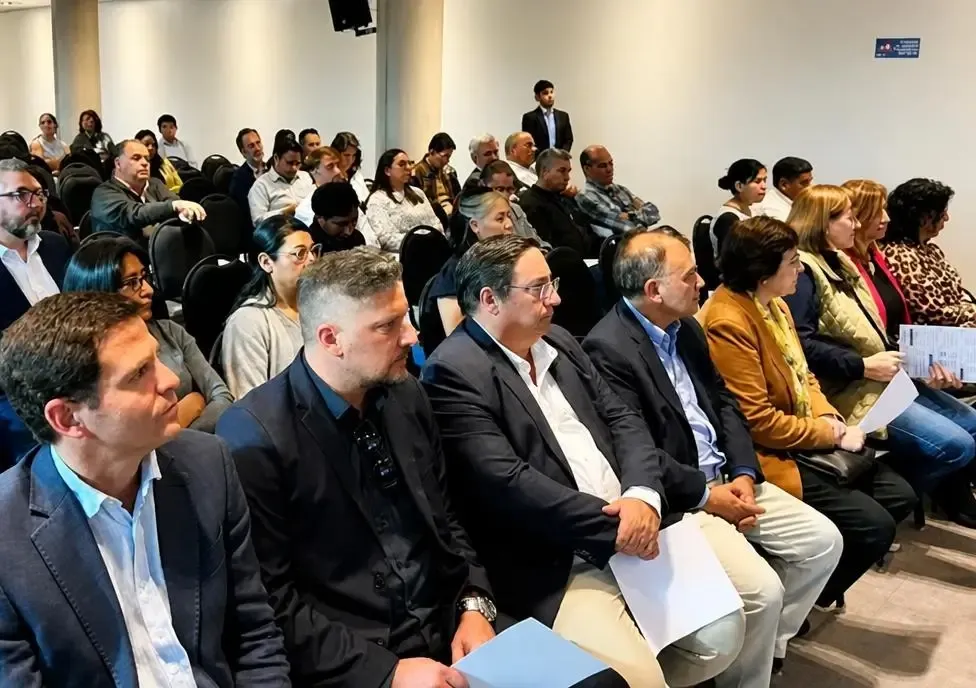
The public hearing on the Environmental Impact Report is scheduled for 12 November in Tolar Grande.


The public hearing on the Environmental Impact Report is scheduled for 12 November in Tolar Grande.
According to national data for July, mining employment reached 3,271 direct workers, while construction returned to growth.
The fifth national report will include information on employment, wages and suppliers associated with mining projects that have not yet entered production.
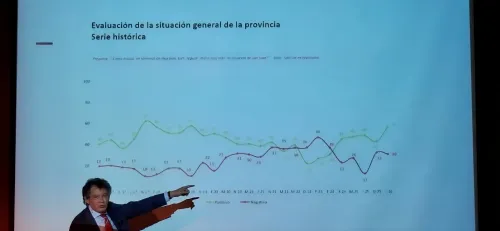
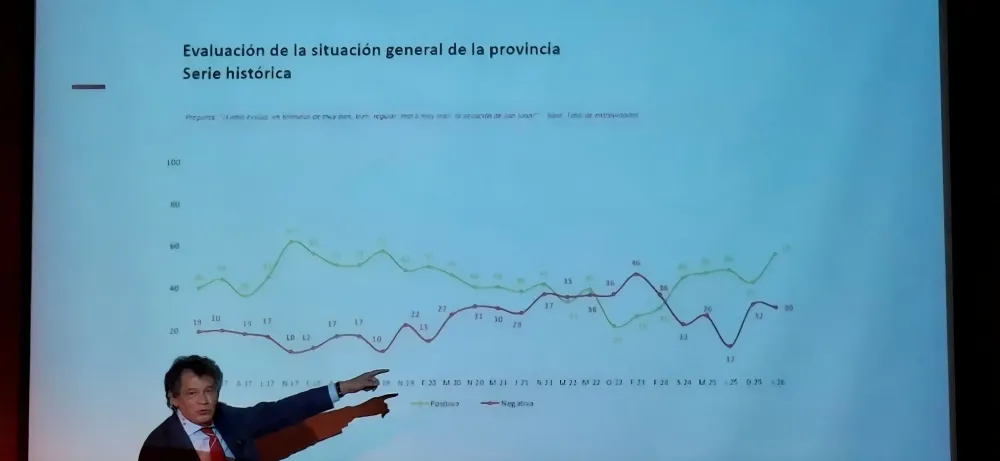
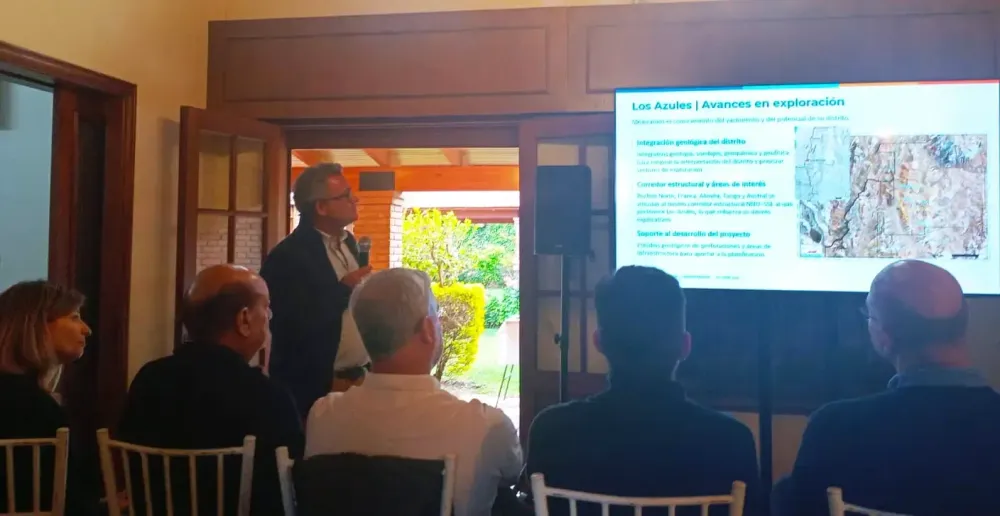
Organised jointly with CAME in San Juan, the CAPRIMSA 2026 Annual Meeting examined the future of the copper industry. Representatives from Poliarquía Consultores, Los Azules and Aldebaran Resources discussed expectation management, actual project development timelines, the challenges of developing local suppliers and the need for strategic partnerships.
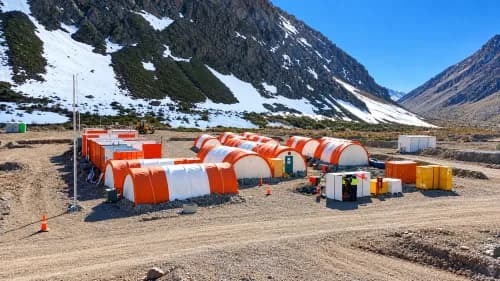
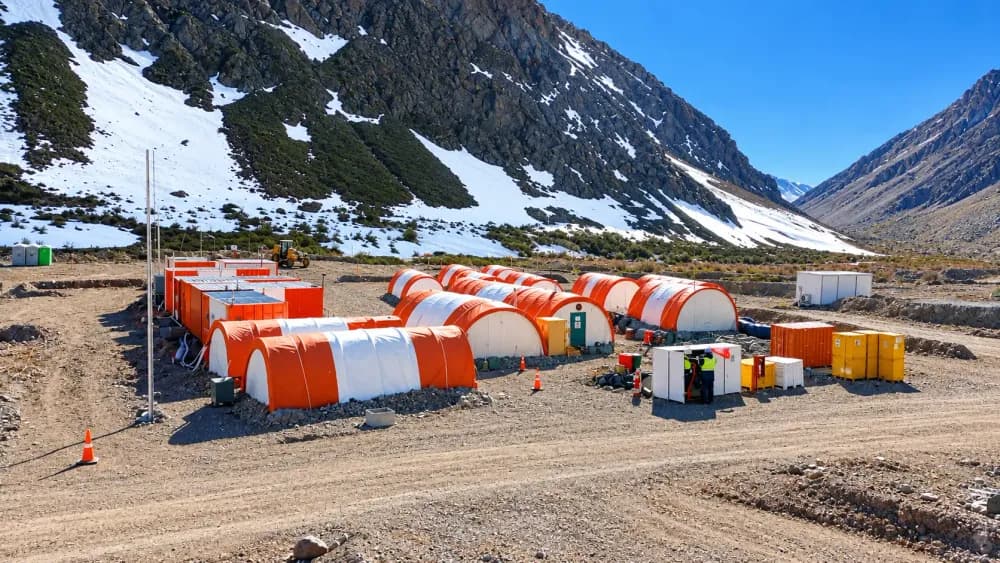
The camp resumed operations following the precautionary demobilisation in July. Work includes improvements to the access road and construction along a new road alignment.
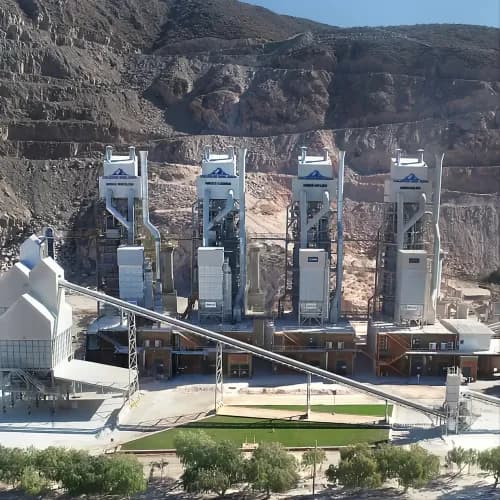
The company completed its 2016–2026 investment programme and highlighted the need to develop Route 153 and expand gas pipeline infrastructure.

The new CEO will lead PSJ’s transition from environmental assessment towards defining the development and execution strategy for the copper project in Uspallata.




Subscribe to our newsletter for exclusive news, insights, and updates on the mining industry and Panorama Minero's latest initiatives.
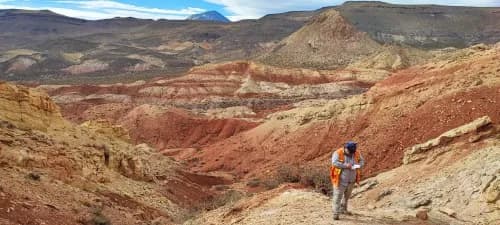
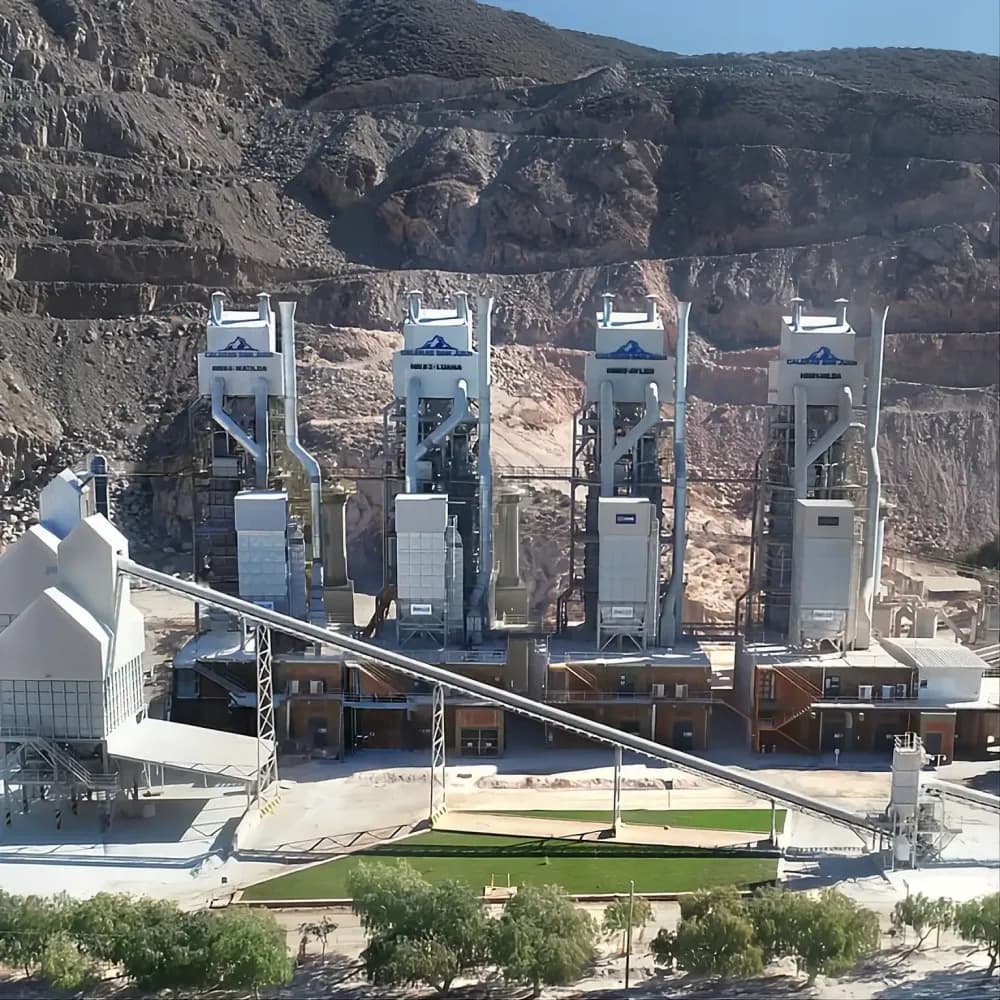
The Cobre San Romeleo project will produce copper oxide as a raw material for agricultural fungicides, primarily intended for the wine industry.
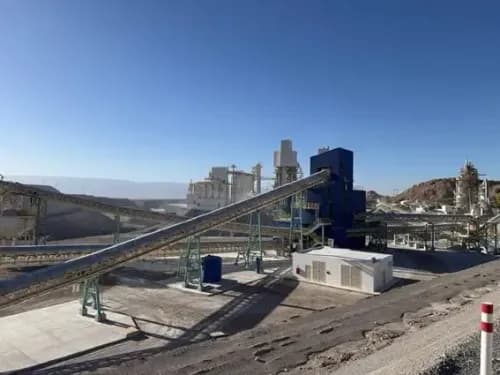
The company outlined technological improvements, changes in fuel consumption and CO₂ capture projects as part of World Energy Saving Day.

Lucía Samper Dumandzic and Ivo Ante Dumandzic joined UNAJE’s Argentine delegation and established contacts with representatives from Germany, China and India.
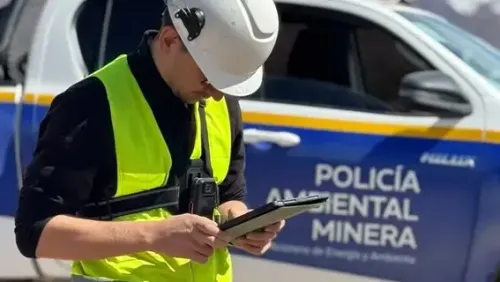
The 2023–2027 budget series shows a dedicated mining structure, comprising a regulatory authority and a state-owned promotion company financed through its own capital.
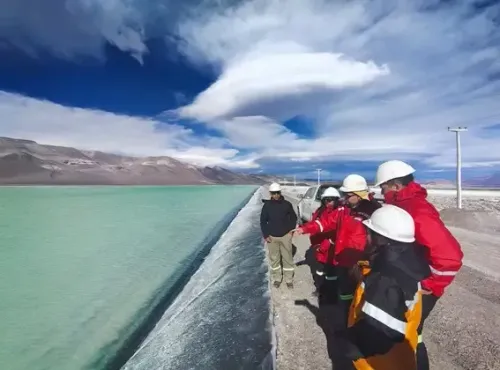
Driven by lithium and salt production, according to the latest INDEC data for August 2026. The cumulative increase reached 7.9% year-on-year, following the 3.9% recorded in July.
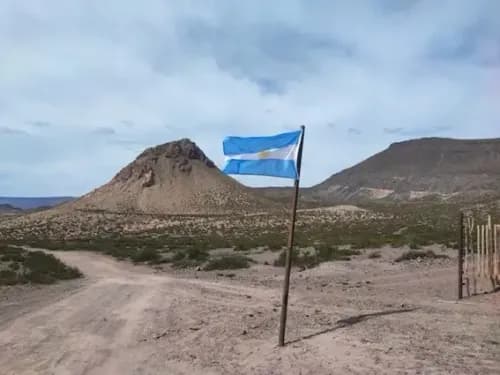
The project plans to produce copper oxide and, in a second stage, copper sulphate for the wine industry.




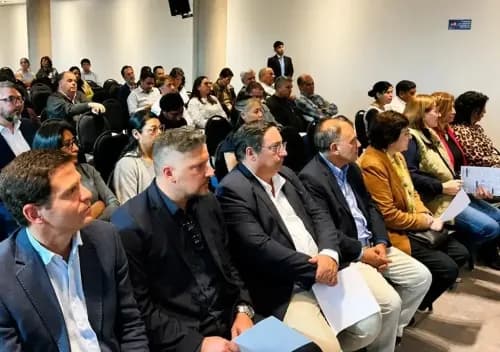
The event brought together representatives of the government, companies and universities to discuss progress on the initiative and the preparation of the Fifth Report.
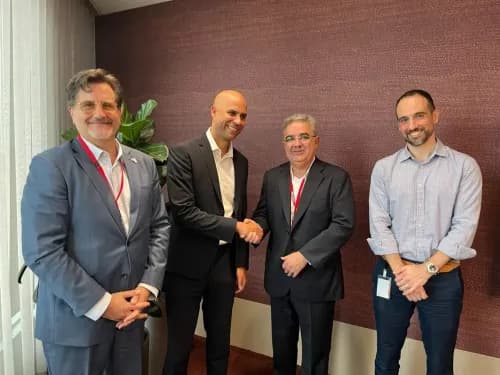
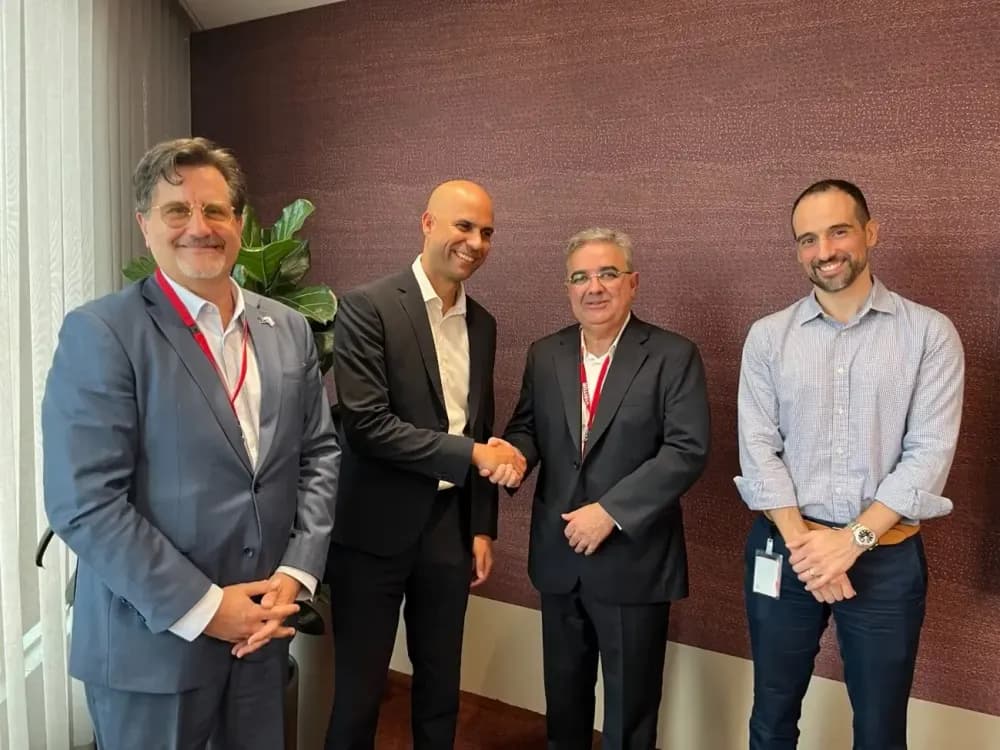
Governor Raúl Jalil held meetings with mining companies, legislators and academic institutions in Brisbane. The agenda included investment opportunities in copper and lithium, progress on projects in the province and technical training agreements, with a Catamarca delegation scheduled to attend the IMARC conference in Sydney.
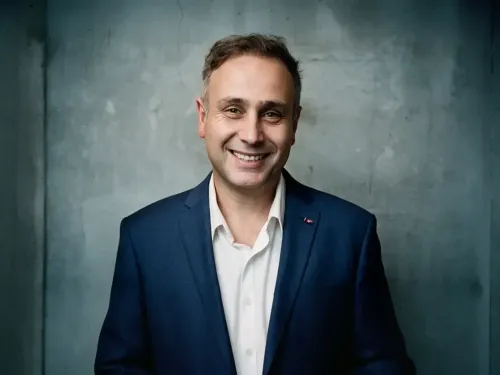
The Mendoza-born executive joins from large-scale mining operations in Australia to lead the project through its pre-construction stage.
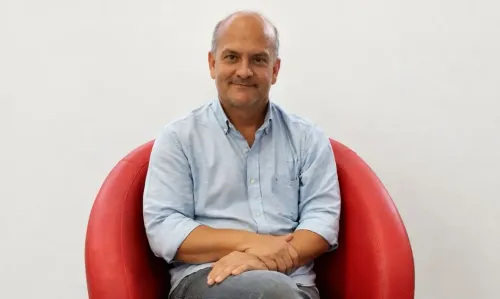
Waldino Acosta Zapata, President of QLABS S.A. and a member of CAPERFO, discussed exploration prospects, SME partnerships and supplier competitiveness.

The 2nd Federal Logistics Summit, organised by the CFI in Buenos Aires, brought together government officials and business leaders for panel discussions on mining, agribusiness and hydrocarbons.
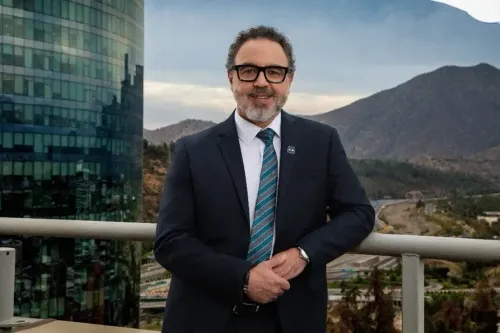
Juan Quispe, President of FLS South America, examines Argentina’s copper prospects, the role of mining suppliers and the growing use of advanced analytics.




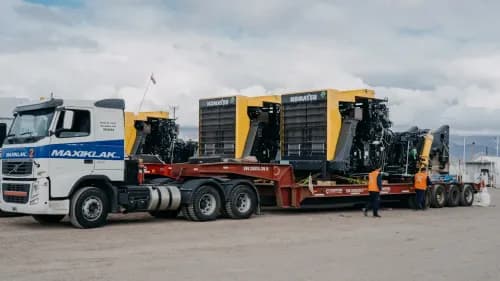
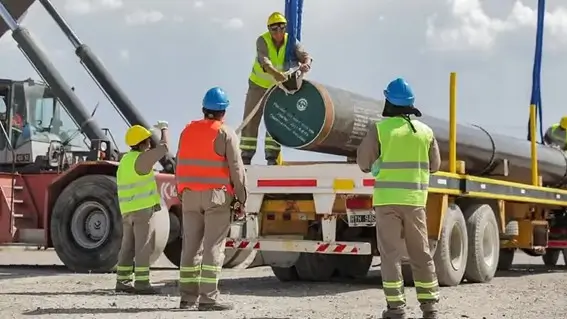
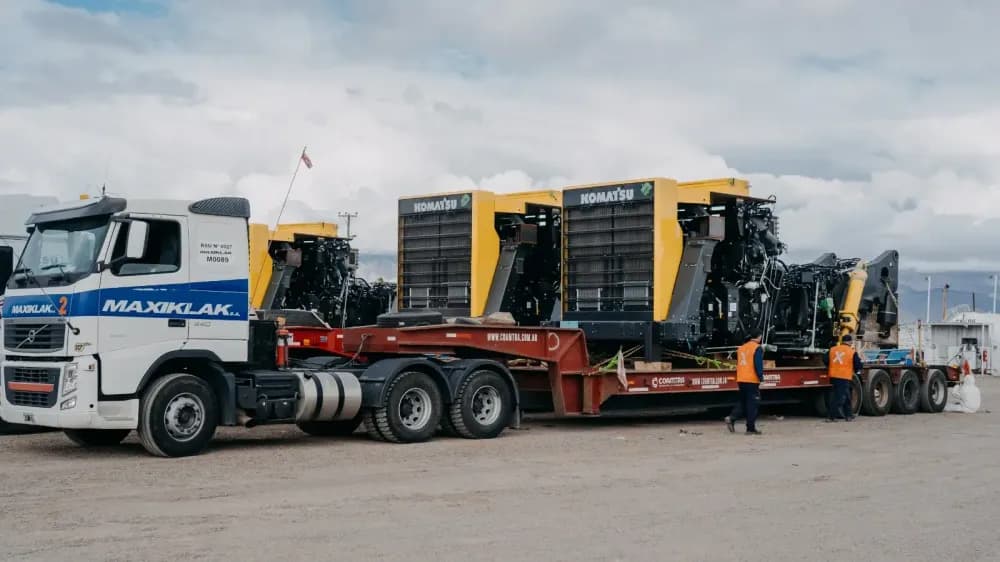
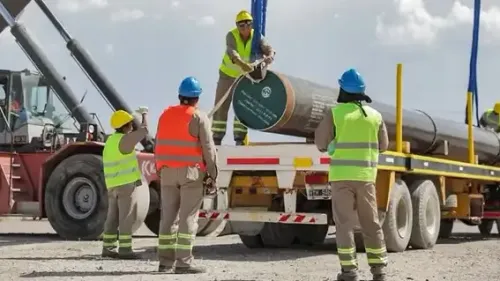
The transport of the first Komatsu HD1500 haul trucks, with a payload capacity of 142 tonnes, has begun. Deliveries will continue until April 2027.
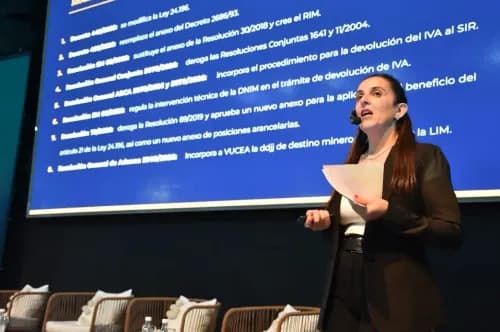
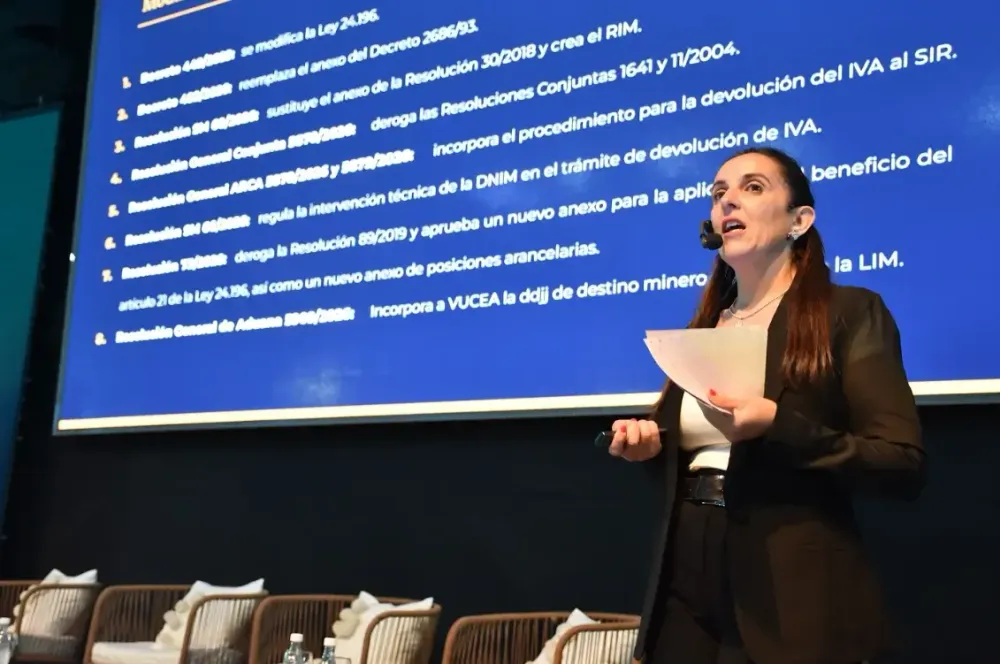
The Secretariat of Mining is moving forward with a comprehensive reform of the mining investment regime: digitalization, ex post controls, imports without certificates, regional integration within 500 kilometres and new rules for suppliers. María Eugenia Bais explained how the new system will work.
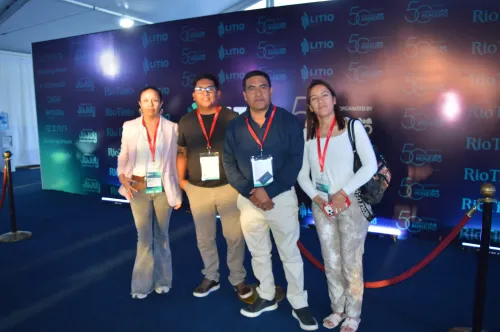
At the 15th Edition of the Lithium in South America Seminar, mining suppliers sought to establish partnerships to strengthen their participation in the sector’s development.
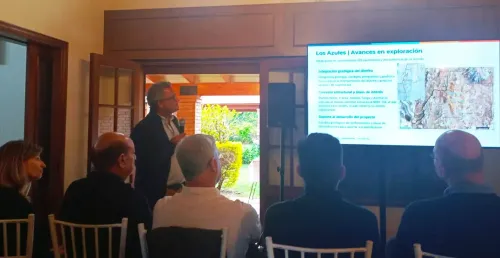
Exploration leaders from the province’s main mining projects met at the San Juan Mining Chamber and explained how heavy snowfall forced them to reschedule their operations and prioritise road safety in the high mountains.
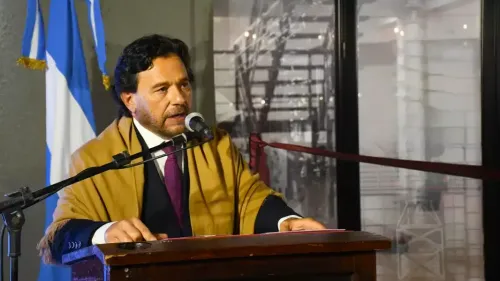
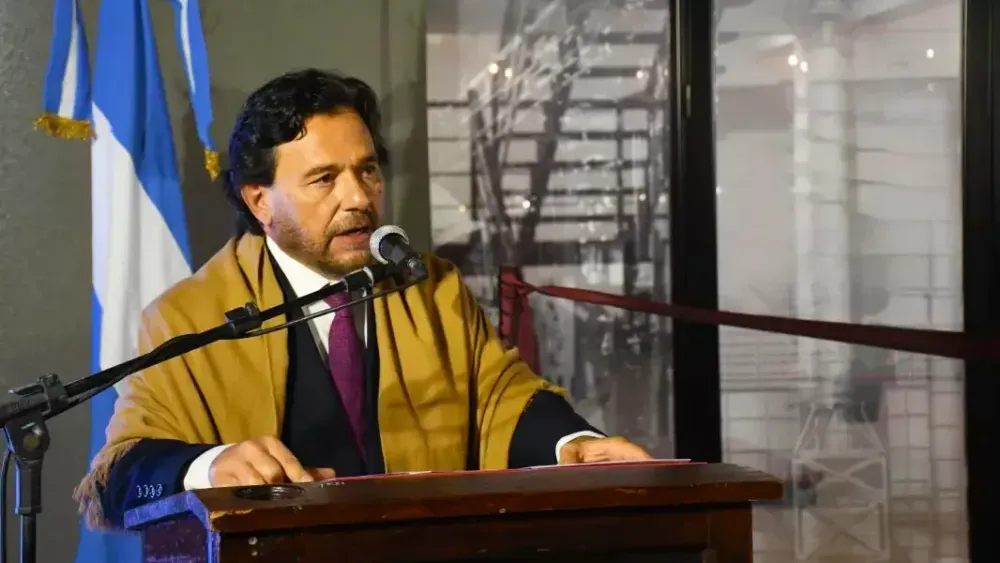
The Governor of Salta called on the national government to ensure that the restoration of railway connections with Chile and Bolivia is not left to the discretion of the future concessionaire. He warned of the additional logistics costs faced by production in northern Argentina and their impact on mining competitiveness.
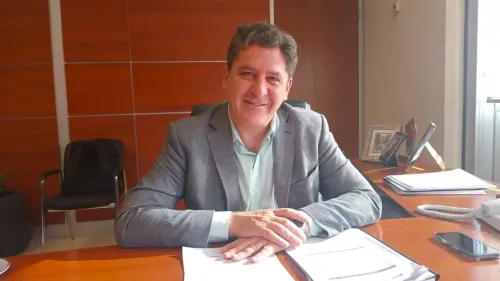
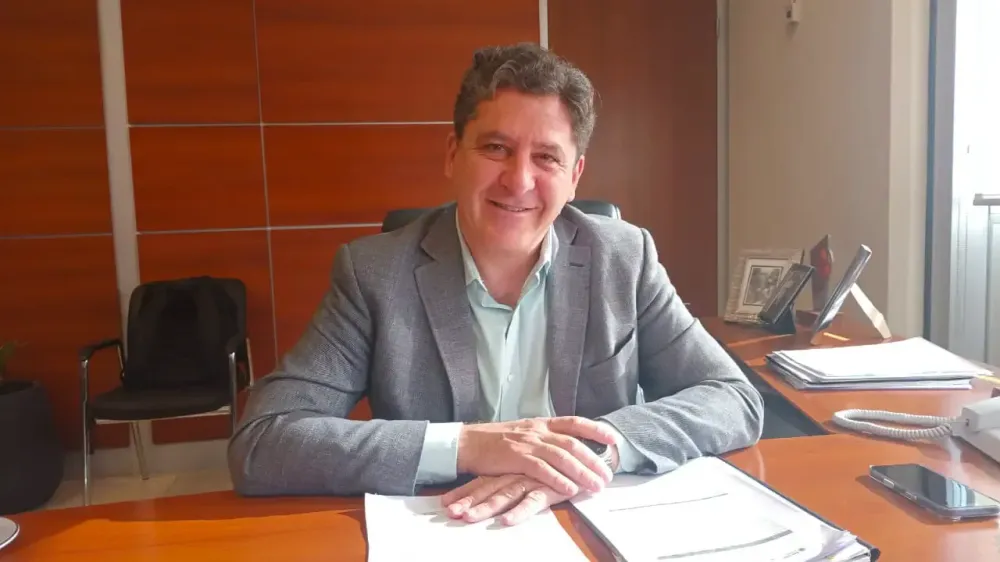
Production Minister Gustavo Fernández outlined the provincial strategy based on horizontal value addition, business partnerships and the transformation of local SMEs into providers of goods and services capable of operating in any market worldwide.