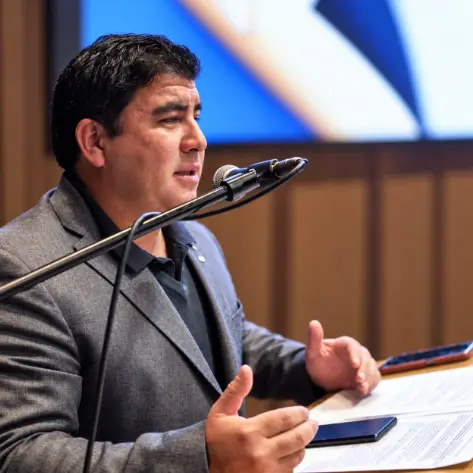
Lucas Estrada, President of EPSE, highlighted progress on the VERSU project in Sarmiento, a pilot plant designed to convert municipal solid waste into electricity. The initiative aims to process ten tonnes of waste per day, with its first thermal tests scheduled for March 2027.
The project will reduce waste volume by up to 95% and use the heat generated to produce electricity. The initiative seeks to transform an environmental problem into an energy resource through a treatment system that promotes more sustainable management of municipal waste.
By Panorama Minero
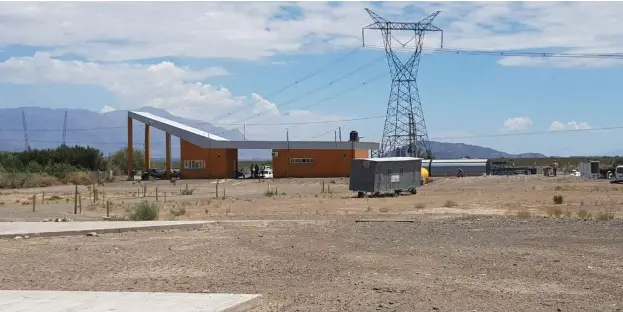
The Waste-to-Energy Project for Municipal Solid Waste, known by its Spanish acronym VERSU, represents a major initiative in San Juan's environmental and technological infrastructure. Located at the Waste Treatment and Final Disposal Centre in the Sarmiento department, the facility was designed to provide sustainable solutions for municipalities with populations ranging from 10,000 to 50,000 inhabitants. Under this approach, Sarmiento, with a population of approximately 23,000, serves as the demonstration site and pilot model for the rest of the province.
The plant operates through an industrial thermal treatment system integrated with a combined gas and steam cycle. The process involves feeding collected waste into the system and subjecting it to controlled combustion at high temperatures to generate a continuous supply of heat. This heat converts water into high-pressure steam, which will subsequently drive turbines connected to an electricity generator.
Technical Roadmap and Operational Tests Scheduled for March 2027
Development of the facility follows an administrative and technical plan structured in phases. Following the provincial government's presentation of the construction programme in February 2026 and the subsequent signing of a contract in March of the same year to process approximately ten tonnes of municipal waste per day, efforts focused on restoring the site's buildings and tendering the commissioning of equipment already installed.
Lucas Estrada, an engineer and President of Energía Provincial Sociedad del Estado (EPSE), explained that the facilities are currently undergoing technical refurbishment, with preparations focused on the first quarter of 2027.
According to the state-owned company's projections, the first controlled waste incineration tests will take place in March 2027. These trials will provide the thermal performance and steam behaviour data required to subsequently launch a tender and purchase the final turbine generator that will complete the electricity production cycle.
95% Waste Reduction and Carbon-Neutral Power Generation
The development of the VERSU plant is based on technologies used internationally, including examples observed in China. Thermal treatment provides an alternative to traditional waste burial in open dumps or landfills, addressing the environmental impacts associated with the uncontrolled decomposition of waste.
Among the main advantages outlined by Lucas Estrada is the process's ability to reduce the physical volume of waste by up to 95%, converting large quantities of refuse into a small fraction of ash and controlled by-products.
Furthermore, converting the heat generated into marketable electricity that can be supplied to the grid transforms an environmental liability into an economic asset, while maintaining a carbon-neutral emissions balance for the province.