Argus: Lithium Market to Remain Volatile Amid Ongoing Geopolitical Tensions
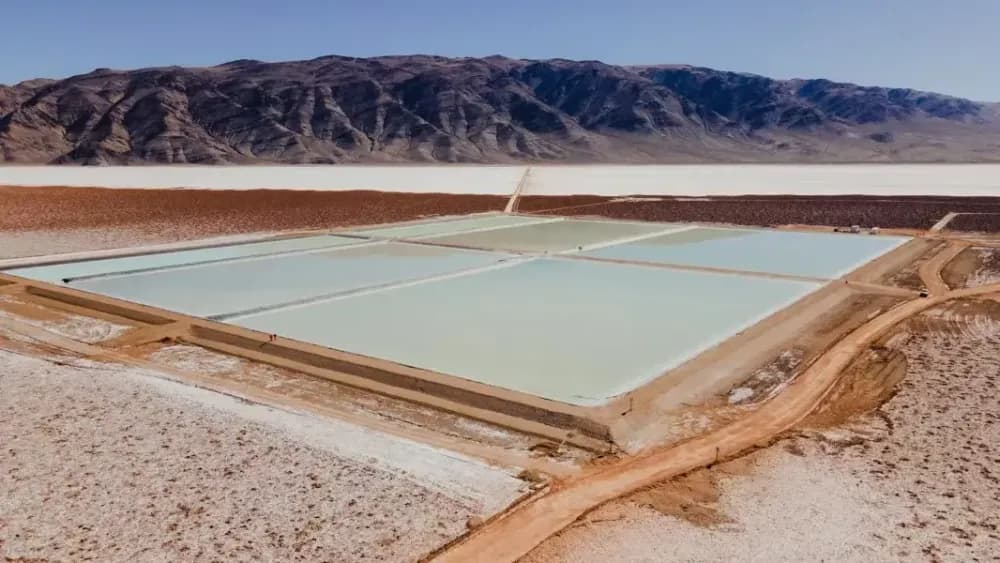
Supply disruptions, ESS growth and geopolitical tensions are shaping price dynamics, with Argentina and the region positioned to supply the market in 2026.
Supply disruptions, ESS growth and geopolitical tensions are shaping price dynamics, with Argentina and the region positioned to supply the market in 2026.
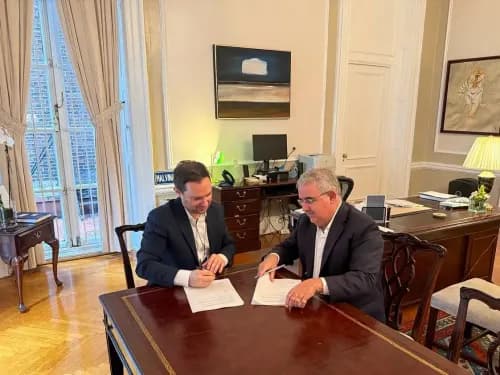
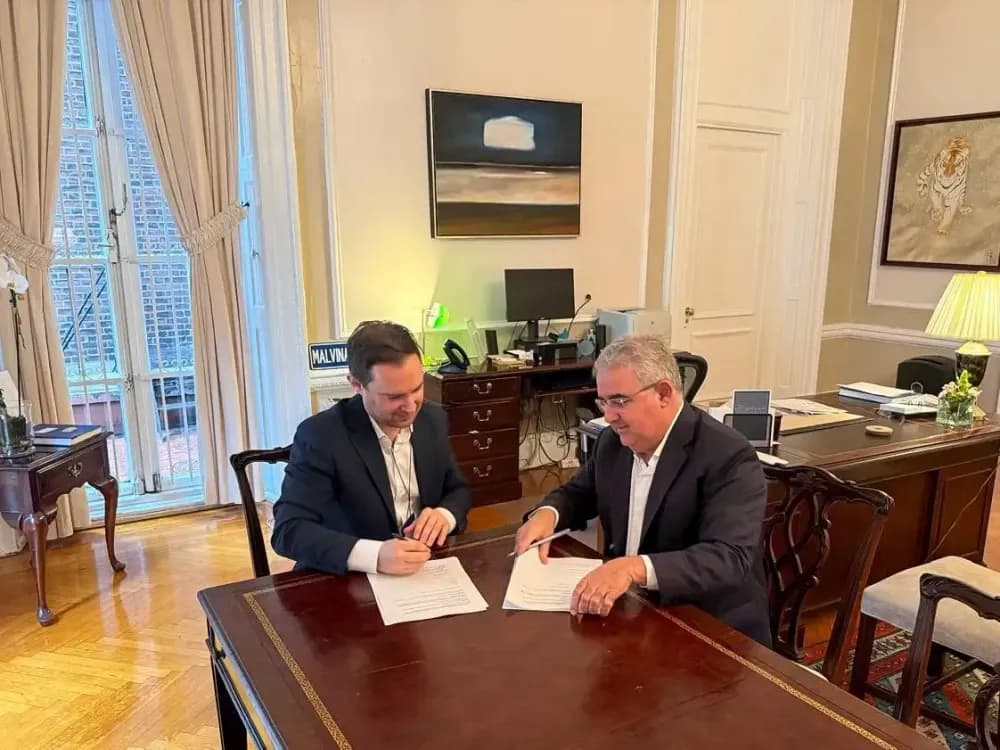
Catamarca to provide geological data and mapping, while the U.S. company will fund preliminary studies to assess the province’s rare earth potential.

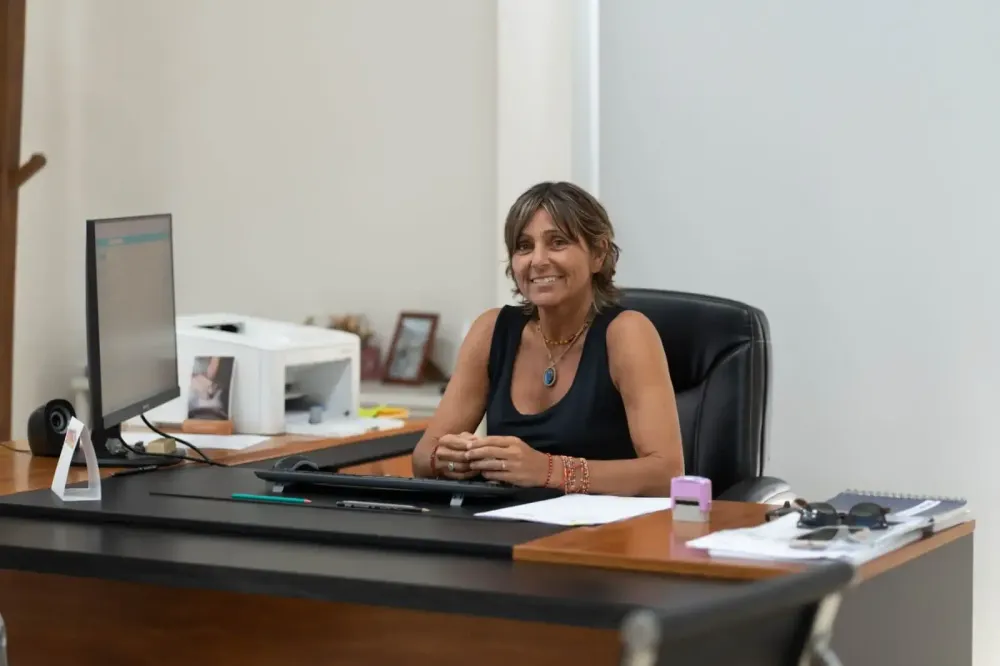
Fernanda Ávila, recently appointed Executive Secretary, outlined an agenda focused on capacity assessment, stakeholder coordination and gap identification to support the sector’s expansion.
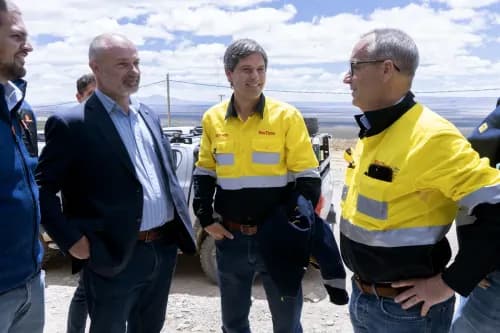
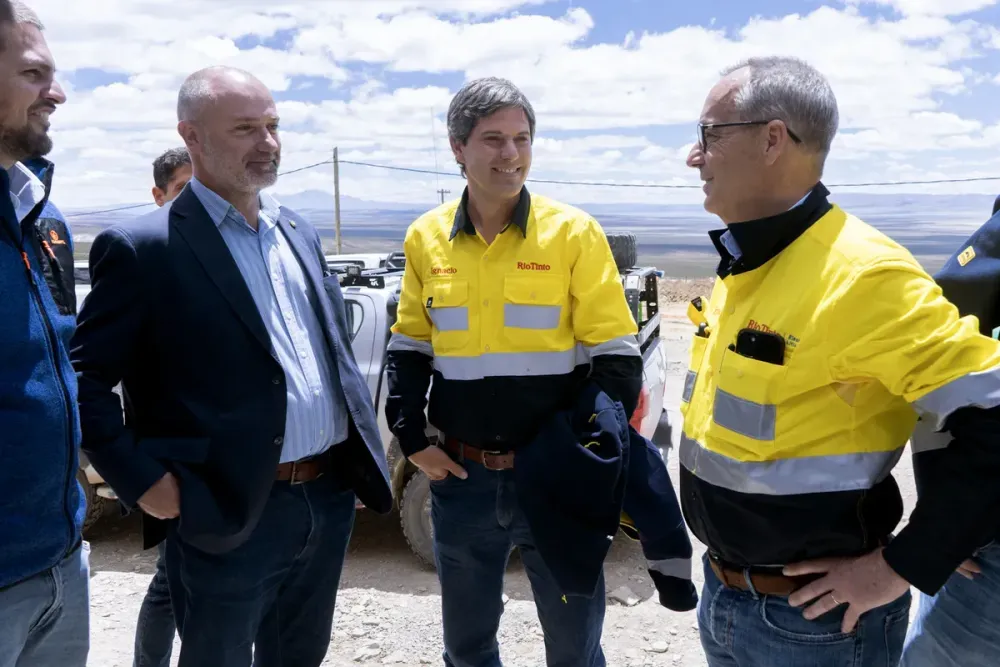
Provincial authorities and company executives reviewed investment plans, operations and transport constraints, with 120 trucks per day on National Route 52.
Subscribe to our newsletter for exclusive news, insights, and updates on the mining industry and Panorama Minero's latest initiatives.
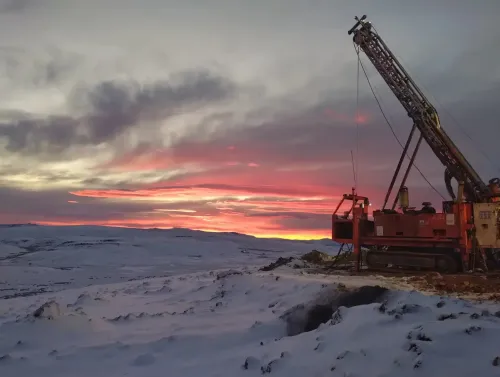
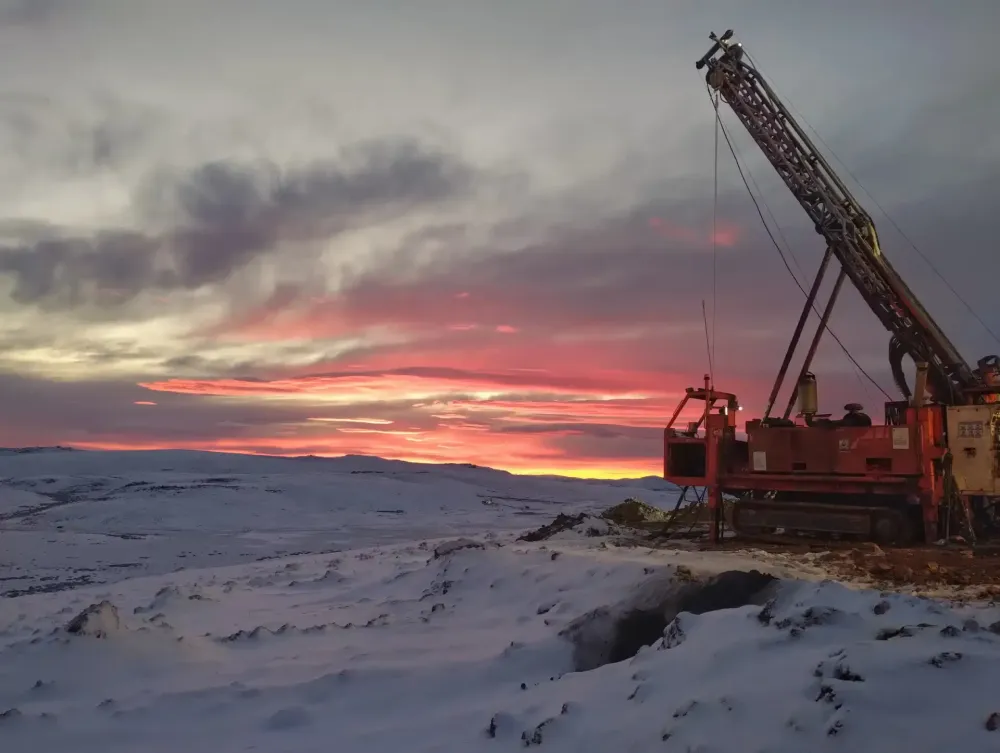
Major resource growth establishes Joaquin as a cornerstone silver asset and underpins the Company’s upcoming Pre-Feasibility Study.
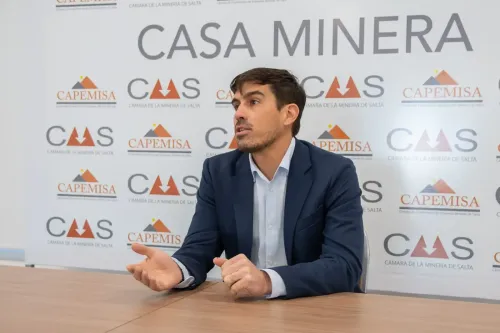
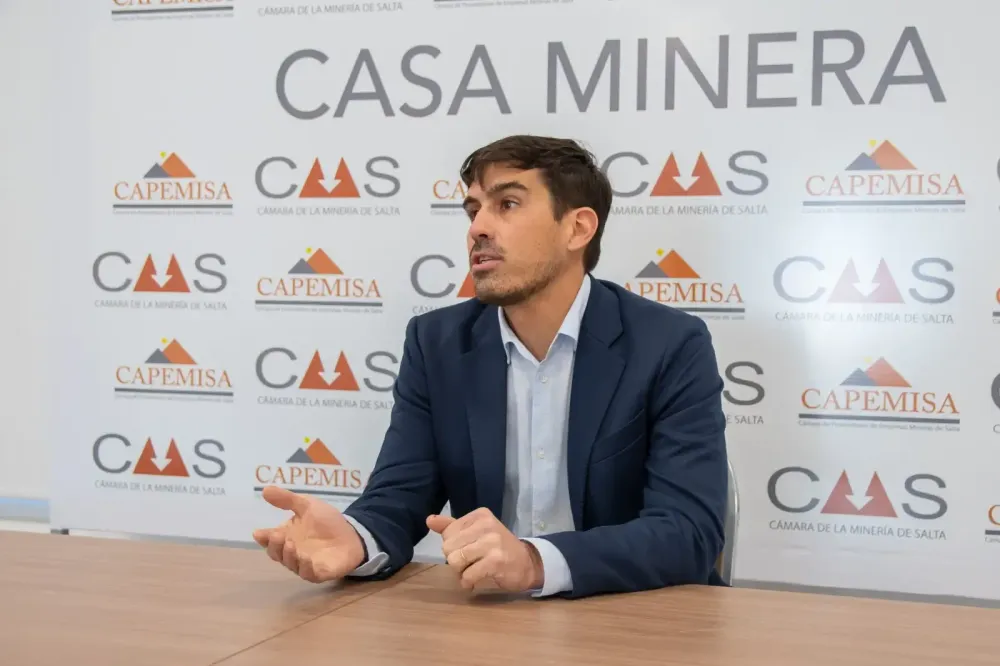
Juan Martín Gilly, president of the Salta Mining Chamber (CMS) and also Director of Legal, Institutional and Community Relations at Ganfeng Lithium, outlines a clear diagnosis of the present and prospects of mining in Salta.
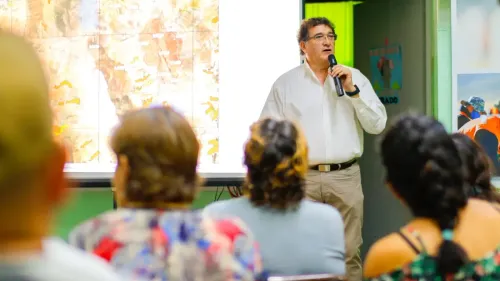
With a focus on education, training, and community dialogue, the Los Azules project consolidates its presence in Calingasta, promotes employment, local identity, and territorial development throughout the department.

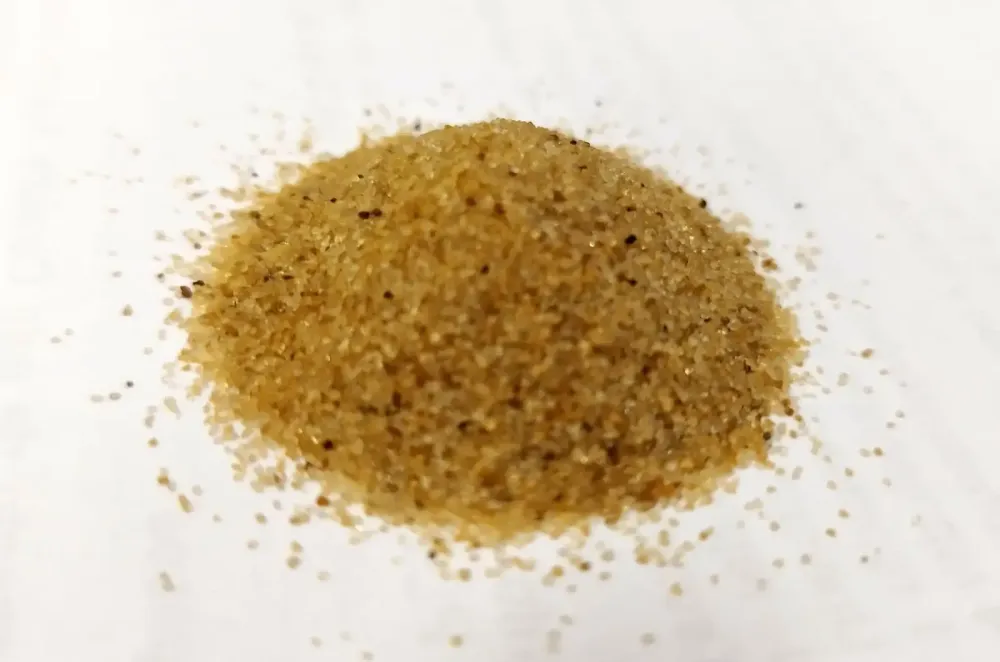
Researchers from the Mining Research Institute created a system that combines artificial vision, neural networks, and mathematical analysis to measure the quality of sands used in hydraulic fracturing.
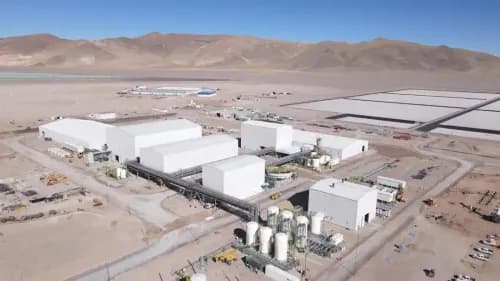
Following public consultations, authorities approved an updated Environmental Impact Assessment that includes conditioning works. The approval will remain valid for two years.
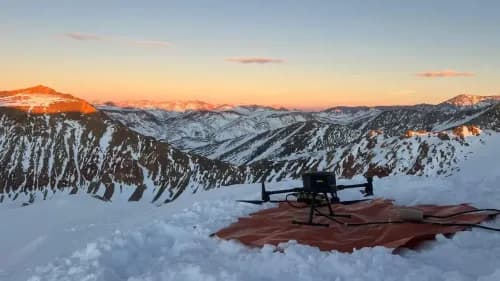
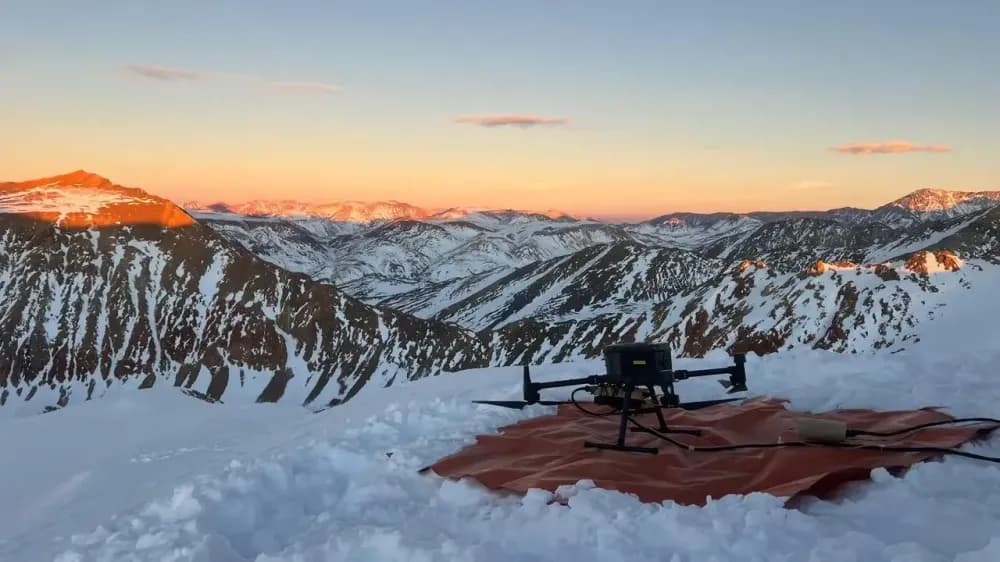
DAMS combines engineering, geophysics, and drones to study inaccessible areas of the mountain range. Its model of innovation, local training, and international certifications positions it in knowledge-based mining.
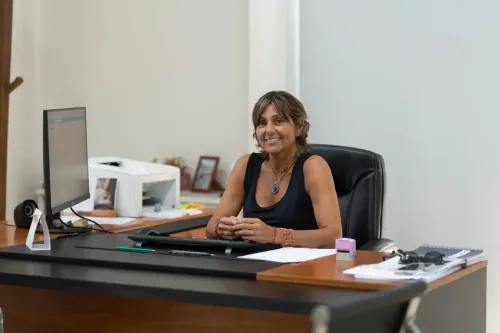
Under the management of IPEEM, the province seeks to consolidate itself as a global reference by attracting investments for gold, silver, and copper, while advancing in the prospection of critical minerals and rare earths.

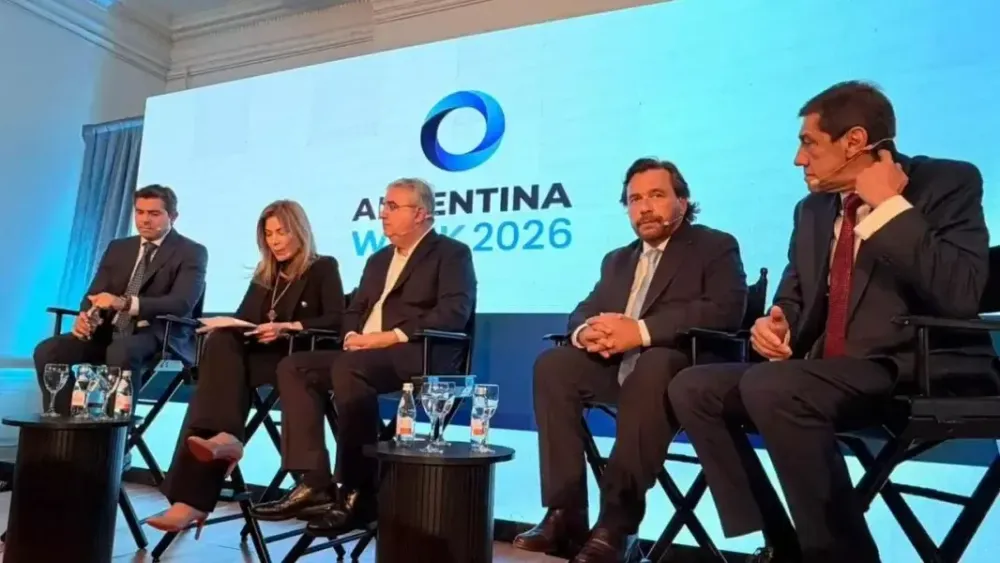
Within the framework of Argentina Week, the Governor of Salta stated that attracting investment requires predictable rules and progress in key infrastructure such as the Bioceanic Corridor and the C14 railway branch.
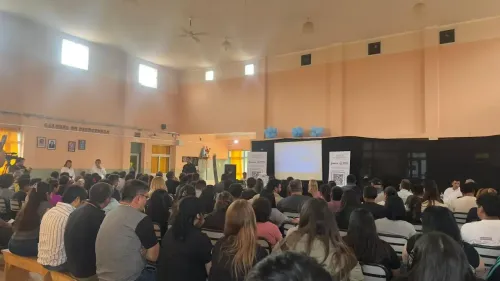
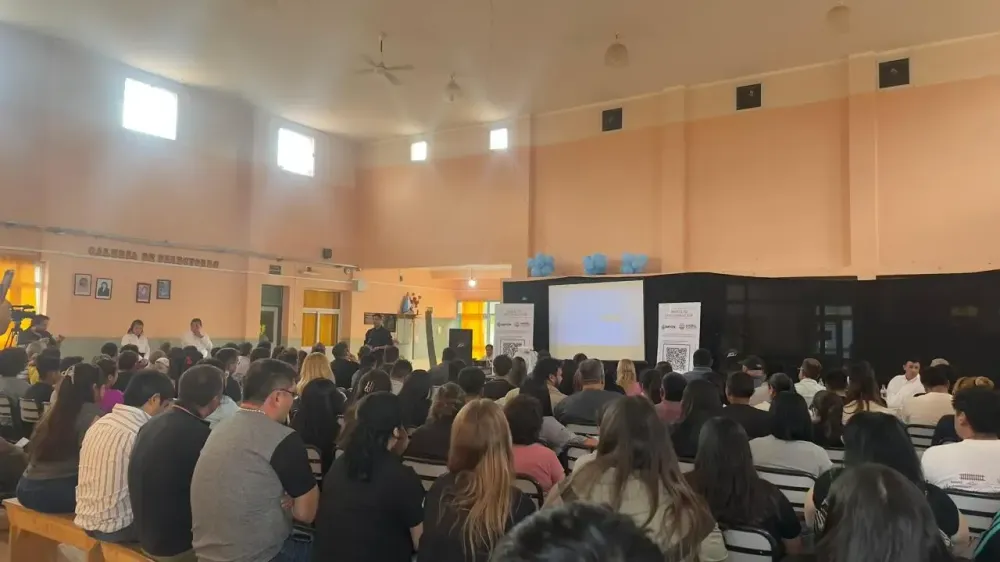
The Indian company held its first public information session on the lithium project. It will prioritize local hiring and the development of local suppliers.
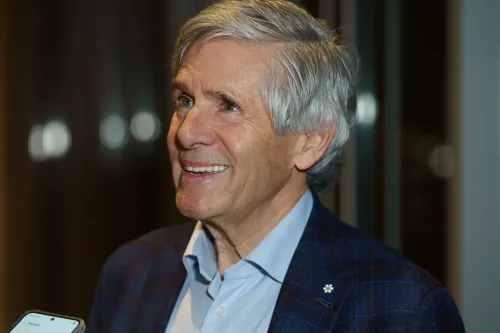
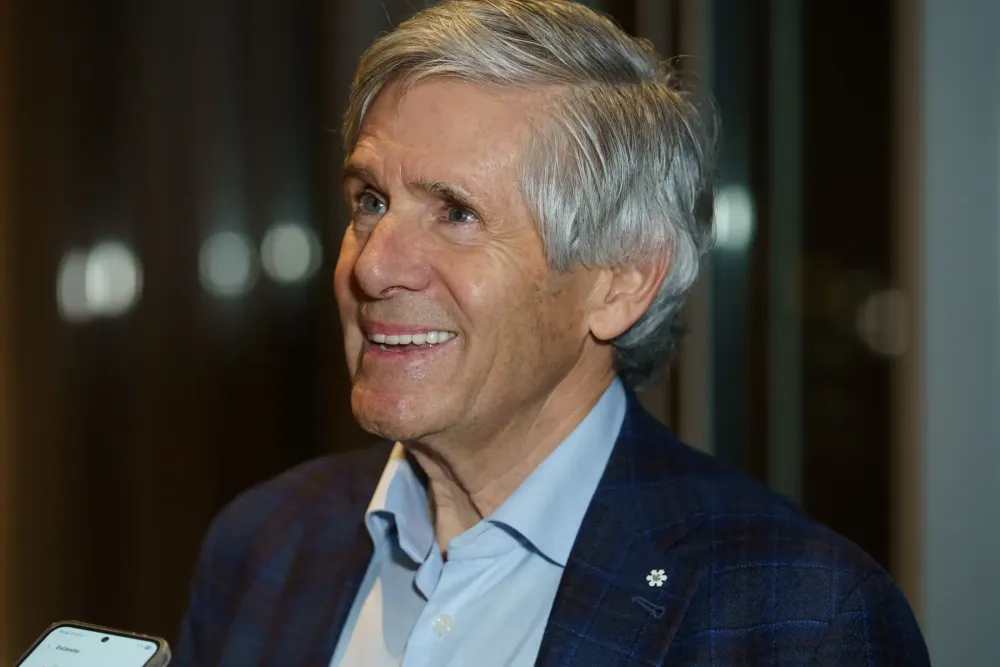
Rob McEwen, President and CEO of McEwen Mining, analyzes the global macroeconomy and the price of gold. A strong believer in precious metals, he highlights Los Azules as his major bet on copper.
Unico Silver Limited reported assay results from 56 drill holes totalling 7,823 metres completed as part of the Company’s ongoing 30,000m drill program at Joaquin Project, located in Santa Cruz Province.
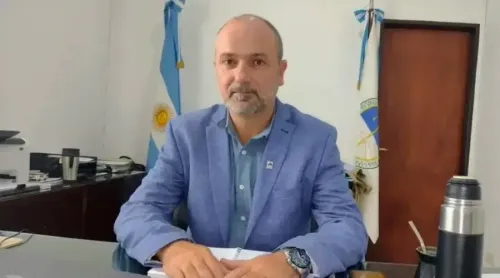
Minister José Gabriel Gómez Highlighted the Recovery of Investments, the Promotion of Local Employment and the Articulation With Communities and Universities to Strengthen Development.
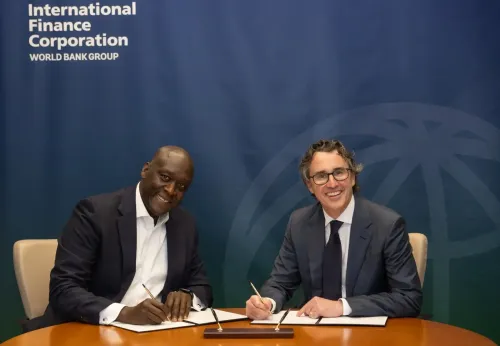
Multilateral lenders back the US$2.5 billion Rincón project in Salta, while the company launches its first lithium shipment to China and expands its footprint across Argentina’s Lithium Triangle.
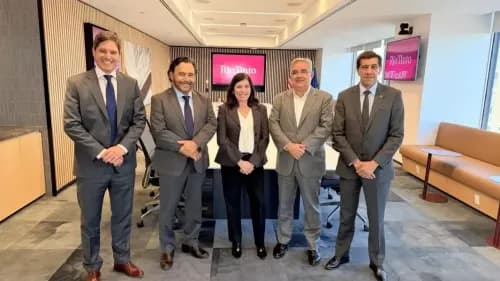
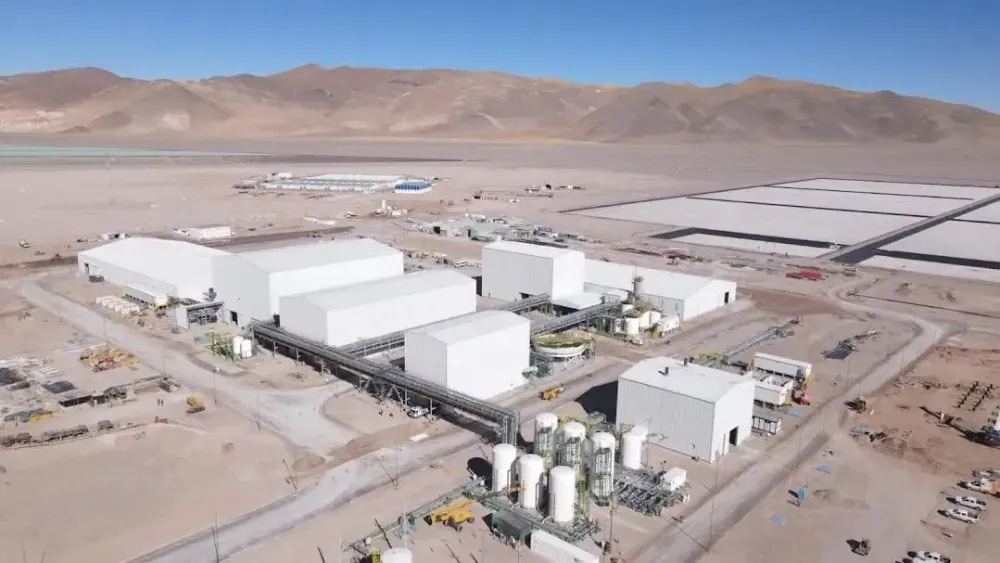
The governor of Salta, together with Barbara Fochtman, Managing Director of Rio Tinto Lithium, confirmed the first commercial shipment of 200 tonnes of lithium carbonate produced at Rincón destined for the Asian market.
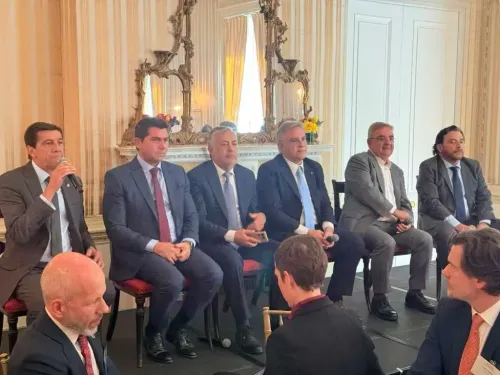
The governor of San Juan spoke to business leaders and investors at a Council of the Americas working lunch about opportunities in mining, energy, and productive development.
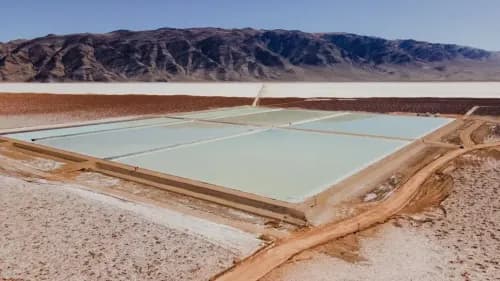
The initiative, operated by Lithea Inc. together with Lithium Argentina, foresees an investment of US$3 billion in three stages and a capacity exceeding 150,000 tonnes per year of lithium products.
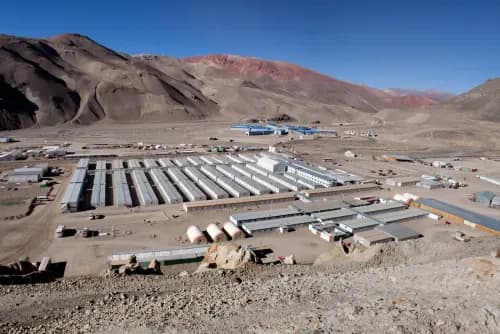
Five provinces accounted for nearly all of Argentina’s mining exports in the first month of the year, with Santa Cruz as the dominant contributor and lithium production in the northwest acting as a complementary driver.