PotashJuly 2005 · Mendoza, Neuquén
Potash under the steppe
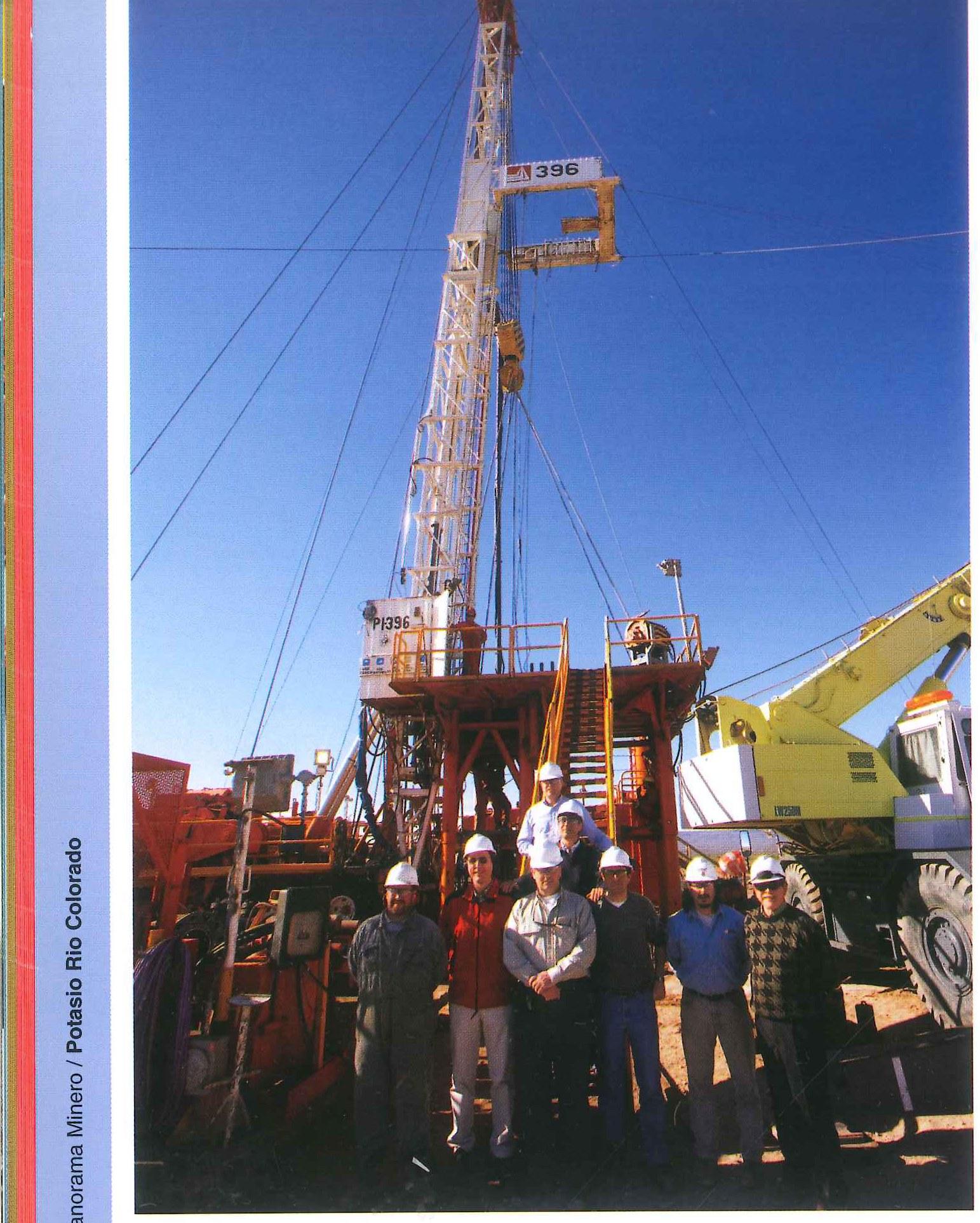
In July 2005, Rio Tinto exercises its option and takes control of Potasio Río Colorado, in the south of Mendoza. It studies extracting the salt by dissolving it at great depth, to produce up to 2.4 million tonnes per year.
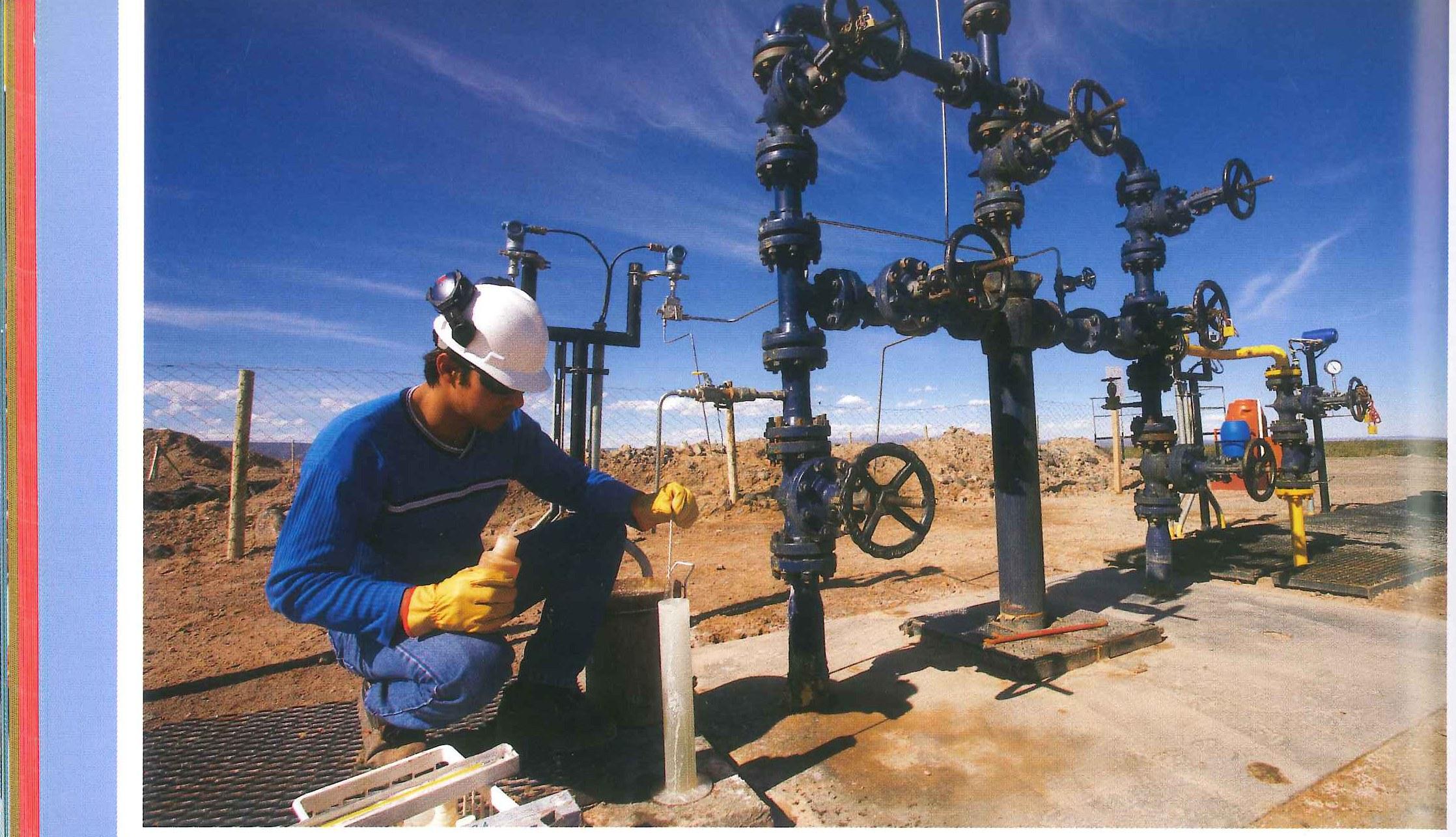
The precedent dates from 1991: the Minera TEA group agrees with the Inter-American Investment Corporation on a contribution of US$6 million. Rio Tinto takes the option in 2003 and, the following year, studies the subsurface with three-dimensional seismic surveys over 100 square kilometers and a pilot test.
In August 2005, the general manager, Kevin Fox, explains the method. The potash lies about one thousand meters underground. Pairs of wells are drilled 80 meters apart: hot water is pumped into one and the saline solution is extracted through the other. The investment is estimated at between US$500 million and US$600 million, and the first production is expected in mid-2009.
In early 2009, Rio Tinto, to reduce its debt, agrees to sell assets for US$1.6 billion, the project among them, to the Brazilian company Vale. In August, Vale obtains the environmental approval of Mendoza. In 2011, it announces an investment on the order of US$6 billion and, in 2013, halts the project. It then transfers it to the province. In June 2025, the magazine places it in the hands of Compañía Minera Aguilar and the Brazilian company ARG.