LithiumJune 5, 1980 · Catamarca
The lithium that was in the water of the salt flat
In Córdoba, in June 1980, Hugo B. Nicolli reports that the brines of the Salar del Hombre Muerto contain between 0.7 and 0.8 grams of lithium per liter. The magazine publishes this when the lithium in Argentine brines was still an analytical result.
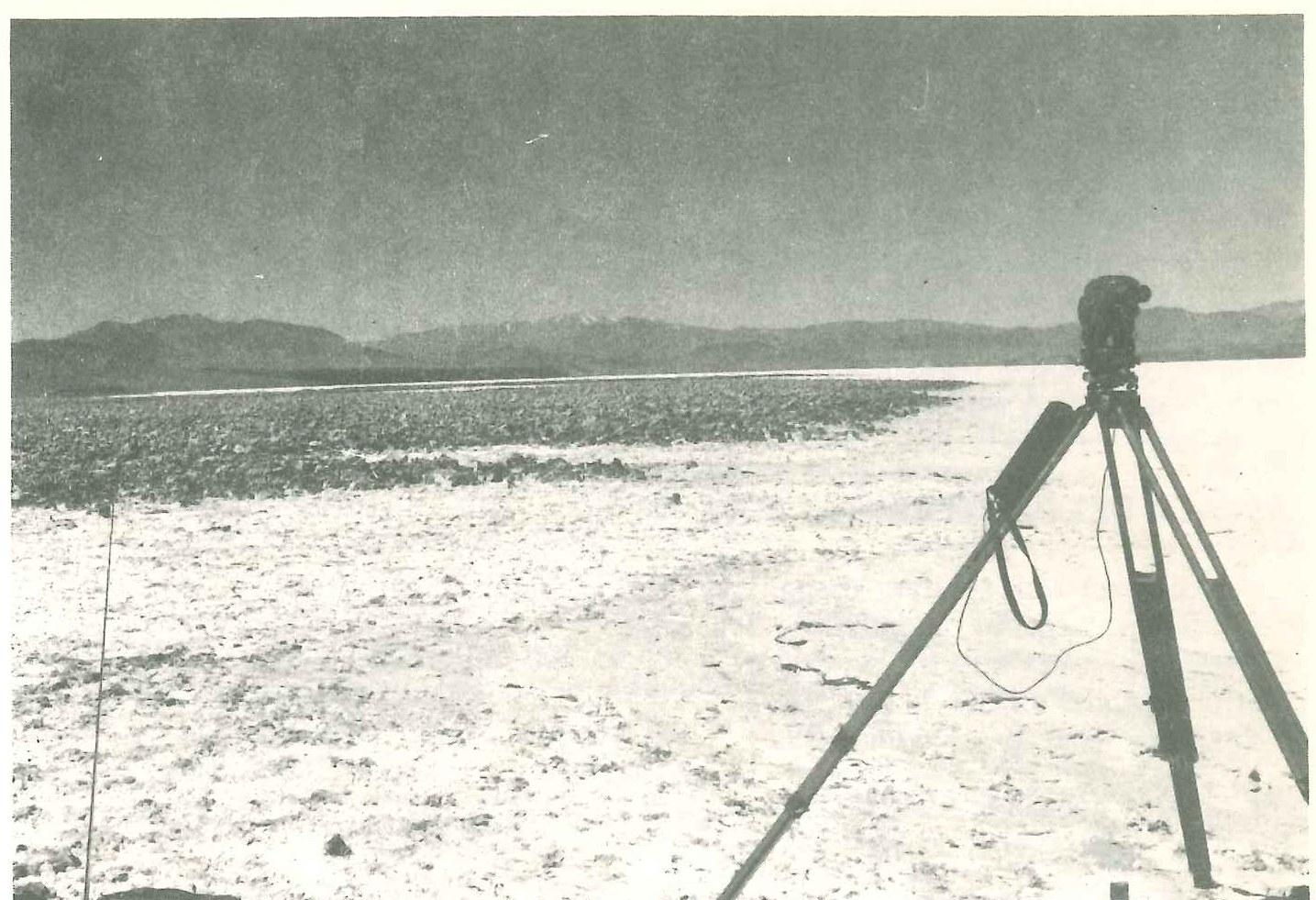
Nicolli is a researcher at the National Commission for Space Research (CNIE). He speaks on June 5 at the School of Exact, Physical and Natural Sciences of the Universidad Nacional de Córdoba, under the auspices of the Academia Nacional de Ciencias. T. García Castellanos introduces him, and Horacio Magliola Mundet, a contributor to the magazine, attends the lecture.
In other salt flats of the Puna, the content is 0.3 to 0.4 grams per liter. Nicolli compares it with Atacama, in Chile, which reaches 1.7, and also speaks of potassium, magnesium and boron. The report mentions one use of lithium: fuel for the thermonuclear reaction.
On March 14, 1981, Catamarca and that Commission agree to explore the salt flats, with three drill holes at Hombre Muerto. In 1988, Vicente Méndez, of Fabricaciones Militares, makes a preliminary estimate of 143,100 tonnes of lithium. On March 24, 1994, the mining agreement with FMC is signed at Government House, and in July 1997 start-up begins at the salt flat.