Laws, institutions and the magazineDecember 29, 1997 · San Juan
The Andes are no longer a boundary for mining
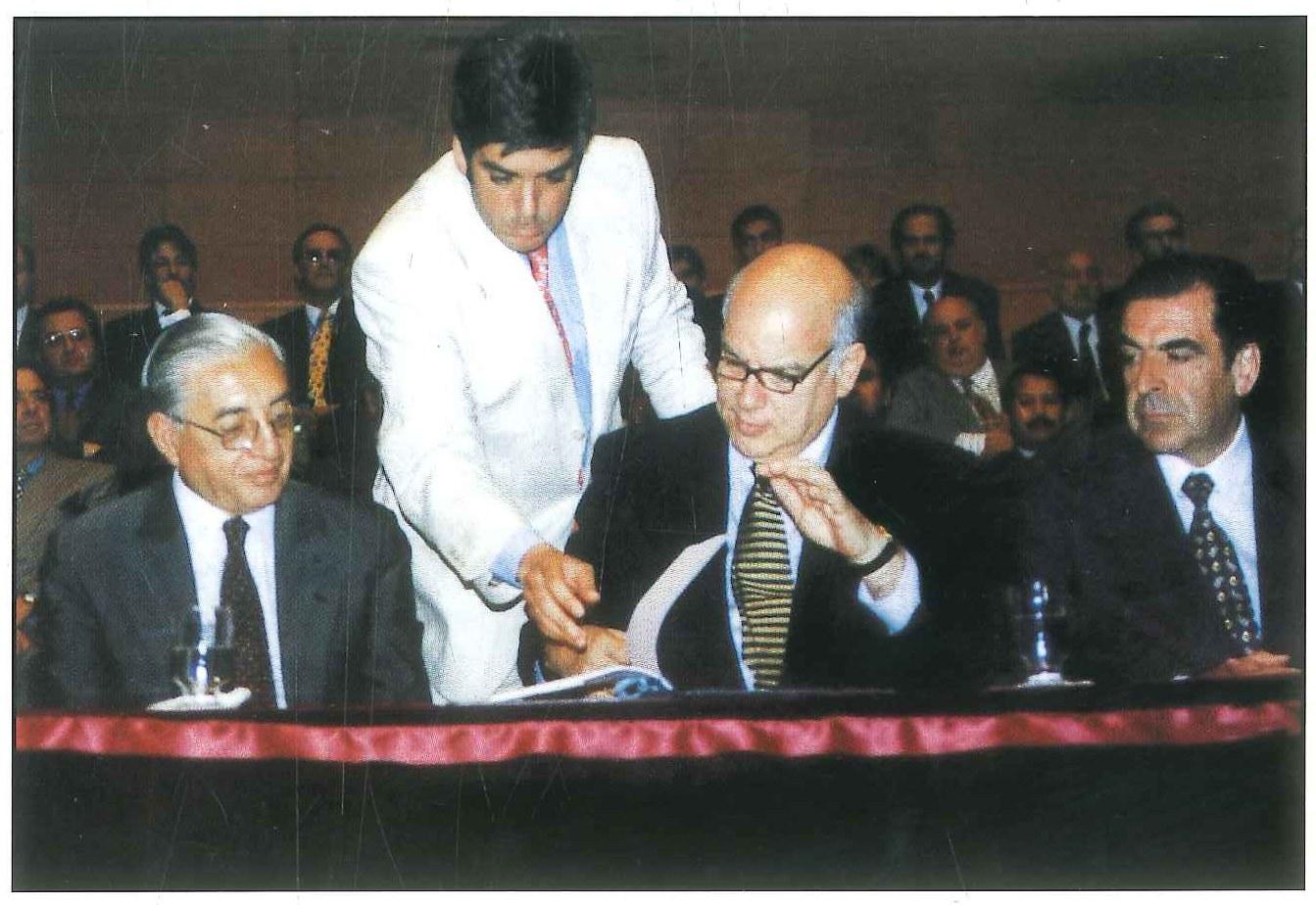
On December 29, 1997, before Carlos Menem and Eduardo Frei, the foreign ministers sign the Treaty on Mining Integration and Complementation in San Juan and Antofagasta. Once ratified, it will allow projects to be developed on both sides of the border.
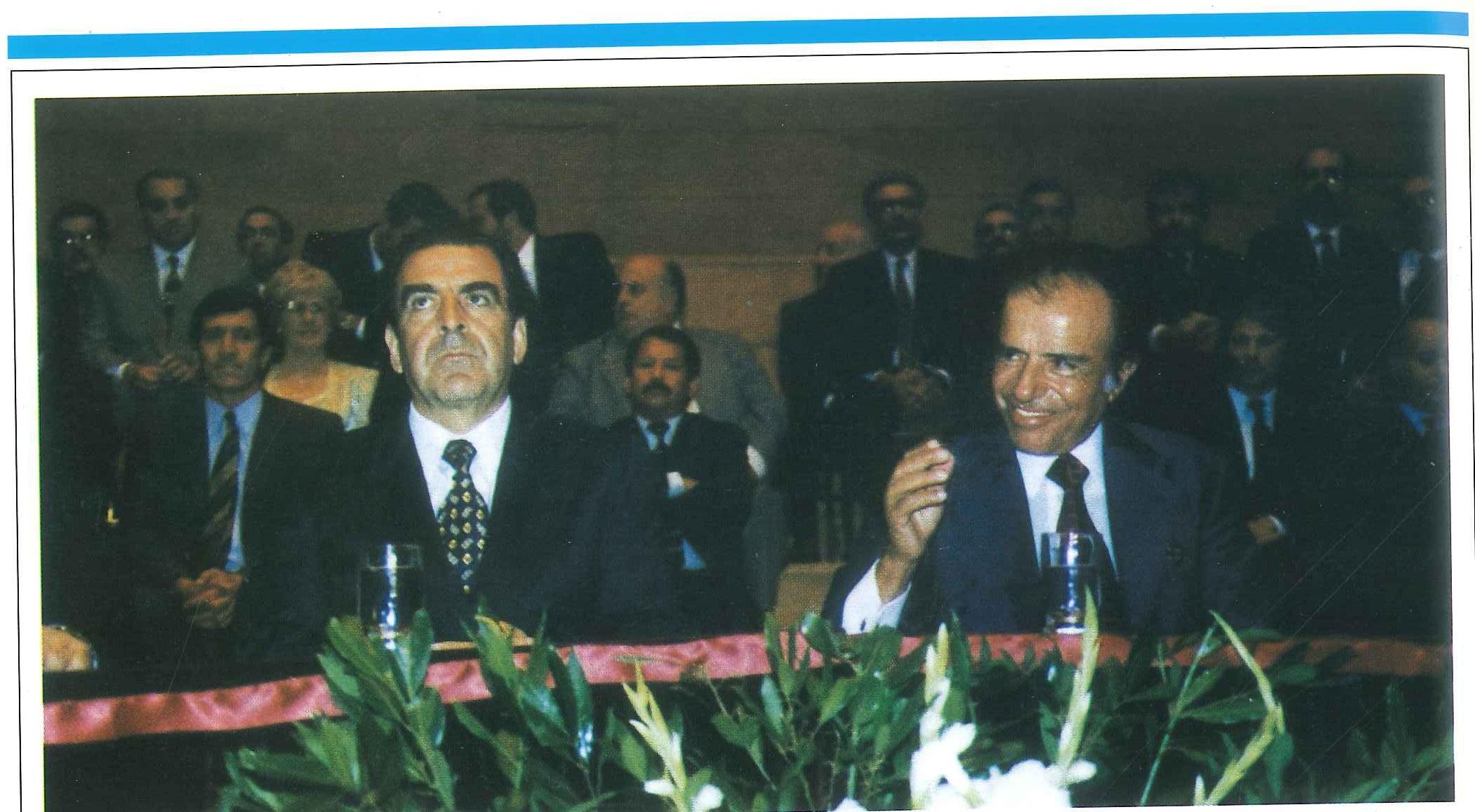
The signing concludes about four years of negotiations. Governor Jorge Escobar leads the ceremony in San Juan; the delegations then travel by plane to Antofagasta. Guido Di Tella and José Miguel Insulza sign.
The text allows deposits to be explored and mined jointly in areas less than 50 kilometers from the border and ensures national treatment for investors from both countries. The magazine mentions 30 Argentine projects that benefit, among them Lama, Veladero, El Carmen and Taca Taca. An electrical interconnection protocol is also signed.
Ratification is still pending. The Argentine Senate approves the treaty unanimously on November 24, 1999, and the Chilean Senate does so in August 2000, with 34 votes in favor, seven against and five abstentions. It enters into force on December 20, 2000, in San Pedro de Atacama, before Presidents Fernando de la Rúa and Ricardo Lagos. In 2019, officials from both countries analyze El Pachón, Vicuña and Pascua-Lama under that framework.