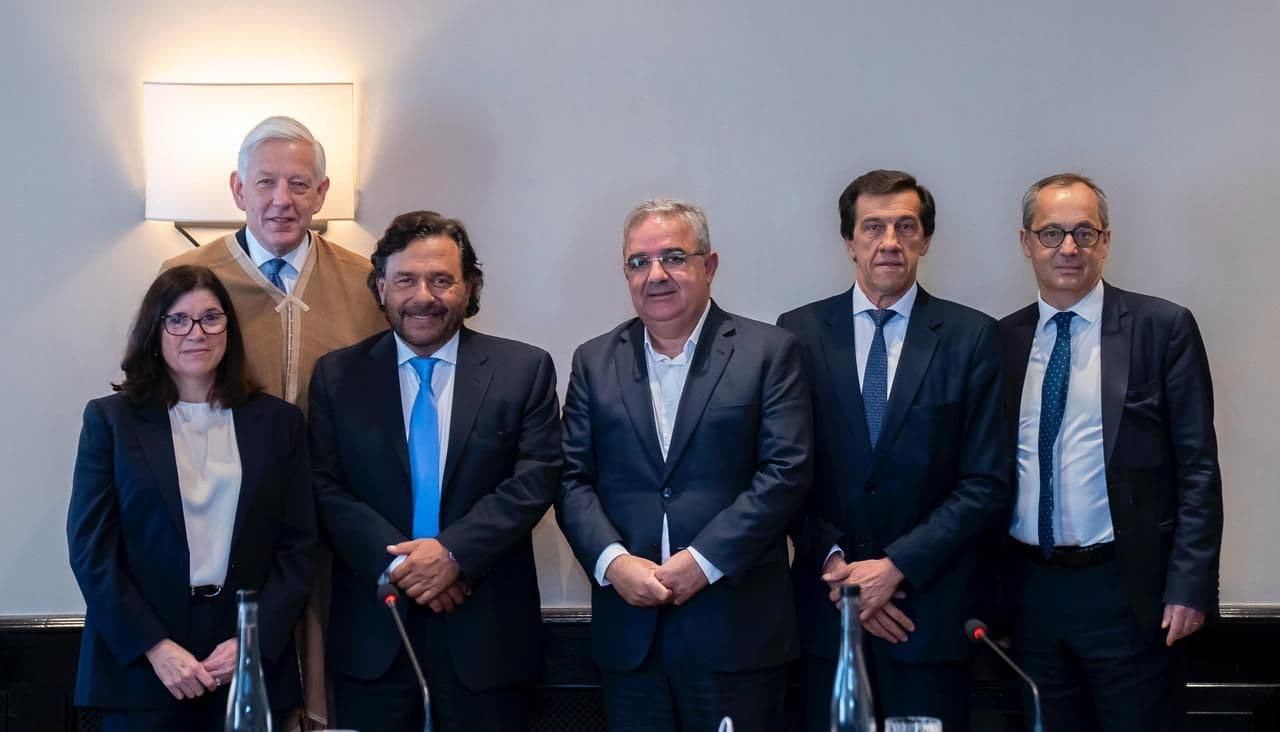
At a high-level meeting recently held in Catamarca, Rio Tinto reaffirmed its strategic commitment to the province and to the development of Argentina’s lithium sector, during talks with Governor Raúl Jalil and his counterparts from Salta, Gustavo Sáenz, and Jujuy, Carlos Sadir—members of the Regional Lithium Board.
Por Panorama Minero
The meeting, aimed at strengthening regional coordination around the advancement of large-scale mining projects, was attended by senior Rio Tinto executives, including Dominic Barton, Chair of the Board, along with other leaders from the company’s global aluminum and lithium divisions.
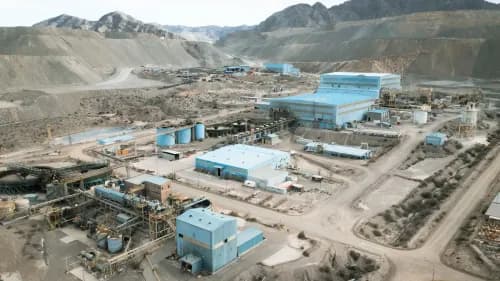
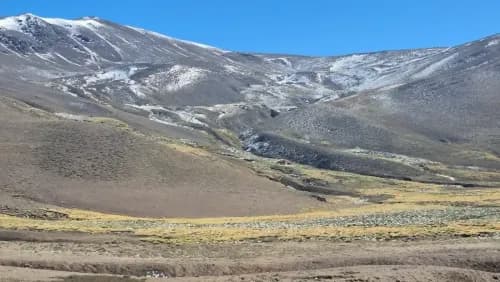
During the discussions, company representatives confirmed the continuation and expansion of key initiatives at the Salar del Hombre Muerto and reaffirmed significant investments in Catamarca, with a focus on increasing lithium carbonate production and strengthening the local value chain.
Within this framework, Rio Tinto announced the restart of Phase 1B of the Fénix project, resuming construction of a plant that was approximately 75% complete. Once finalized, the facility is expected to add an additional 10,000 tonnes per year of battery-grade lithium carbonate.
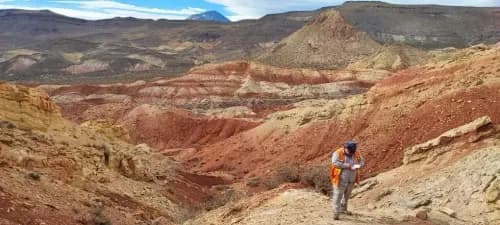
Beyond Fénix, the company highlighted progress on other strategic projects, such as Sal de Vida, also located in Catamarca. The project’s reactivation was submitted under Argentina’s Large Investment Incentive Regime (RIGI) for approximately US$638 million, reinforcing the company’s commitment to the province as one of the most dynamic production hubs in the industry.
The meeting took place against the backdrop of Rio Tinto’s global expansion following its acquisition of Arcadium Lithium, a transaction that positions the company as a leading player in the global lithium market and strengthens its footprint in Argentina, with interests in projects across Catamarca, Jujuy and Salta.
The expected impact of these investments includes the creation of direct and indirect employment, the development of road and energy infrastructure, and the implementation of training programs aimed at strengthening local suppliers and increasing the depth of the regional lithium value chain.
Provincial authorities emphasized that this set of initiatives helps position Catamarca at the heart of the global energy transition—not only because of its resource endowment, but also due to its growth potential and the active role of the private sector working in synergy with subnational governments.
At the close of the meeting, both Rio Tinto representatives and provincial leaders expressed their shared commitment to advancing projects that enhance the competitiveness of Argentine lithium in global markets, prioritizing responsible mining models that deliver socioeconomic benefits to local communities and promote regional development.