The initiative, located in the south of the province, proposes to produce copper oxide for agricultural fungicides, using controlled processes, with low environmental impact and an operational scheme typical of small-scale mining.
By Panorama Minero
While Mendoza accelerates decisions related to the exploration and future large-scale production of copper, another, less visible but strategic segment is beginning to consolidate: small-scale metal mining aimed at supplying concrete production demands in the domestic market. These are low-scale projects, with limited industrial processes and strong environmental controls, seeking integration into existing supply chains such as agriculture and viticulture.
In this context is the Cobre San Romeleo project, located in the department of Malargüe. The initiative focuses on producing copper oxide, a key input for the manufacture of copper sulfate and copper oxychloride—products widely used as fungicides in agriculture, particularly in organic production schemes.
The project has already gone through its public hearing and is advancing within the expected administrative channels, in a context where Mendoza seeks to develop mining across its full spectrum: from small-scale operations to large structural ventures.
A small-scale project with a defined productive purpose
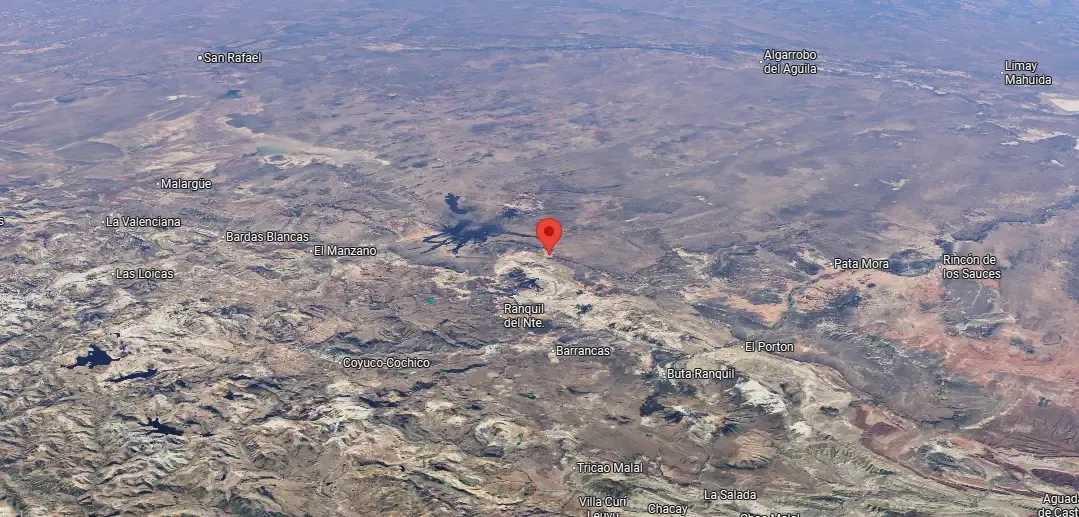
Cobre San Romeleo is promoted by LABSA S.A. and is developed on a 45-hectare mining property located at Puesto Aguas de Isaac, Quebrada de San Romeleo, Río Barrancas district, in southern Mendoza. From a technical and regulatory perspective, it is a small-scale project, both in terms of operational capacity and the type of processes involved, with environmental impacts predominantly of local scope.
The operation plans a processing capacity of 40 tons of ore per day, with an estimated investment of approximately USD 3 million, including civil works, equipment, access roads, working capital, and plant installation.
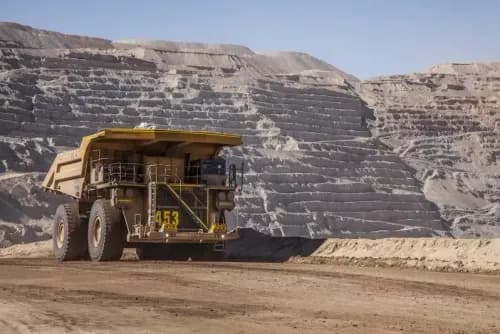
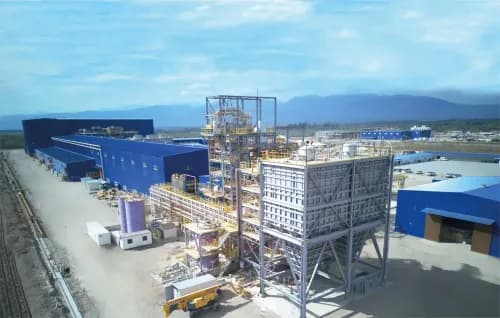
The operational scheme includes quarry extraction, internal transport, followed by crushing and milling, and beneficiation processes aimed at concentrating copper in the form of oxide. The treatment plant, of compact design, occupies approximately 2,000 m², distributed over two levels and strategically located within the mining property, adjacent to a dry creek.
The final product of the process is copper oxide, which is then converted into copper sulfate and copper oxychloride—essential inputs for controlling fungal diseases in regional crops. These products are routinely used in Mendoza’s wine industry and other regional economies, positioning the project as a local supplier of strategic inputs and enabling import substitution.
An important point from an environmental perspective is that the project does not involve the use of substances prohibited under current legislation, simplifying monitoring and regulatory compliance.
Mass balance, effluents, and environmental control
From a technical standpoint, the daily operation balance indicates that from the 40 tons of ore processed, approximately 0.47 tons of copper oxide are produced, while the exhausted material amounts to about 39.5 tons per day. Copper losses in the residue are estimated at around 10% of the total content, a typical value for this type of process.
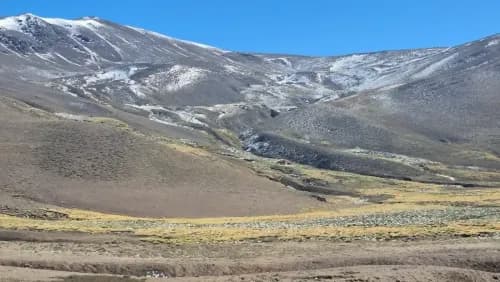
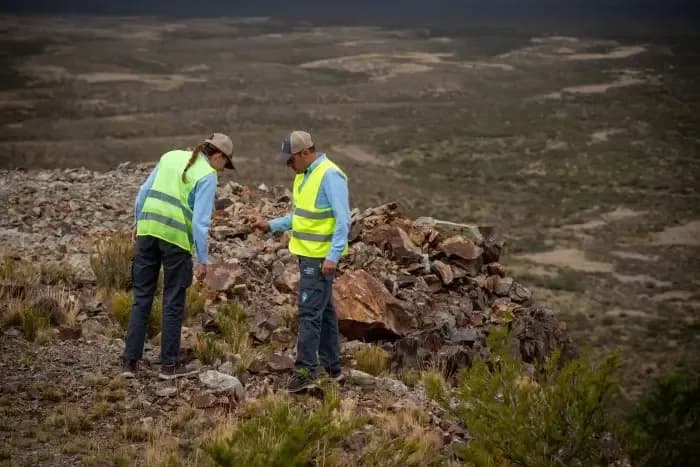
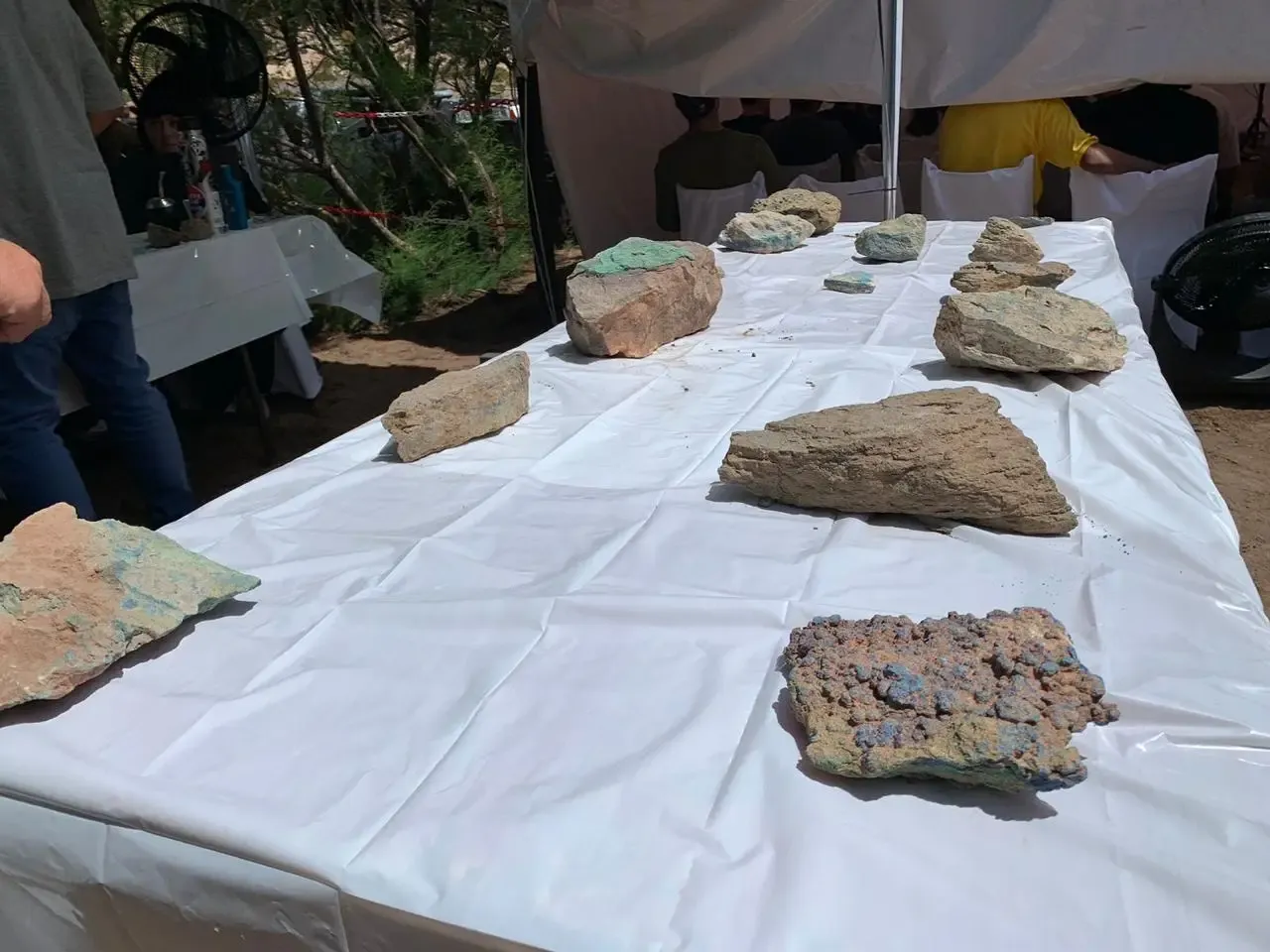
The deposit is located at an average altitude of 1,700 meters above sea level, in well-characterized geological units. Mineralization occurs in copper-bearing arkosic sandstones, predominantly containing chalcantite, accompanied by malachite, azurite, brochantite, and other secondary minerals.
From a hydrogeological perspective, the area does not present significant underground aquifers, and the identified surface springs have limited flows, mainly used for human and livestock consumption. The climate is arid, with scarce rainfall and xerophytic vegetation typical of southern Mendoza.
The public hearing as a social validation step
As part of the Environmental Impact Assessment process, the project recently held its public hearing, with significant participation from citizens and representatives of various productive, social, and academic sectors. The event took place both in person near the project site in Malargüe and virtually, ensuring access for all interested parties.
During more than six hours of presentations, interventions of various profiles were recorded, highlighting that over 90% of those who spoke expressed support for the initiative.
Cobre San Romeleo thus joins a broader context in which Mendoza advances both in large-scale copper mining and in smaller projects with specific productive purposes. In this case, the production of inputs for agriculture positions mining not as an isolated activity, but as a complementary link within the province’s productive framework.
Far from competing with other activities, these types of projects demonstrate that mining can integrate into already established regional economies, add value, and generate local employment in a technical, controlled framework with clear rules. In this sense, small-scale copper mining is beginning to take its place within Mendoza’s new mining map.