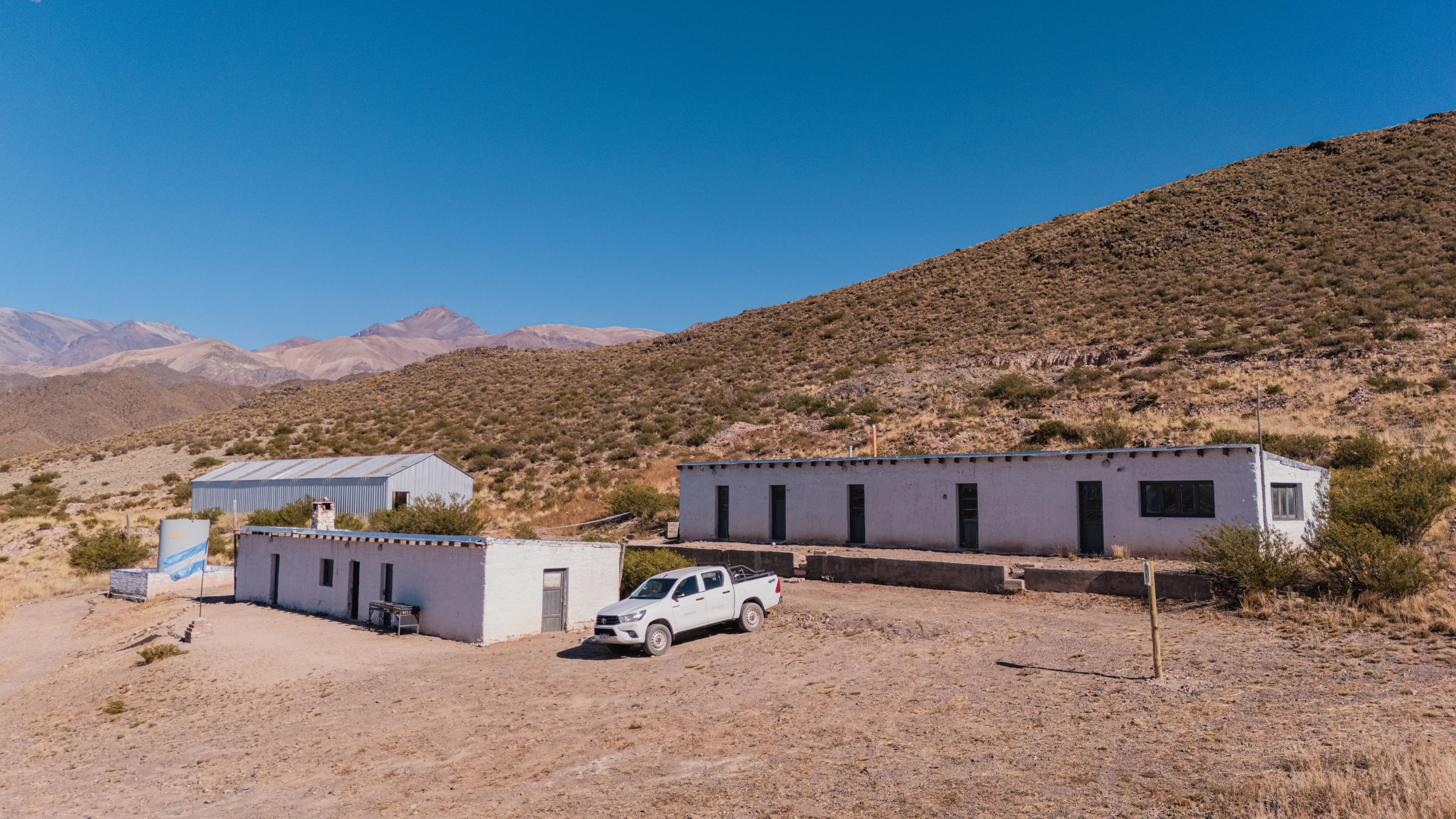
As feasibility studies advance for the PSJ Cobre Mendocino project, which aims to produce copper concentrate in Uspallata, Mendoza’s judiciary once again rejected attempts to halt the initiative through precautionary measures. The Fifth Court of Appeals upheld prior rulings dismissing injunctions filed by environmental organizations and by the Huarpe Guaytamari Community, maintaining the validity of the Environmental Impact Declaration approved under Provincial Law No. 9,684.
By Panorama Minero
On January 29, 2026, the Fifth Civil, Commercial, Mining, Peace and Tax Court of Appeals of Mendoza issued two consecutive rulings rejecting requests for precautionary suspension of the Environmental Impact Declaration. The filings had been submitted in separate cases by Fundación Ambiente y Recursos Naturales together with environmental assemblies, and by the Huarpe Guaytamari Community jointly with Fundación Cullunche.
In both proceedings, the Court confirmed first instance decisions and upheld the effectiveness of the project’s Environmental Impact Declaration, without yet addressing the merits regarding the legality or constitutionality of Law No. 9,684. That substantive review will continue within the broader environmental collective injunction cases currently underway.
The claimants in both cases sought to halt the project through an innovative precautionary measure. They requested immediate suspension of the Environmental Impact Declaration, cessation of any activities related to PSJ, and the blocking of sectoral permits, including mining, municipal and water use authorizations.
In the case filed by Fundación Ambiente y Recursos Naturales and environmental assemblies, the request sought a general administrative standstill until final judgment. In the claim brought by the Guaytamari Community, the filing additionally alleged violations of indigenous rights, lack of prior, free and informed consultation and consent, and potential impacts on the Qhapaq Ñan and associated cultural assets.
The judges emphasized that the total suspension of a project would effectively anticipate the outcome of the main proceedings. For that reason, they stated that such measures require particularly strict scrutiny and cannot operate as an advance ruling based solely on environmental or collective rights arguments.
No Automatic Suspension Under the Precautionary Principle
A central issue addressed in the rulings was the interpretation of the precautionary principle. The Court held that its application does not entail automatic suspension in the face of any technical uncertainty. Instead, it requires objective support for the alleged risk and a reasonable assessment of the proportionality of the requested measure.
Within this framework, the Court noted that the immediate suspension of works should operate as a last resort, particularly where objections involve technically complex matters such as environmental baseline studies, hydrogeology or deferred assessments, which require expert evidence and full adversarial debate during the merits phase of the case.
In both proceedings, the Court concluded that no manifest illegality had been demonstrated at this preliminary stage that would justify suspending an entire legal and administrative framework, including a duly enacted provincial law.
The filings included technical reports and references to constitutional and international environmental and indigenous rights standards. The Court did not dismiss the relevance of those arguments but clarified that their comprehensive evaluation corresponds to the final judgment.
Specifically, it stated that issues related to prior consultation, indigenous consent and potential cultural impacts must be examined through specific evidence and full procedural debate, rather than resolved within the limited scope of precautionary proceedings.
With these rulings, the PSJ project retains its valid Environmental Impact Declaration and does not face judicial suspension, while feasibility studies continue in Uspallata.