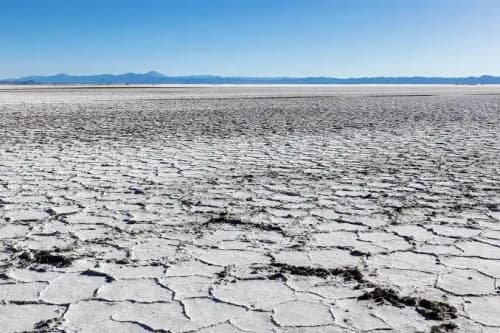
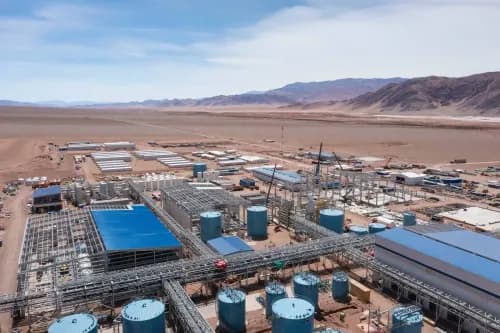
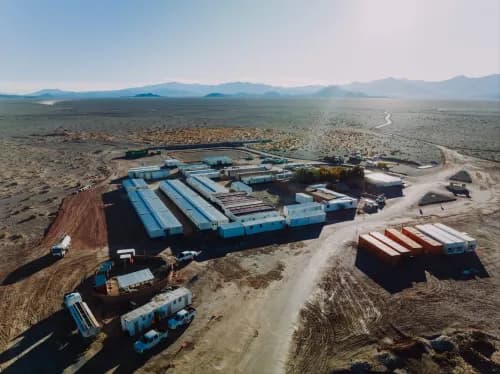
Neo Lithium Corp. announced that the Company has completed its comprehensive environmental base study (“EBS”) and has submitted it to the authorities of the Catamarca Province, while also making significant progress in other critical technical aspects at its Tres Quebradas lithium brine project in Catamarca Province(the “3Q Project”).
Environmental Base Line
The study was led by GT Ingenieria S.A., an independent consulting firm based in Mendoza province, starting over two years ago. The study involved a team of over 15 experts, most of them from Catamarca University and other well recognized institutions. The study covered a number of important areas such as zoology, botany, archeology, microbiology, limnology, soils, quality of air, social studies, paleontology, transport impact on environment, water quality, hydrology of the basin and hydrogeological modeling to predict brine level at different production scenarios.
The EBS concluded that there were no material environmental issues that would impede the development of the 3Q Project. The hydrogeological model showed that the extraction of brine from the salar will produce minimal impact on the brine level of the salar even under extraction scenarios of 60,000 tonnes of lithium carbonate per year.
Waldo Perez, President and CEO of Neo Lithium commented, “We are delighted to have completed this important phase of the project’s environmental evaluation, which together with the previously filed expanded resource estimate, confirms our intention to accelerate the development of 3Q Project.”
Pilot Pond Operation and Expansion
The pilot ponds have been operating for over 18 months and are now producing high grade concentrated brine of approximately 4% lithium to feed the pilot plant. Two sets of new ponds have been built on the salar, and the Company has tripled the evaporation ponds surface this year and will continue building ponds over the next four months to ensure a correct pond infrastructure going forward. The evaporation obtained on the pilot ponds built on top of the salar are higher than the pilot ponds built in the nearby alluvial cone, mainly due to higher temperatures and more wind on top of the salar, than surrounding alluvial grounds.
Pilot Lithium Carbonate Operation
The Company contracted the Instituto de Investigaciones Tecnológicas from Universidad de Concepcion, Chile, to build a lithium carbonate pilot plant for the 3Q project. The plant construction is now complete and will start operation and training with Neo Lithium engineers during the fourth quarter and initial sample production is expected to be subsequently transported to Argentina in January 2019. The plant will have a capacity of 100 tonnes of lithium carbonate per year, however the pilot plant is expected to operate in batches to maximize the process and obtain final data for the feasibility study, including 3Q Project lithium carbonate specifications.