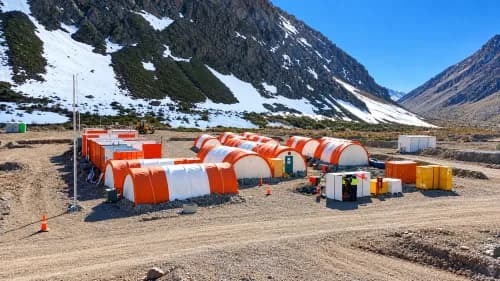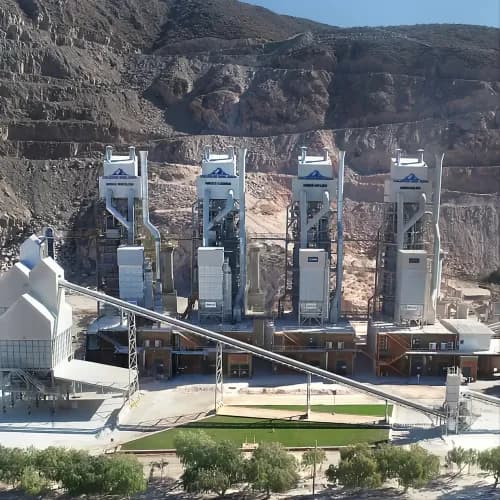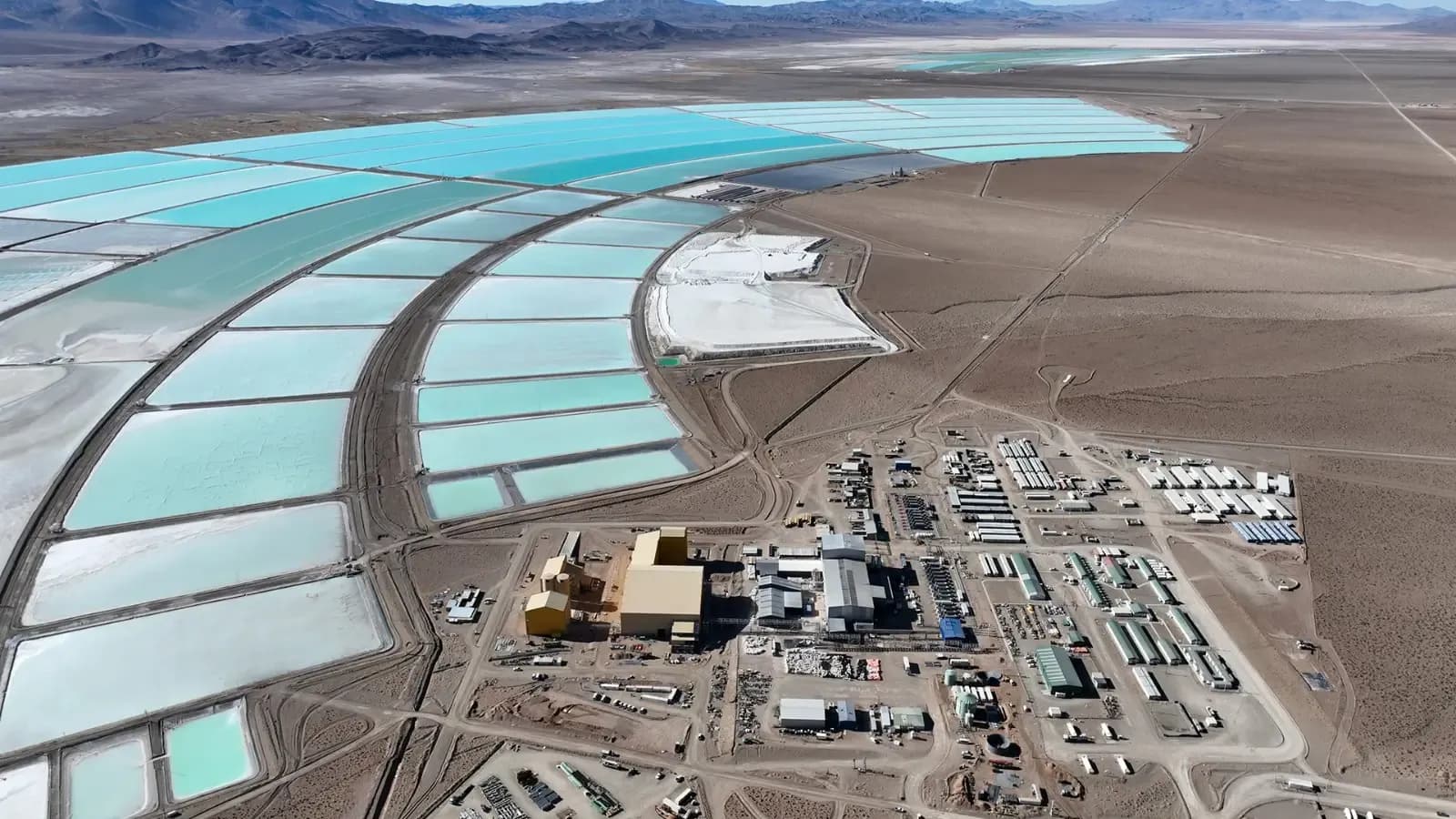
The company increased first-half lithium production by 53%, brought Fénix 1B and Sal de Vida into production ahead of schedule, and continues ramping up Rincón, the first mining project approved under Argentina's RIGI investment incentive regime.
Rio Tinto's second-quarter 2026 operational results underscore Argentina's growing role in the company's global lithium business. The miner reported a 53% increase in first-half attributable lithium production while advancing a portfolio of projects representing more than US$3.6 billion in committed investments across the country.
By Panorama Minero
Following the acquisition of Arcadium Lithium in 2025, Rio Tinto consolidated a portfolio in Argentina comprising Fénix, Sal de Vida, Rincón, Olaroz and Cauchari, positioning the country as one of the company's key growth platforms to supply the expanding global demand for battery minerals.
During the second quarter of 2026, Rio Tinto produced 14,600 tonnes of attributable lithium carbonate equivalent (LCE), representing a 20% year-on-year increase and a 15% improvement over the previous quarter. First-half production reached 27,300 tonnes LCE, up 53% compared with the same period in 2025.
Lithium Carbonate Drove Production Growth
Lithium carbonate accounted for most of the increase. Second-quarter production reached 13,900 tonnes, up 22% year-on-year and 12% from the first quarter. First-half output totaled 26,200 tonnes, representing a 69% increase compared with the first six months of 2025.
Lithium hydroxide production totaled 5,300 tonnes during the quarter and 10,900 tonnes in the first half, reflecting a 50% year-on-year increase. The company noted that these figures should not be added together, as a significant portion of the lithium carbonate produced is subsequently converted into hydroxide within its integrated processing chain.
Progress Across Argentine Operations
Rio Tinto reported significant progress across its three development projects in Argentina during the quarter. Fénix 1B entered production ahead of schedule, while Sal de Vida also achieved first production earlier than expected and continues its commissioning process.
At Rincón, the initial plant continued ramping up production, delivering 385 tonnes during the quarter while the company focused on stabilizing processing reactors. Located in Salta, Rincón became the first mining project approved under Argentina's Large Investment Incentive Regime (RIGI) and represents a US$2.744 billion investment to develop 60,000 tonnes per year of battery-grade lithium carbonate capacity.
Meanwhile, Fénix, located in Catamarca, is advancing a US$251.3 million expansion approved under the RIGI framework, which will add 9,500 tonnes per year of production capacity. Once completed, the operation will reach a total installed capacity of 38,000 tonnes per year.
Sal de Vida, also located in the Hombre Muerto Salar, continues to advance through a US$638 million investment submitted under the RIGI framework and reached first production during the second quarter ahead of schedule.
More Than US$3.6 Billion Committed in Argentina
Rio Tinto's committed investments in Fénix, Rincón and Sal de Vida now exceed US$3.63 billion. These projects complement the company's stake in Olaroz, one of the world's largest lithium brine operations, as well as the Cauchari project, both located in Jujuy Province.
According to the company, the combination of producing assets, industrial expansions and new developments positions Argentina as one of the main growth platforms within Rio Tinto's global lithium strategy.