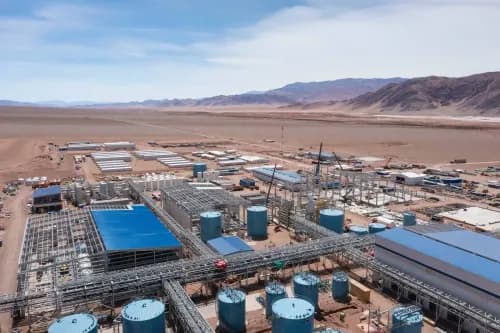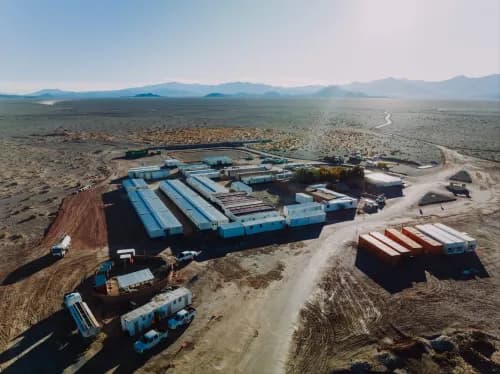
Canada-based NOA Lithium reported initial results from hydraulic testing at one of the new wells at its Rio Grande lithium project in Salta. Testing achieved pumping rates of approximately 25 liters per second (L/s), with a stable response as extraction rates increased.
By Panorama Minero
The results are significant when compared with the parameters previously used to assess the project’s development. According to the company, well RT-RG26-PW002 has a recommended operating rate of approximately 20 L/s, compared with the 15 L/s assumed in Rio Grande’s Preliminary Economic Assessment (PEA).
At that operating rate, the well maintains an efficiency of approximately 86%, which NOA Lithium said indicates effective utilization of the brine aquifer system’s productive capacity.
“Overall, the results support RT-RG26-PW002 as a high-performing well with conditions favorable for sustained operation,” the company said.
Further Testing as Rio Grande Advances Toward Prefeasibility
NOA Lithium is currently conducting a 48-hour continuous pumping test to gather additional information on aquifer performance. Brine samples have also been sent to a laboratory for analysis, with results expected in the coming weeks.
The well is located near DDH-RG23-004, where the company previously identified approximately 400 meters of brine with lithium concentrations above 600 milligrams per liter (mg/L) and a maximum concentration of 794 mg/L.
The new drilling program is designed to further evaluate deep brine-bearing aquifers and refine the project’s hydrogeological and resource models as technical and economic studies progress.
Gabriel Rubacha, CEO of NOA Lithium, said the initial results “demonstrate excellent well performance and support the productive potential of the aquifer system in this area of the Rio Grande Project.”
“Achieving pumping rates above the assumptions used in the Preliminary Economic Assessment (PEA), while maintaining a stable hydraulic response, is an important technical result as we continue advancing toward the Prefeasibility Study (PFS),” he added.
Rubacha said the 48-hour test and laboratory analysis of the brine samples will provide additional data to further refine the hydrogeological model and support the next stage of technical work.
Rio Grande, NOA Lithium’s Flagship Asset
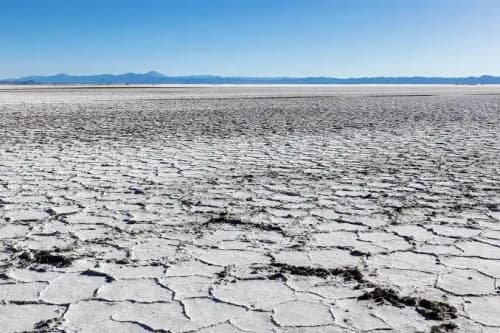
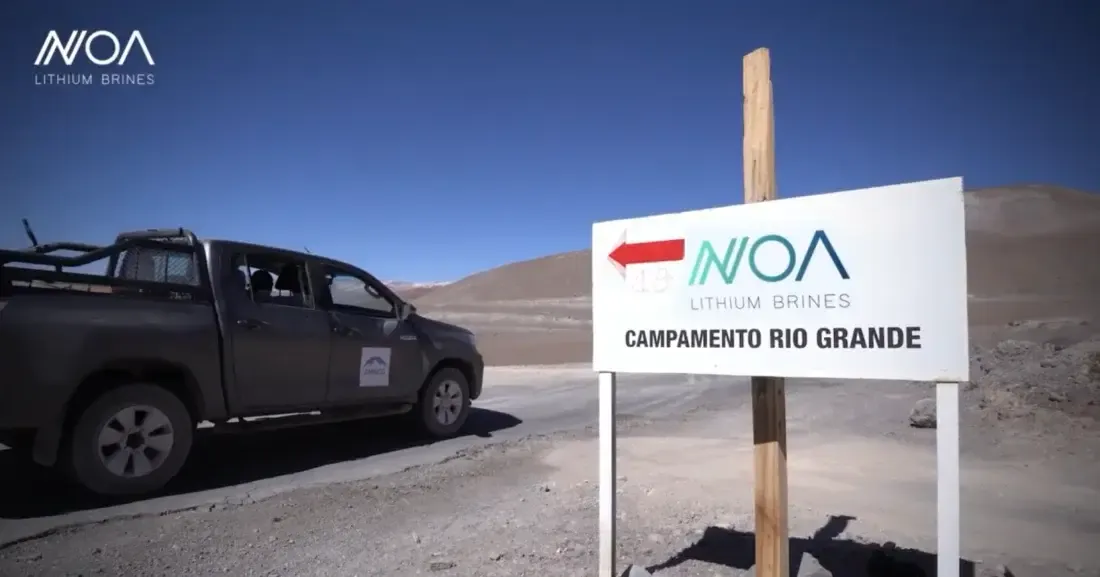
Located approximately 3,600 meters above sea level, Rio Grande is NOA Lithium’s flagship project in Argentina and covers approximately 37,000 hectares.
The project has an estimated resource of 4.7 million tonnes of lithium carbonate equivalent (LCE), with an average lithium concentration of 525 mg/L. Between 2023 and 2024, the company completed a five-hole diamond drilling program.
In addition to Rio Grande, NOA Lithium is advancing the Arizaro and Salinas Grandes lithium exploration projects, also located in the Puna region of Salta. Together, the three assets cover approximately 140,000 hectares.
Shares Issued for Technical Services
The company also reported that between June and September it issued 2,427,938 common shares under previously disclosed service agreements with Hatch Ltd. and Tricone Inc.
The shares were issued through five transactions between July and September at prices ranging from C$0.202 to C$0.25 per share.
According to NOA Lithium, the services contracted from Hatch were related to the Pre-PFS Process Development Study and have been completed.
The agreement with Tricone covers exploration consulting services and is 44% complete. The company also said the transactions received conditional approval from the TSX Venture Exchange.