Río Negro is entering a period of expanding mining activity following several years of regulatory changes, investment promotion and engagement with local communities. The province currently has 60 metals and energy-mineral projects, while Calcatreu has emerged as the leading example of a new production phase and other developments are advancing in iron, uranium and vanadium.
By Panorama Minero
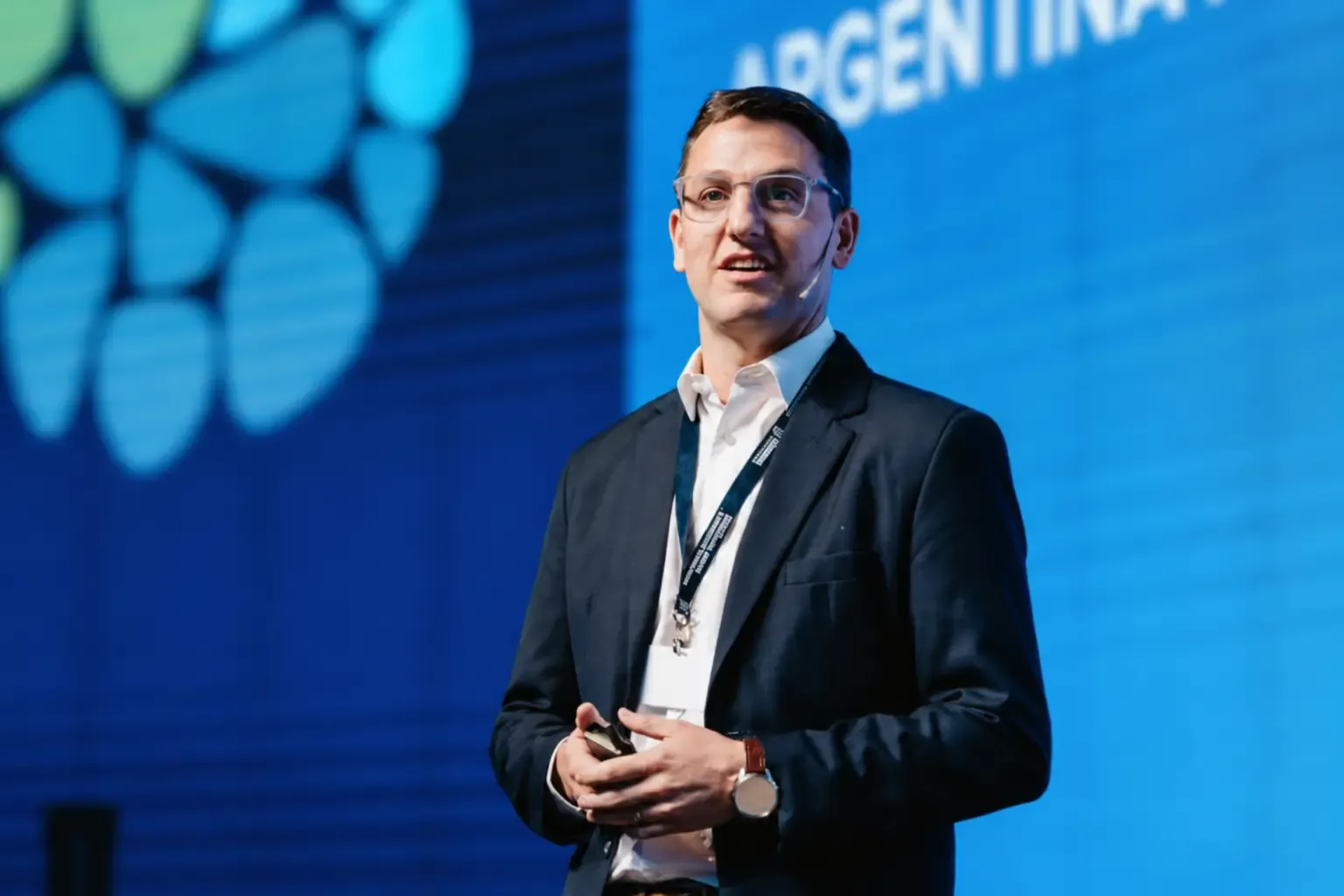
Joaquín Aberastain Oro was appointed Río Negro’s Secretary of Mining in December 2019 under the administration of former governor Arabela Carreras and remained in the position under current governor Alberto Weretilneck. Since then, Río Negro has amended its mining procedures, joined Argentina’s Large Investment Incentive Regime (RIGI) and expanded the number of companies and projects operating across the province.
In an interview with Panorama Minero, Aberastain Oro reviews that process and looks at what comes next: the consolidation of Calcatreu, increasing exploration activity across the Línea Sur region and the progress of projects involving strategic minerals.
How did Río Negro position itself as a province with a growing mining sector?
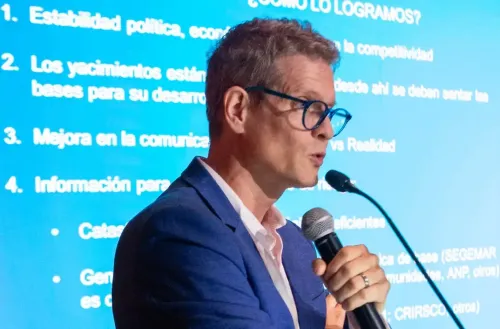
It was a long process that we carried out with responsibility, predictability and professionalism. I always remember our first participation at PDAC in 2021 because that was where we presented a roadmap for the development of mining in Río Negro, with a series of very specific objectives.
One of the main priorities was strengthening legal certainty. To that end, we moved forward with amendments to the Mining Procedures Code and established a framework for fiscal stability. Later, Río Negro’s accession to the RIGI was added to that framework. At the same time, we worked to build trust with the people of Río Negro and strengthen environmental oversight standards.
At the time, we arrived at PDAC with a relatively small project portfolio, but with enormous geological potential and a clear political decision to develop the sector. Over the years, we maintained that direction, and many of the objectives we presented back then are now reflected in concrete projects and investments. For us, that demonstrates the importance of maintaining predictable rules and a mining policy that provides continuity over time.
How is that process reflected in the province’s project portfolio today?
We currently have around 60 metals and energy-mineral projects, backed by capital from different countries and at different stages of development.
The portfolio includes gold, silver, lead, iron and zinc, as well as rare earth occurrences and projects involving lithium, uranium and vanadium. These range from early-stage prospecting to projects already in production.
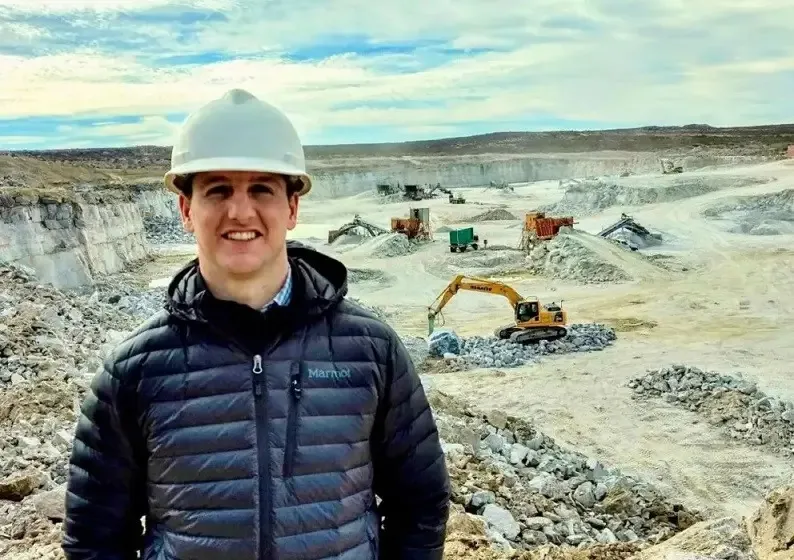
Calcatreu marks an important change as Río Negro’s metals mining sector moves into a new phase. What does the project represent for the province?
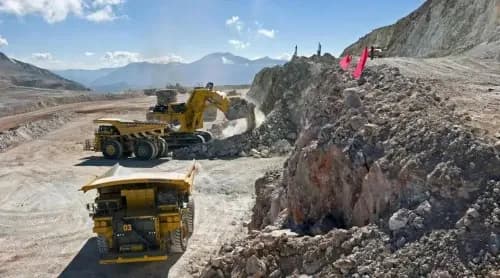
From the beginning, we were convinced that we wanted to develop mining, and we knew Calcatreu could become our flagship project.
The project went through a process of engagement with local residents, the Indigenous community, the municipality and different institutions. A free, prior and informed consultation process was conducted, followed by a public hearing.
Calcatreu also has particular significance for Ingeniero Jacobacci and for the province as a whole. Twenty years ago, in a very different context, the debate surrounding the same project led to restrictive mining legislation that was later repealed. Its development today therefore represents an important shift from that period and opens new prospects for mining in the region.
The public hearing also showed interest from other communities in the region. Could Calcatreu have a broader impact on mining development across the Línea Sur?
The public hearing was positive, but it also involved making a number of commitments. Developing mining in Río Negro requires honoring agreements, meeting standards and procedures, and prioritizing local workers and suppliers during construction and production.
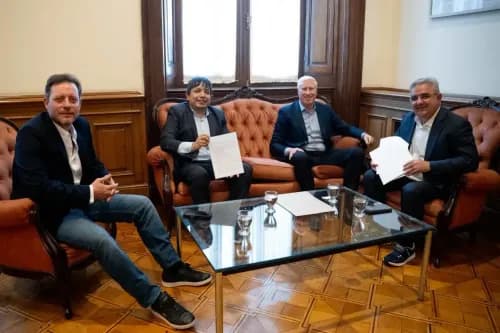
Those commitments have to be sustained over time. We recently had a temporary suspension at Calcatreu, and an agreement was reached quickly through dialogue among the company, labor unions, the municipality, the provincial government, the Indigenous community and business chambers.
If commitments are made regarding local hiring, local procurement or operating procedures, they have to be honored. Otherwise, the sector loses credibility. Río Negro wants more mining, in more communities and with more projects. For that to happen, consistent rules and compliance with commitments are just as important as the willingness to invest.
What other projects could expand mining activity across the Línea Sur in the coming years?
Exploration activity is growing, and we are seeing an increasing number of campaigns taking place simultaneously across the province.
Calcatreu is our flagship metals mining project, but we also have an iron project in production near Sierra Grande that supplies the domestic market.
We also have a uranium-vanadium project advancing through feasibility studies. The objective is to complete metallurgical studies, environmental and radiometric baseline work, and move forward with project engineering.
For Río Negro, this could be particularly significant because of the expertise already present within Argentina’s nuclear sector. If a project of this kind reaches production, it could contribute not only to uranium mining but also to a broader value chain linked to nuclear fuel production in Argentina.
How are you preparing for the potential development of that project?
From our perspective, and considering the way we want mining to develop, the priority is to respect the timelines inherent to any mining project. Investment, exploration campaigns and their results are progressive, and we do not want to create expectations before sufficient information is available. Time, investment and sound management are what allow projects to take that next step and advance to subsequent stages.
We do want to highlight the technical work being carried out by Ivana Minerales S.A., as well as its engagement with the provincial government, the municipality and local communities. We have established a working group involving the main stakeholders to anticipate future needs in areas such as employment, procurement, occupational health and safety, and communications.
The idea is to prepare in advance for the demands the project could generate if it continues to move forward.
Another initiative being promoted by the province is the Geological Interpretation Center in Los Menucos. What role will it play?
It is a joint cultural initiative between the municipality and the provincial Mining Secretariat. The Línea Sur has the highest concentration of mining projects in Río Negro and, at the same time, significant geological, landscape and tourism assets.
Historically, the region has relied on livestock farming and tourism, with mining gradually becoming another part of its economy. The Interpretation Center and a future geotourism route will help showcase that heritage.
The idea is that people traveling along Route 23 can learn about the region’s geology, understand how its landscape was formed, discover its mining history and gain a better understanding of how mining projects operate and what they contribute to local communities. It can also serve as a tool for providing information about an industry that is still relatively young in Río Negro.
After several years of this process, what do you consider necessary to consolidate mining as a long-term economic activity in the province?
Mining development requires coordination with all stakeholders from the outset. That means clear and predictable rules, openness to dialogue and the ability to uphold the commitments that are made.
Río Negro has learned from the experience of other mining provinces in Argentina, which has helped shorten the learning curve. The challenge now is to maintain that trust and demonstrate that mining can be developed to appropriate standards while involving local communities, workers and businesses.
Our objective is to continue promoting investment and advancing new projects that can translate into greater economic activity and employment for the people of Río Negro.