From ArCham, its President Darío Bongiovanni highlights the bilateral growth in education and points to Western Australia as a mining model. Connectivity remains a pending challenge.
By Panorama Minero
How would you define the current business situation between Argentina and Australia?
What we observe from the Chamber is a positive movement in relations between Argentina and Australia, especially over the last two years, with the RIGI as the basis for enormous potential. The two largest companies in the world, Rio Tinto and BHP, are in Argentina, and that is very important for us.
Mining, obviously, is driving most of this positive outlook in the relationship between the two countries, but we also see much more interaction, with many more Argentinians seeking business opportunities, Australians asking about opportunities in Argentina, and better interrelation between diplomatic bodies. From what we observe, this is a positive trend, especially in the last two years.
What are the main sectors in this Argentine-Australian economic exchange? What projections are seen?
If we talk specifically about mining, there are two main lines. The first consists of investments from large Australian mining companies and some smaller explorers looking for opportunities in Argentina; the first with very large projects, and the explorers mostly targeting copper, some lithium, and also some uranium. These are the three minerals being discussed.
On the other hand, there are SMEs (Small and Medium-sized Enterprises), manufacturers, and equipment companies seeking opportunities in the Australian market. This is perhaps on a somewhat smaller scale, also depending on the country’s current capacity. But we are also seeing examples of Argentine companies attending events like IMARC to look for partners or opportunities.
Do you think mining can completely transform the bilateral relationship between both countries?
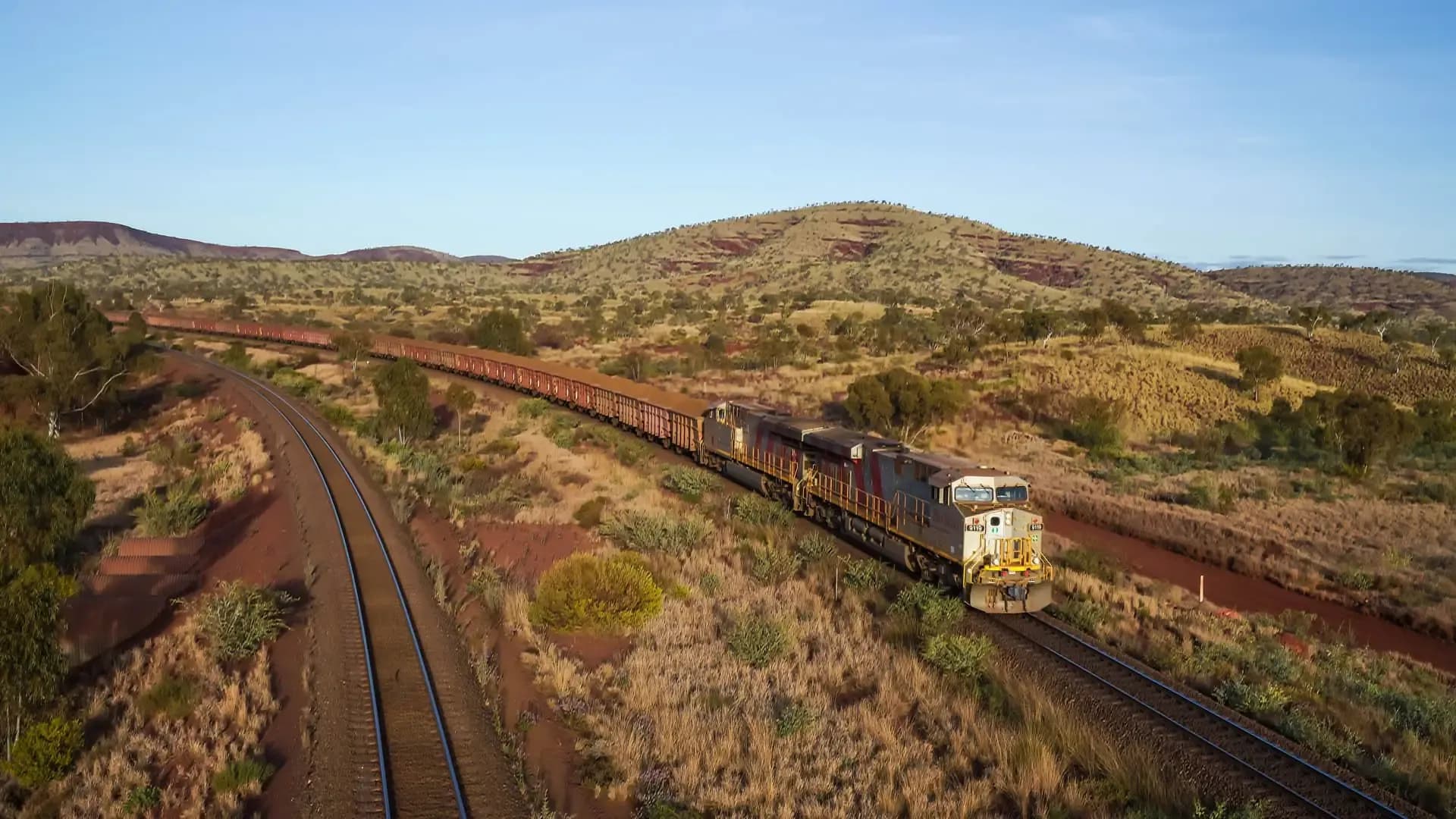
Yes, absolutely. I am based in Perth, Western Australia, where the headquarters of these companies are located. What we do know, from the way these large companies operate, is that once they arrive in the country, expectations need to be well framed, since it could take 10 years from now until the mining boom occurs. These are the timelines of mining. I experienced the mining boom in Western Australia, and the amount of work, money. The growth Perth has had from 2010 until now is incredible.
This brings many benefits but also a large number of challenges because the city grows, many people from other places come to work, as the local workforce is not enough. Based on that experience, I can foresee a very positive and promising future for Argentina.
Is Western Australia a model for Argentina to follow?
I think Western Australia has some very positive aspects to emulate, but also others that serve as lessons on what not to copy. What I tell people working in mining in Argentina, and the politicians responsible for mining policies, is to come to Australia, to Western Australia, spend time there, learn how things work, copy what works, and avoid what doesn’t.
This is because there are 40–50 years of experience in a state very similar to the challenges we face in Argentina: long distances, a small population in remote areas, desert-like environments, and coexistence of viticulture and agriculture alongside mining, as well as the water challenge.
Therefore, the challenges are very similar, and the solutions are also similar.
What is the cultural and educational exchange between Argentina and Australia?
Since 2019, when the agreement between Argentina and Australia was signed, the Working Holiday program was opened, allowing approximately 5,000 Argentinians per month to work and study in Australia. We have observed growth in the number of Argentinians in Australia: talented young people who do not necessarily come to stay, as many come to gain experience, learn English, and then return—which is very positive because Argentina needs this experience and exchange.
My recommendation to anyone finishing school, even high school, is not to immediately enter university, but to travel, learn, and then return to study, because that experience is invaluable.
Connectivity between the two countries remains a major challenge. Do you see progress in this area?
Obviously, distances work against us, but from the Chamber, we are working to secure more direct flights between Australia and Argentina, including one direct flight between Perth and Buenos Aires. Our vice president will soon travel to China to talk with Southern Airlines to try to convince them to increase that connectivity.
Who are the members of ArCham?
ArCham is composed of businesspeople with current companies or individuals who have retired but wish to contribute. We all work on a voluntary basis; this is a voluntary Chamber, and our main interest is to increase and improve these connections and open business opportunities between the two countries.
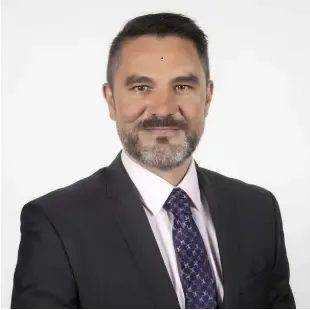
About Darío Bongiovanni
Originally from Jovita, an agricultural-livestock town in southern Córdoba, Darío Bongiovanni graduated in Industrial Engineering in the city of Córdoba.
He began his professional career in the oil sector more than 20 years ago, having worked in seven countries, and currently works independently with his own company, based in Perth, Western Australia.