A technical survey carried out at the Andacollo metalliferous project confirmed the existence of infrastructure, equipment, and geological material that could enter a judicial auction process following the bankruptcy of Trident Southern Explorations. The verification forms part of the trusteeship tasks aimed at organizing the physical inventory of the deposit and evaluating the real condition of the assets after more than five years of operational standstill, a step considered key before moving forward toward a new stage of bidding for the project.
By Panorama Minero
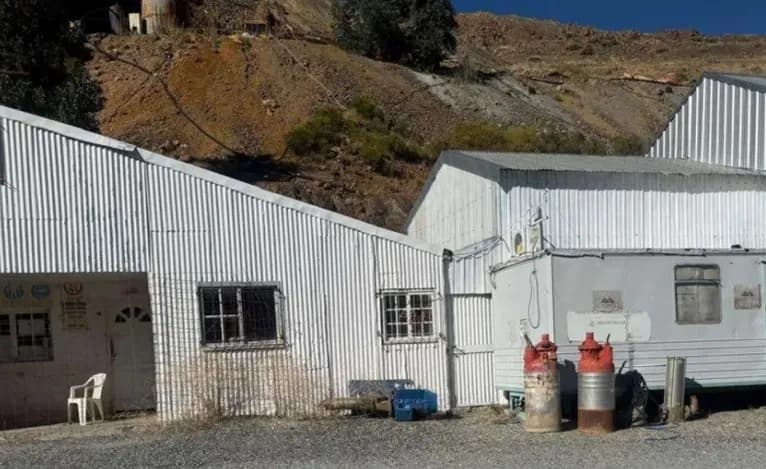
The technical report describes a scenario of “preserved stand-by,” where the operation maintains recoverable elements from a mining standpoint. Among them are identified heavy machinery, support facilities, spare parts, and a processing plant with an associated laboratory, in addition to vehicles linked to the previous stage of exploitation. For sectoral analysis, the existence of these assets reduces the starting point for a future operator, since part of the infrastructure remains available and under custody.
During the inspections, the presence of earthmoving equipment, technical warehouses, and areas intended for spare parts storage was verified, together with transport units that have remained out of service since the project’s stoppage. Although several vehicles show deterioration due to lack of use, the survey indicates that the general condition is acceptable and that the basic maintenance of the site made it possible to preserve operational value in most of the assets.
From a technical perspective, the eventual auction would not only have financial impact within the insolvency process, but also on the future configuration of the project. The availability — or not — of machinery and facilities could directly influence the initial capital design (CAPEX) that any new investor interested in resuming the gold initiative in northern Neuquén will have to consider.
Geological Cores and Processing Plant
One of the central axes of the survey was the inspection of the core repository and the mineral processing circuit. The drilling samples and associated records constitute part of the accumulated exploration history and represent a relevant technical asset for future geological reinterpretations. However, the report indicates that a rise of the Río Neuquén recorded in 2023 affected part of the stored material, with estimated losses close to 10%, which could require additional revisions of the geological model if the project advances toward new campaigns.
The presence of laboratory and plant suggests that Andacollo preserves an operational base that, although it requires updating, could facilitate metallurgical evaluation processes in early stages. In strategic terms, this type of infrastructure is usually decisive in shortening timelines between advanced exploration and a possible productive reactivation.
Site custody and transition toward a new management scheme
The technical report also highlights that the preservation of the site was considered adequate, with safeguarded assets and sustained minimum maintenance. This point is relevant for the province of Neuquén, which seeks to organize the scenario following the exit of Trident and move forward toward a new project license under new contractual conditions.
In parallel, the provincial debate on the reorganization of the role of the state mining company and the processes of opening to private capital once again places Andacollo within a broader strategy of redefining the productive model. The possibility of advancing toward schemes of greater private participation or corporate reconfigurations — in line with discussions on modernization and possible partial privatization of assets linked to mining management — appears as a factor that could accelerate investor interest if a more competitive regulatory framework is consolidated.
Beyond the judicial process, the survey confirms that Andacollo maintains technical conditions that sustain it within the regional metalliferous map. The combination of existing infrastructure, accumulated geological information, and the provincial intention to reposition the project suggests that the eventual auction of assets does not represent a definitive closure, but rather a stage of transition toward a new operational scheme that could redefine the future of the only large-scale gold experience in Neuquén.