Potash and lithium projects follow a regulatory pathway distinct from that of metal mining, with administrative environmental assessment and public participation serving as the central approval mechanisms.
By Panorama Minero
The progress of the Potasio Cancambria project following its public hearing has once again highlighted a key feature of Mendoza’s mining framework that is often blurred in public debate: saline mineral projects operate under a different regulatory track, where the emphasis is not on legislative or political approval, but on technical environmental evaluation and the early construction of social license.
The outcome of the Cancambria hearing—where more than 90% of submissions were supportive—not only reflects backing for a specific potash exploration initiative, but also confirms a broader pattern seen in similar projects. This was also evident in Don Luis, a lithium brine exploration project that, weeks earlier, underwent a public hearing in southern Mendoza with comparable levels of support.
Public hearings as the cornerstone of the process
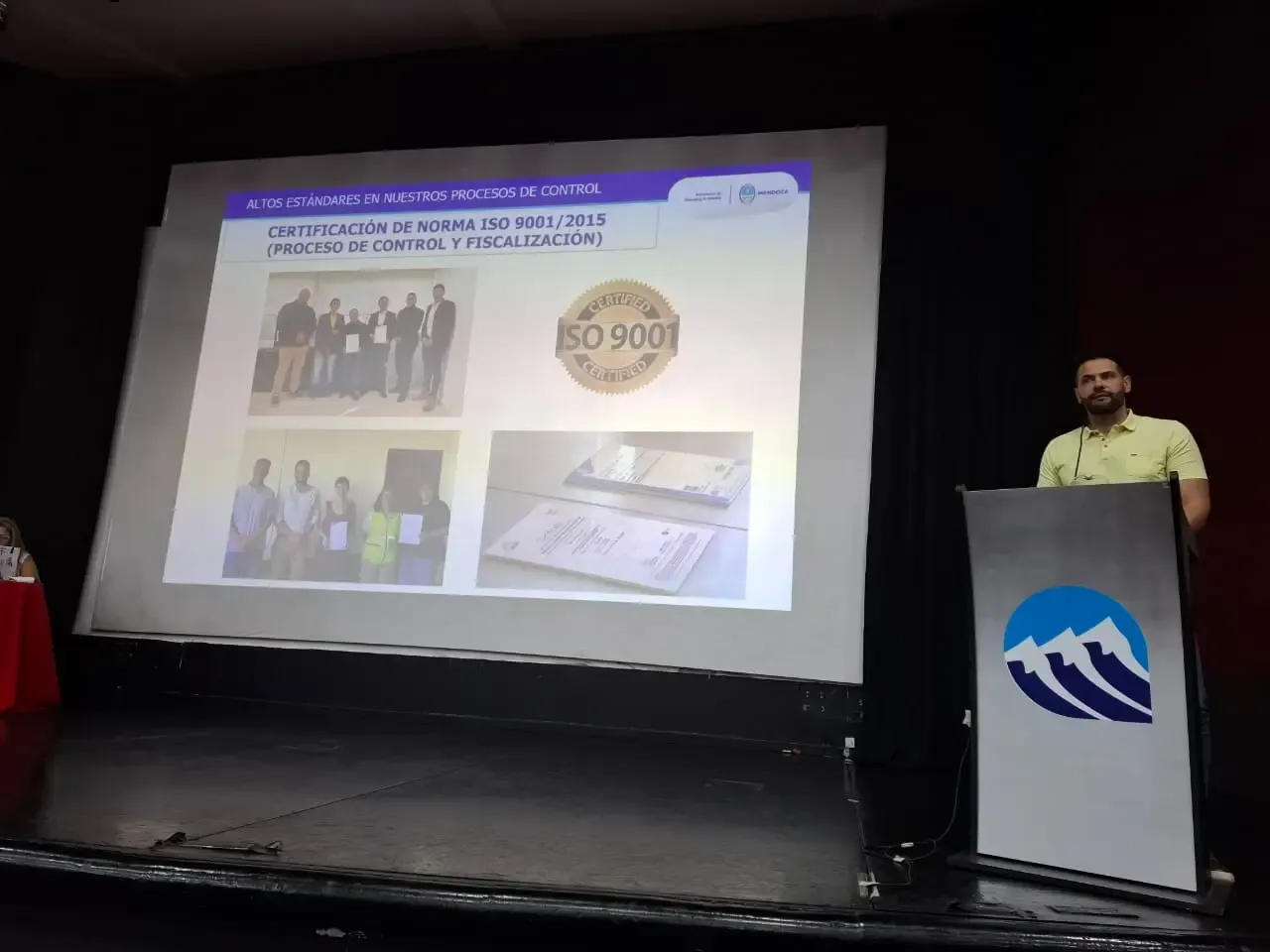
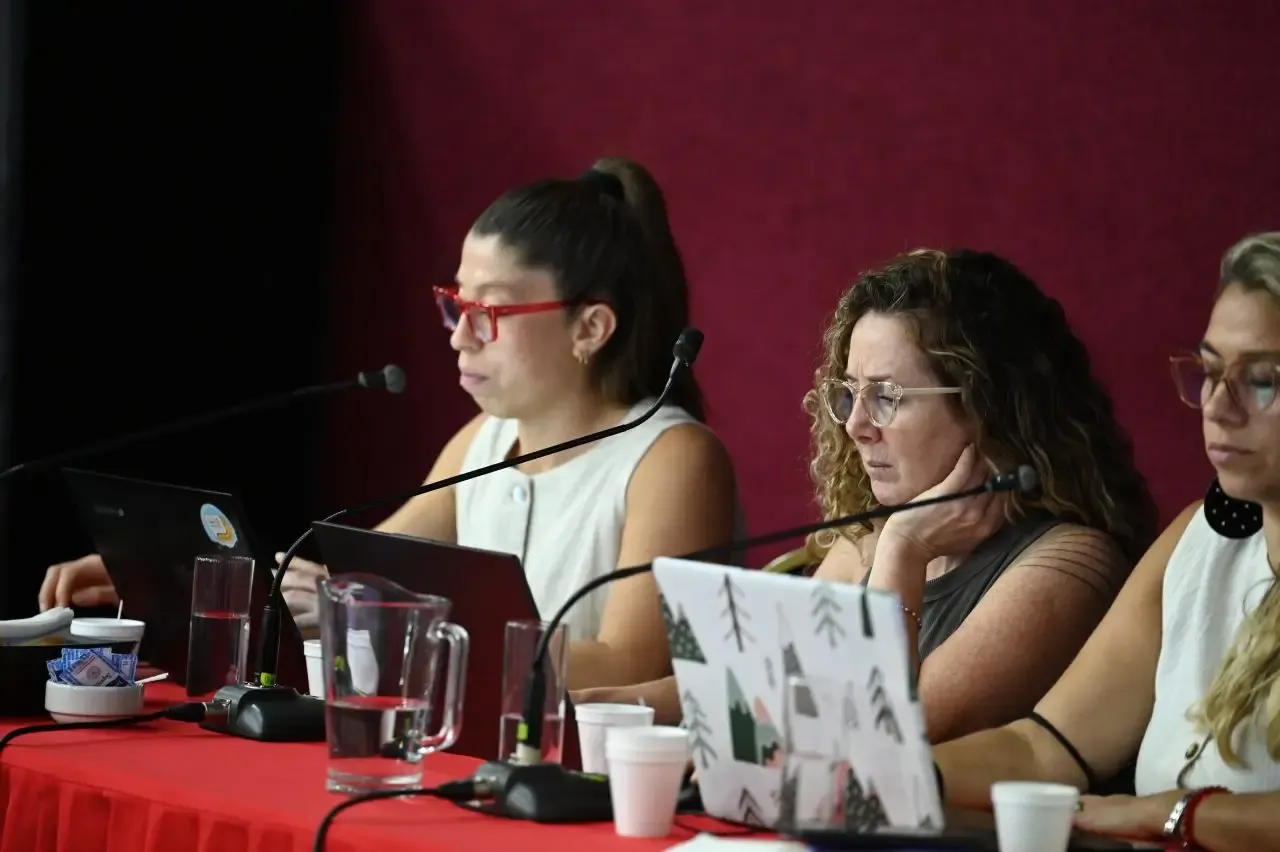
In both Cancambria and Don Luis, the public hearing served as the central validation mechanism. These hearings were organized by the Mining Environmental Authority, using a hybrid format that ensured access to technical documentation and effective participation by local communities, productive sectors, and institutional stakeholders.
This distinction is significant. Unlike large-scale metal mining projects subject to Law 7,722, saline mineral initiatives—such as potash and lithium—do not require legislative approval. Oversight is concentrated on the Environmental Impact Report, sector-specific technical opinions, and the public participation process, which plays a critical role in building trust from the earliest stages.
Under this framework, social license is not treated as a late-stage corrective, but rather as a condition that is developed from the outset of the project lifecycle.
The Don Luis case confirms the pattern
The Don Luis lithium exploration project followed the same administrative and social pathway as Cancambria. Its public hearing also recorded more than 90% favorable inputs, with strong local participation and a discussion focused on technical, environmental, and territorial considerations.
The similarities between both processes are not coincidental. In Mendoza, saline minerals are governed by a differentiated regulatory regime that acknowledges both their relatively lower impact profile and the need to evaluate them under specific technical parameters, without transferring the discussion to the legislative or political arena.
As a result, Cancambria and Don Luis serve as reference cases for a model that prioritizes environmental oversight, public information, and citizen participation over political endorsement.
PRC: Outside the Legislature, yet still at a standstill
The inevitable contrast emerges with Potasio Río Colorado (PRC). Like Cancambria and Don Luis, PRC was not reviewed by the Legislature and is not subject to Law 7,722. However, its situation is markedly different: the project remains stalled, with no structural decisions enabling progress toward development.
The difference lies not in the legal framework, but in the scale and complexity of the undertaking. PRC is a mega-project requiring heavy infrastructure—railways, power systems, and road access—whose feasibility depends on large-scale logistical and financial decisions. The failure to resolve these constraints compounded by a history of mismanagement and shifting strategies, has turned potash into one of Mendoza’s most significant unresolved mining challenges.
This contrast reinforces a key takeaway: it is not political approval that determines whether a project advances or stalls, but rather its technical design, scale, and ability to address its structural constraints.
Two models, two timelines
While PRC remains tied to issues that extend beyond environmental considerations, projects such as Cancambria and Don Luis are moving forward at early stages, with clearly defined objectives, established procedures, and transparent oversight frameworks. They do not compete with one another, but instead illustrate two distinct approaches to developing the same type of resource.
In this sense, Cancambria’s progress should not be viewed as an isolated event, but as part of a broader strategy through which Mendoza is beginning to organize its mining agenda by distinguishing between mineral type, project scale, and impact level.
A clear message for Mendoza’s mining landscape
The trajectory of saline mineral projects sends a clear signal: in Mendoza, not everything passes through the Legislature, and not all mining projects follow the same path. In the case of potash and lithium exploration, the key factors are technical rigor, environmental evaluation, and early social license.
Cancambria and Don Luis demonstrate that when these elements are aligned, projects can advance without political turbulence. At the same time, they serve as a reminder that the challenges facing mining in Mendoza have not always stemmed from legislation, but often from how projects were designed and managed.