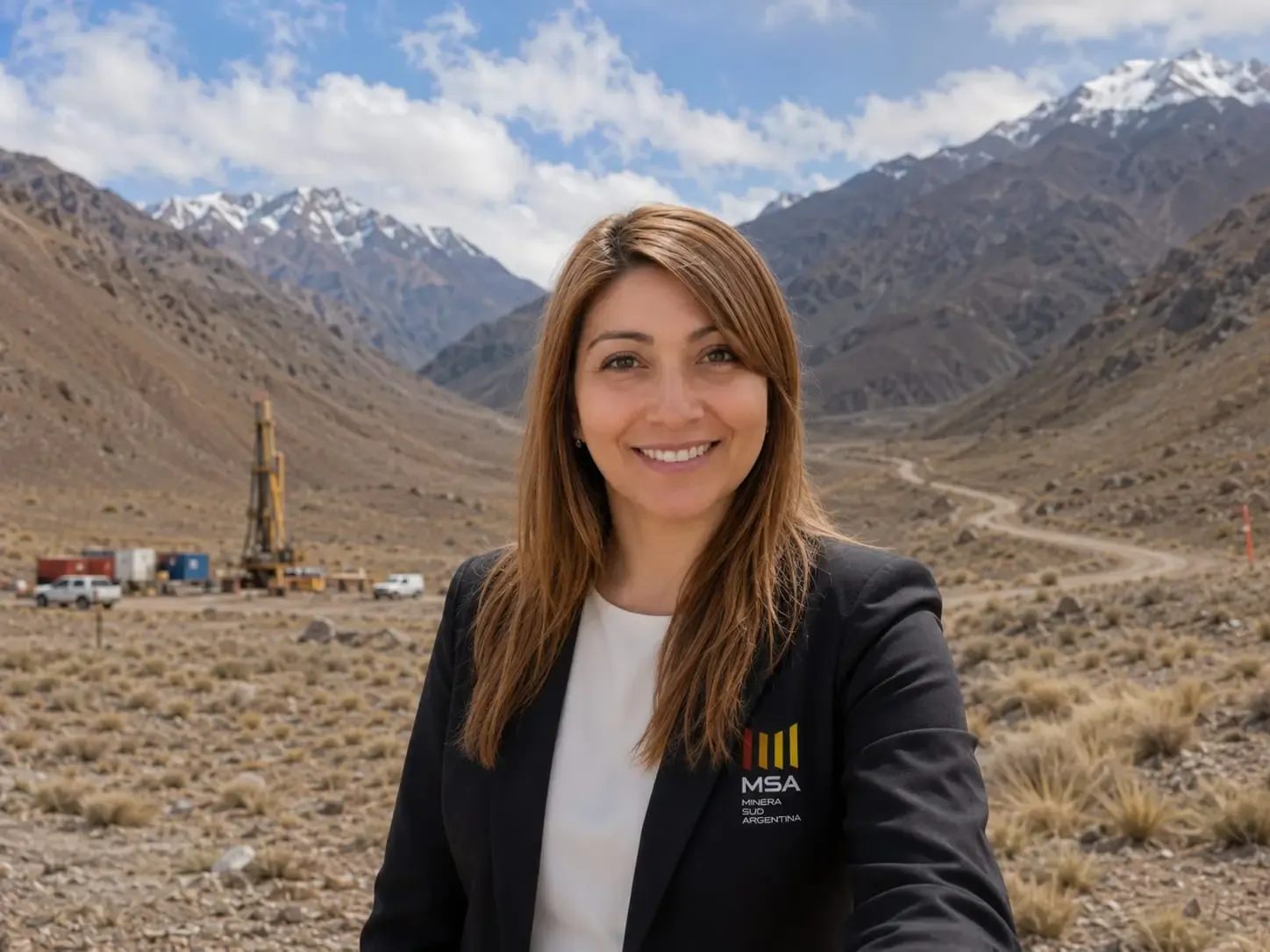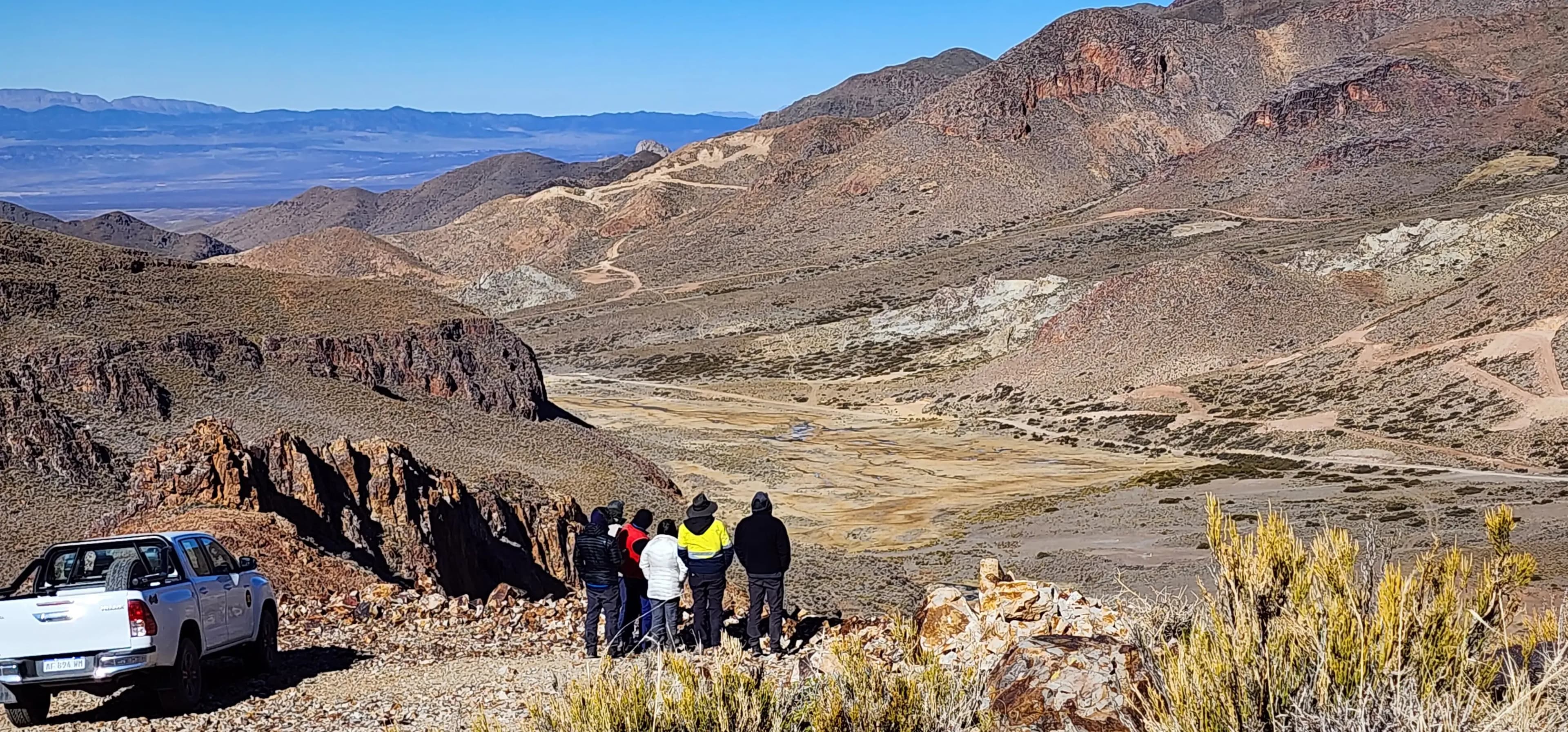
José Cepeda, CEO of Minera Sud Argentina S.A., discusses the technical progress of the Chita Valley Project in San Juan Province.
By Panorama Minero
How would you describe the past year at Chita Valley? What has the project achieved?
Following the initial Mineral Resource Estimate for Chinchillones, we identified significant growth potential. We increased the initial resource by nearly 30% and updated the Chita Sur (PSU) deposit, which grew from approximately 40 Mt, as defined in 2016, to nearly 170 Mt.
With this update, the project now exceeds 1.2 billion tonnes of mineralized material at an average grade of approximately 0.3% copper equivalent. We also identified significant precious metals credits, including between 170 and 180 million ounces of silver and nearly 3 million ounces of gold. This is particularly important because Chinchillones is a polymetallic deposit, offering an attractive combination of copper, silver and gold.
What are your plans for 2026?
Our objective is to continue expanding the Mineral Resource while simultaneously advancing technical studies. We are currently conducting surface exploration to generate new drilling targets in areas adjacent to the known deposits.
At the same time, we are carrying out environmental baseline studies, particularly those related to water resources, to determine water availability, potential supply sources and the requirements for future stages of project development.
Are you planning additional drilling?
The project has now accumulated more than 110,000 metres of drilling. We are currently evaluating a program of 9,000 to 10,000 metres, focused on areas adjacent to the existing Mineral Resources, with the objective of rapidly adding new Mineral Resources.
In parallel, we are assessing regional exploration programs aimed at generating new exploration targets to support the district's long-term growth.
Is it already possible to evaluate the project's economic parameters?
The continued growth of the Mineral Resource is allowing us to begin a preliminary assessment of the project's economic fundamentals. In this regard, we benefit from several important advantages, including existing infrastructure, nearby access to power, favourable operating conditions resulting from the project's relatively low elevation, and its proximity to the city of San Juan.
From a metallurgical perspective, does the project contain leachable copper?
At PSU, we have identified a leachable copper deposit formed through geological processes different from those at Chinchillones. It is located relatively close to surface and features a low stripping ratio, making it a potential opportunity for a relatively rapid development scenario.
The metallurgy of the leachable zone is not considered particularly complex. At Chinchillones, we are evaluating a conventional flotation process to produce copper concentrates with their associated metal credits. We are also assessing alternatives to recover specific products, particularly zinc and molybdenum, with the aim of maximizing the project's overall value.
Does the presence of arsenic represent a significant challenge?
As is the case with many deposits in San Juan, arsenic is present, although technological advances have significantly improved the industry's ability to manage this type of challenge.
Regarding zinc, the polymetallic nature of the deposit allows us to identify areas with varying zinc grades, which is an important consideration in the future evaluation and planning of the Mineral Resource.
How do you assess the project's infrastructure?
Infrastructure is one of the project's greatest strengths. There are nearby railway alternatives, as well as logistics options providing access to both the Atlantic Ocean and the Pacific Ocean. The ability to connect to multiple export corridors represents a significant strategic advantage for the future development of the operation.
What is currently the project's main challenge?
The sustained growth of our Mineral Resources is encouraging us to further intensify exploration. We have gained a much better understanding of the mineralizing systems present throughout the district, enabling us to identify new exploration opportunities.
Our challenge now is to continue expanding the Mineral Resource base while further improving our geological understanding of the district.
Training and Community Engagement Drive Minera Sud Argentina's Social Strategy
Beatriz Torrezan, Head of Corporate Affairs, outlines the company's initiatives in Villa Iglesia, Bella Vista and Las Flores.
How do you manage community expectations?
We maintain a relationship built on transparency. Before each exploration campaign, we hold information meetings with local communities to explain the planned activities, their scope and to answer any questions.
We are clear that the project remains at the exploration stage, and we make every effort to avoid creating expectations that are not supported by the project's current level of development.
What types of social investment programs are you implementing?
We promote initiatives focused on education and skills development, primarily in Villa Iglesia, Bella Vista and Las Flores. We have implemented training programs in robotics, computer programming, electrical systems, occupational health and safety, with particular emphasis on young people and women.
Our objective is to strengthen skills that can support employment opportunities not only in the mining industry, but also in other economic activities that will contribute to the region's long-term development.