Amid a climate of pronounced volatility in key energy transition metals, the latest reports from S&P Global Platts present mixed signals for lithium, cobalt, and recyclable materials such as black mass. These market fluctuations are directly affecting ongoing projects in Argentina — a critical player in the global lithium supply chain.
By Panorama Minero
Lithium Market: Bearish Pressure in Asia and Caution in Europe
Lithium carbonate prices in China fell below ¥70,000/mt for the first time since 2021, with market indications pointing even lower. This decline in demand, confirmed at the recent industry conference in Suzhou, contrasts with an unprecedented development in Europe, where lithium carbonate and hydroxide reached price parity — driven more by supply constraints than by demand recovery.
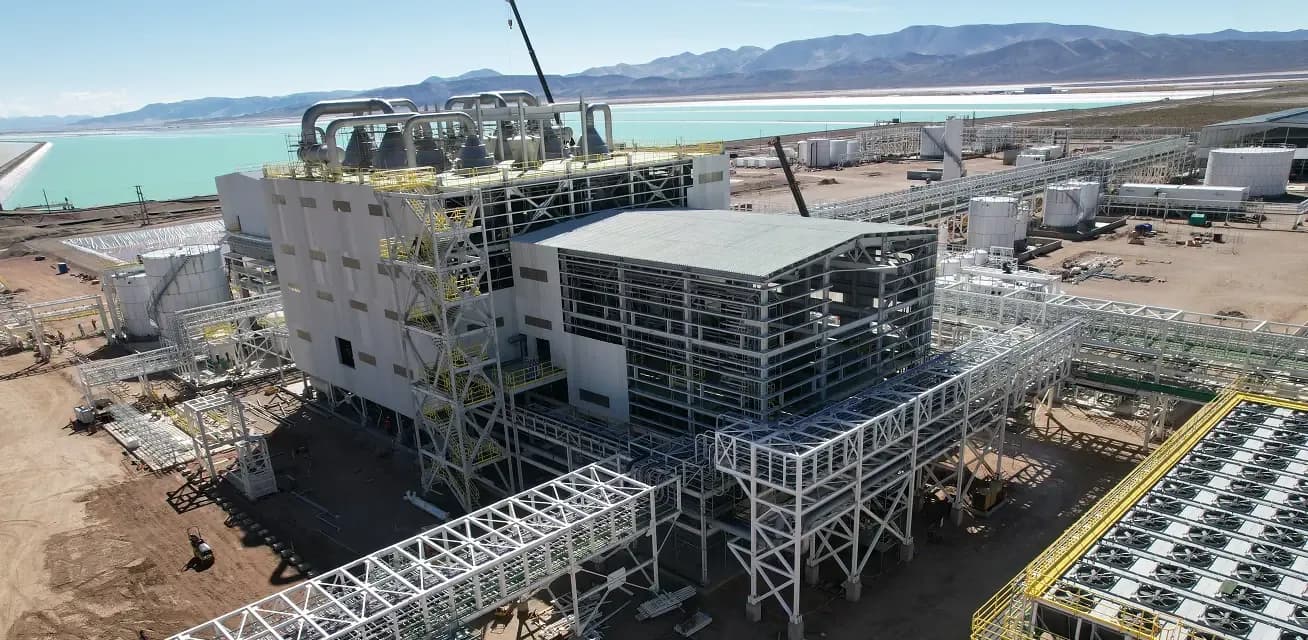
These dynamics signal a correction phase in the lithium market, coinciding with South Korea’s POSCO delaying completion of its facilities at the Salar del Hombre Muerto brine project in Argentina until 2026. This delay may open a strategic window for other local and international players looking to consolidate their presence in the Lithium Triangle.
Recycling and Regulation: The Black Mass Challenge in Europe
The European black mass market — which involves recycled battery material containing nickel and cobalt — has remained stable but faces a new regulatory hurdle. The European Union has reclassified black mass as "waste," restricting exports to OECD countries and effectively excluding China. This policy is squeezing margins for European operators and could reshape global value chains, potentially creating opportunities for on-site recycling in regions developing electric mobility projects.
Cobalt Steadies in Asia Amid Congo Export Ban
In China, prices for cobalt sulfate and hydroxide have remained firm despite cautious sentiment. The Democratic Republic of Congo — the world's main supplier — has enforced an export ban that continues to restrict global supply. This situation highlights the urgent need to diversify sources of critical minerals, where untapped mining regions such as Argentina could play a growing role in the medium term.
Implications for Argentina
The insights shared by Platts underscore a pivotal moment for Argentina’s mining sector. Price volatility and the strategic decisions of major Asian firms like LG and POSCO present logistical, financial, and regulatory challenges. Yet, they also open unique opportunities for resilient projects capable of adapting to the evolving global battery supply chain landscape.