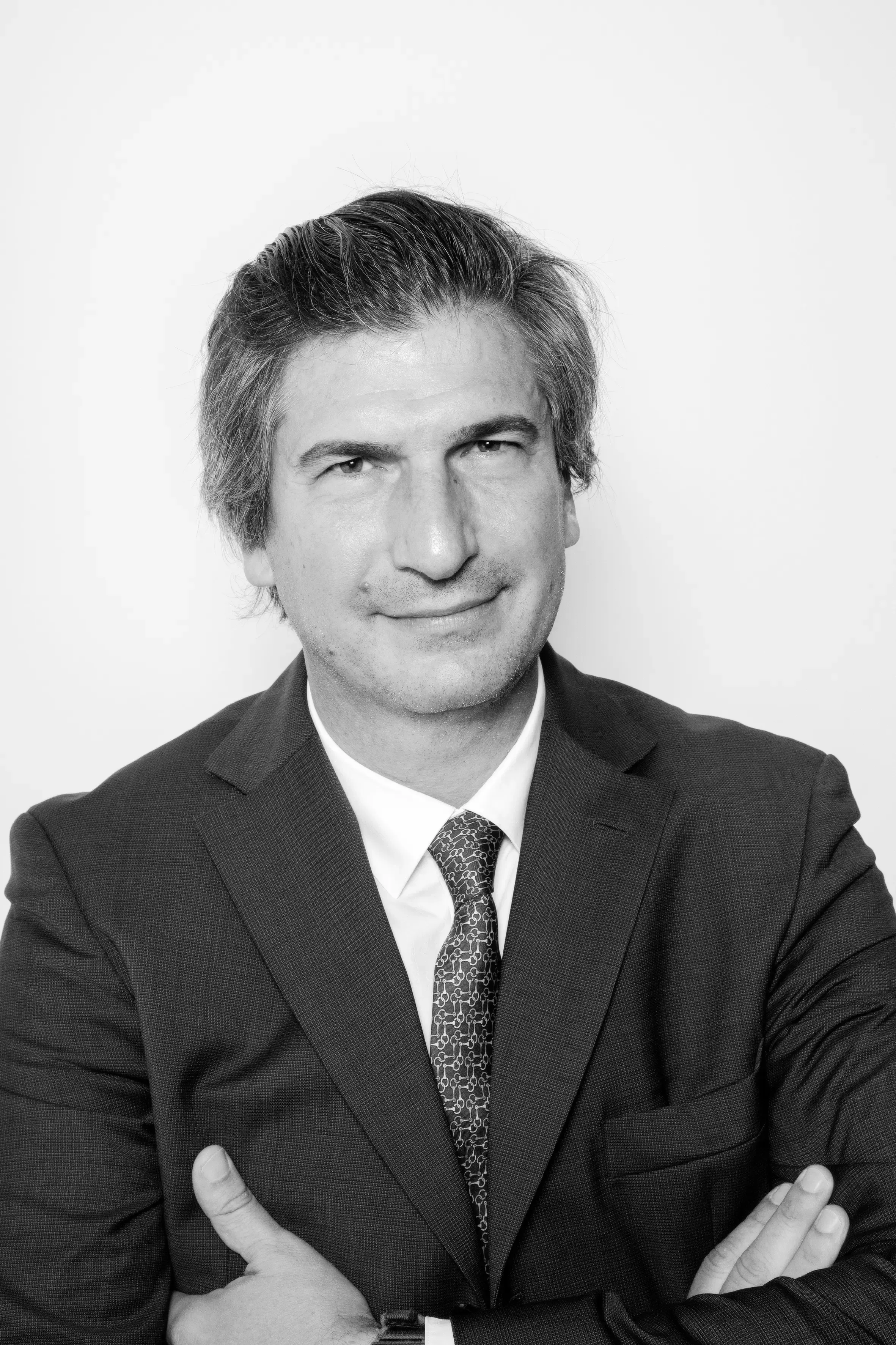
Mining lawyer and Lithium Argentina Corp. Executive Vice President of Legal, Government and External Affairs Ignacio Celorrio discusses the new landscape for lithium following the volatility of recent years, the factors now shaping investment decisions and the role Argentina could play over the next decade. Financing, competitiveness, regulatory certainty, DLE and suppliers are all part of a broader conversation about a bigger challenge: turning a portfolio of projects into a mining industry capable of sustaining long-term growth.
By Panorama Minero
Lithium prices have already experienced both extremes. They surged to levels that fueled extraordinary expectations for the industry, then fell just as sharply, forcing companies to reassess projects, valuations and financing options. For Ignacio Celorrio, drawing conclusions about the industry’s future based on either of those moments would be a mistake.
His view is that Argentina is still at an early stage: “Argentina has not yet developed even 10% of its true lithium potential.” Celorrio believes installed capacity could reach around 400,000 tonnes of lithium carbonate equivalent by the middle of the next decade, although he cautions against focusing too heavily on that figure. What will ultimately matter, he argues, is whether the country can produce competitively and demonstrate that those who have already invested were adequately rewarded for the risks they took. In his view, the performance of those first projects will help determine how much capital is willing to follow.
The conversation with Panorama Minero begins with lithium but extends into a broader discussion about Argentina’s next mining cycle. Celorrio addresses the selective return of financing, the potential of copper, gold and uranium, the impact of direct lithium extraction, Argentina’s relationship with China, the United States and Europe, and the regulatory changes he believes are still needed for investments designed to operate over several decades. He also offers a warning: the existence of major projects does not necessarily mean that a mining industry has been developed.
For Celorrio, that is the challenge now taking shape: turning resources, investment and individual projects into a competitive industry supported by infrastructure, suppliers, skilled workers and a regulatory framework capable of sustaining long-term growth.
For years, lithium was seen as an almost irreplaceable resource for the energy transition. Is that still the case? Do you see any technologies or materials capable of taking a significant share of its market over the next 10 to 15 years?
I think the media was somewhat quick to draw conclusions, both when prices rose sharply and when they fell just as fast. Virtually the entire lithium value chain, which extends beyond batteries even though they are now its main driver, expects demand from 2030 onward to support projects with reasonable operating costs in jurisdictions that provide legal certainty.
In recent years, the growing share of batteries using LFP cathodes has contributed significantly to the development of Argentine lithium carbonate projects, even when there was uncertainty over which battery chemistry would gain ground, LFP or NMC. It is another example of how risky it is to make predictions about variables beyond our control. We should focus instead on what we can influence: producing reliable, responsibly sourced and competitive brine-based lithium products.
With copper now attracting much of the attention around Argentina’s next mining cycle, where does lithium fit into that picture? Where do you see the country’s next major opportunities, both within and beyond mining?
It is wrong to say that lithium has already had its boom. It has not yet reached even 10% of its true production potential. Argentina still has a great deal of work ahead if it is to become the reliable supplier it can and should be. Expectations do not always translate into tangible results.
Copper certainly has enormous potential and could create major development opportunities for the country, but there is still some way to go before mines return to production, beyond the new projects currently in the pipeline. Mining finally appears to be in a position to contribute to Argentina’s development on the scale it should, and that is excellent news.
The ability to capitalize on the country’s other mineral resources will depend on adequate exploration and development. In precious metals, the potential is well known, as are the reasons why the sector remains underdeveloped despite record international prices. There is a major untapped opportunity there. The same is true of uranium, particularly in the Deseado Massif in Patagonia, although only further exploration will reveal its true potential.
Within that broader picture, lithium will remain key because it is already one of Argentina’s most advanced mining sectors and because the country has a competitive advantage over other producers, provided country risk continues to decline and the cost of producing lithium from brines can be further reduced.
What drives an investment decision in Argentina’s lithium sector today? What does a company look at before deciding whether to move forward, wait or walk away from a project?
I think that, rather than conducting a detailed analysis from the outset, companies first look at the results achieved by those that have already invested and the challenges and benefits they have encountered. If those projects move forward and generate reasonable returns relative to the investment and risk involved, interest in the country increases. Only then do companies begin to assess more specific factors: the characteristics and potential of the project, the jurisdiction and its legal certainty, infrastructure and human resources.
But the main factor is the experience of those who invested first and the results they achieved. That creates a virtuous cycle: every project that exceeds expectations lowers the rate of return required to finance those that follow.
What would be a realistic position for Argentina in the global lithium market by 2030? What level of production do you think the country can realistically reach, and what needs to happen to get there?
We are already seeing the results. Exploration investment that began between 2007 and 2009 and, despite the ups and downs of Argentina’s mining sector, remained relatively stable through 2022-2023 has led to a significant increase in the country’s installed capacity and lithium production.
Barring a market crisis or mistakes of our own, that capacity should continue to grow to very significant levels. Planned expansions alone, together with several major new projects such as Pozuelos-Pastos Grandes and Rincón, could multiply current capacity.
These are significant numbers, but we should not get carried away by them. We still have a great deal to learn and improve domestically if we are to become truly competitive. It would not be unreasonable to envision installed capacity of around 400,000 tonnes, or even more, of lithium carbonate equivalent by the middle of the 2030s.
That said, I am not sure how important that kind of forecasting really is for Argentina; it is more of a discussion for analysts. Whatever the volume, we need to produce a product that can compete effectively with material from other countries and gain market share.
What does a lithium project need to demonstrate today to secure financing, particularly when it is not backed by a major company? Is capital available for new developments, or has the market become much more selective?
The sharp price swings of recent years have not been favorable to traditional mining project financing structures. The decline in junior mining company valuations has made it very difficult to raise capital through new equity issuances, while many investors became disappointed with the outlook for lithium. That situation still persists.
Alternatives based on offtake agreements or strategic investors also present significant challenges, particularly if those parties withdraw their support before a project reaches production. Several cases have also shown that not every project can produce at acceptable costs.
Capital has returned to some projects, as demonstrated by financing recently announced by the IFC and the IDB, although it is clearly concentrated on projects backed by major companies. If the improvement in prices continues, confidence in new developments will likely increase. Even so, financial markets will remain selective for some time, hopefully not for long.
That is why the industry needs to be viewed as a whole. Strong results from leading projects or major companies do not mean that everything has been resolved, or that significant challenges do not remain.
How much can technology affect the competitiveness of Argentina’s lithium industry? With the introduction of DLE and hybrid systems, are we looking at an improvement to existing processes or a shift that could change costs, development timelines and even the viability of certain resources?
There is no doubt that this will be very important. There is a growing perception within the industry that direct lithium extraction (DLE) technologies have reached sufficient maturity to be deployed at industrial scale, and there are already clear examples in Argentina. In fact, virtually all new developments are considering some form of DLE.
The potential benefits are significant, which makes it essential for regulations to properly reflect how these processes work. I believe the provinces that make up Argentina’s Lithium Roundtable are well positioned to address this major shift in brine-based production.
Hopefully, it will help advance one of our main objectives: positioning Argentine lithium in the global market as quickly as possible.
Lithium has become increasingly important on the geopolitical agenda. How should Argentina position itself in relation to China, the United States and Europe, and what role does it currently play in global value chains?
I see no reason for Argentina to depart from the approach it has followed in recent years. That means respecting the provinces’ constitutional ownership of their natural resources, maintaining lithium’s current legal status under Argentina’s Mining Code, and recognizing at the federal level that foreign direct investment is currently vital and irreplaceable for developing those resources.
There seems to be no need to substantially change an approach that has proven successful. Companies from the United States, France, South Korea, Australia, China and Switzerland, among others, are producing lithium carbonate in Argentina, benefiting a country that, we should acknowledge, was for many years not considered a reliable destination for risk capital in mining.
Argentina can play an important role in emerging value chains without excluding anyone. The country has sufficient resources to supply different markets and contribute, regardless of nationality, to one of the world’s most important challenges: tackling global warming.
Along those lines, what is the most common misconception about Argentina’s lithium industry that you believe is wrong, based on your experience within the sector?
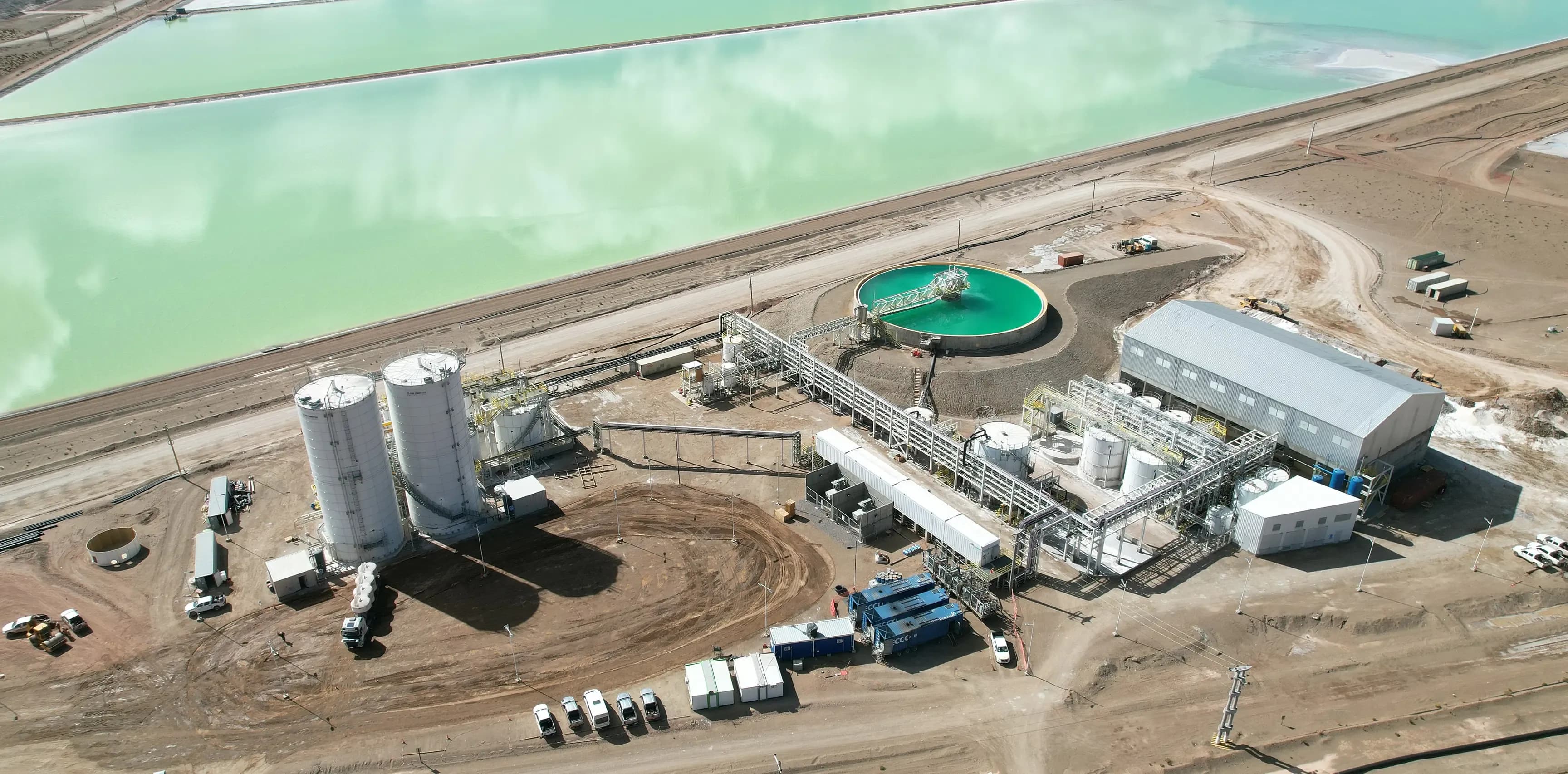
The idea that we are not selling a product, or that there is no value added. Extracting brine from a depth of 500 meters, at a concentration of 500 ppm, and processing it into lithium carbonate with a purity of more than 99.5% at projects located nearly 4,000 meters above sea level is a complex, high-value industrial process.
Perhaps I am being somewhat unfair by emphasizing this, because that superficial view is beginning to fade, as is the notion that controlling lithium means controlling battery production, which is clearly nonsense.
I am optimistic about Argentina and its mining potential, and I believe those ideas are becoming less prevalent. My main concern is that a future setback could be interpreted as vindication of positions that have already caused significant harm to provinces with mining potential. We should not allow expectations to take precedence over sound reasoning.
If you were to envision an Argentine mining model capable of sustaining a major development cycle over the coming decades, what should its foundations be? What does the country need to turn the growth of individual projects into a genuine mining industry?
The first things we need are conviction and humility. Conviction to confront the enormous challenges we face in mining, and humility to recognize that this is an industry whose particular characteristics can be difficult for much of society to understand, whether people are directly connected to it or not.
We also need to acknowledge that, as a country, we have taken extreme positions in the past that caused major losses both for Argentina and for those who placed their trust in the country. I firmly believe there are signs that this period is behind us. Today, highly favorable international conditions coincide with a growing conviction, both within the government and across society, that we cannot afford to miss this opportunity.
It is essential not to be driven by the urgency to deliver immediate results and to understand that there will be market fluctuations. If we stay the course, it is difficult to see the industry not developing, given that we are starting from a very low base and almost everything remains to be built.
Competitiveness, infrastructure, suppliers and human resources are all equally necessary. But each of these pillars must be approached from a clear premise: if we are not competitive and do not respect those who place their trust in us, we risk once again confusing the existence of a handful of projects with the development of a genuine mining industry, as has happened in the recent past.