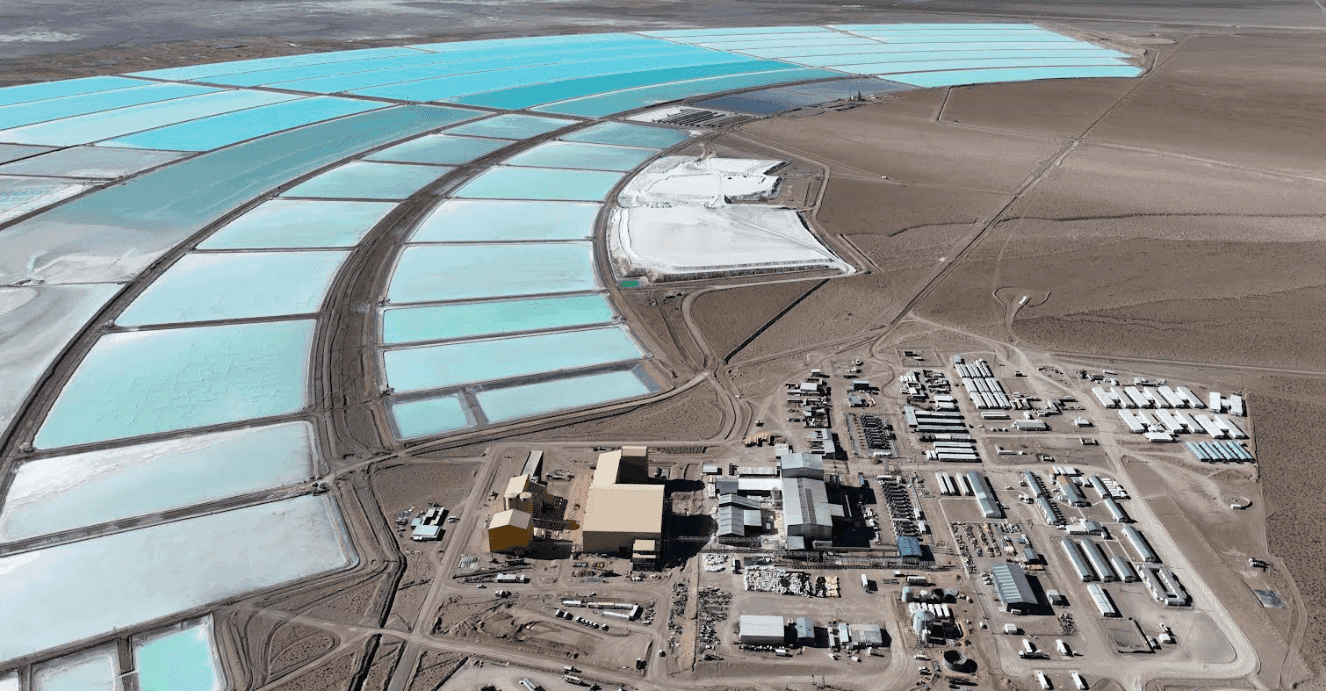
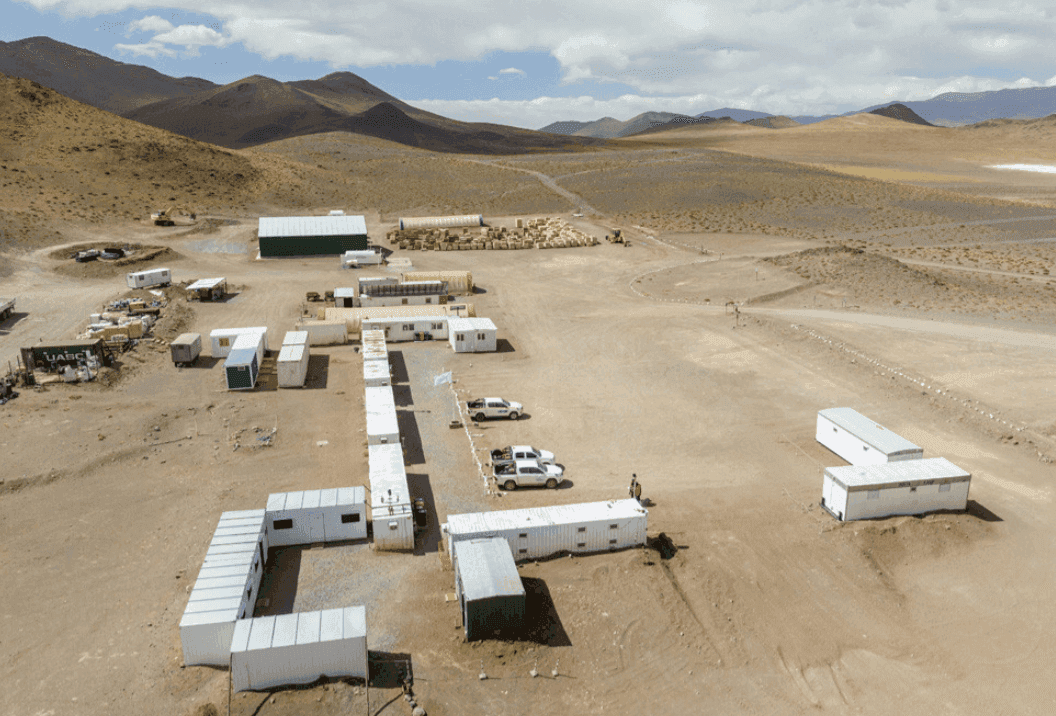
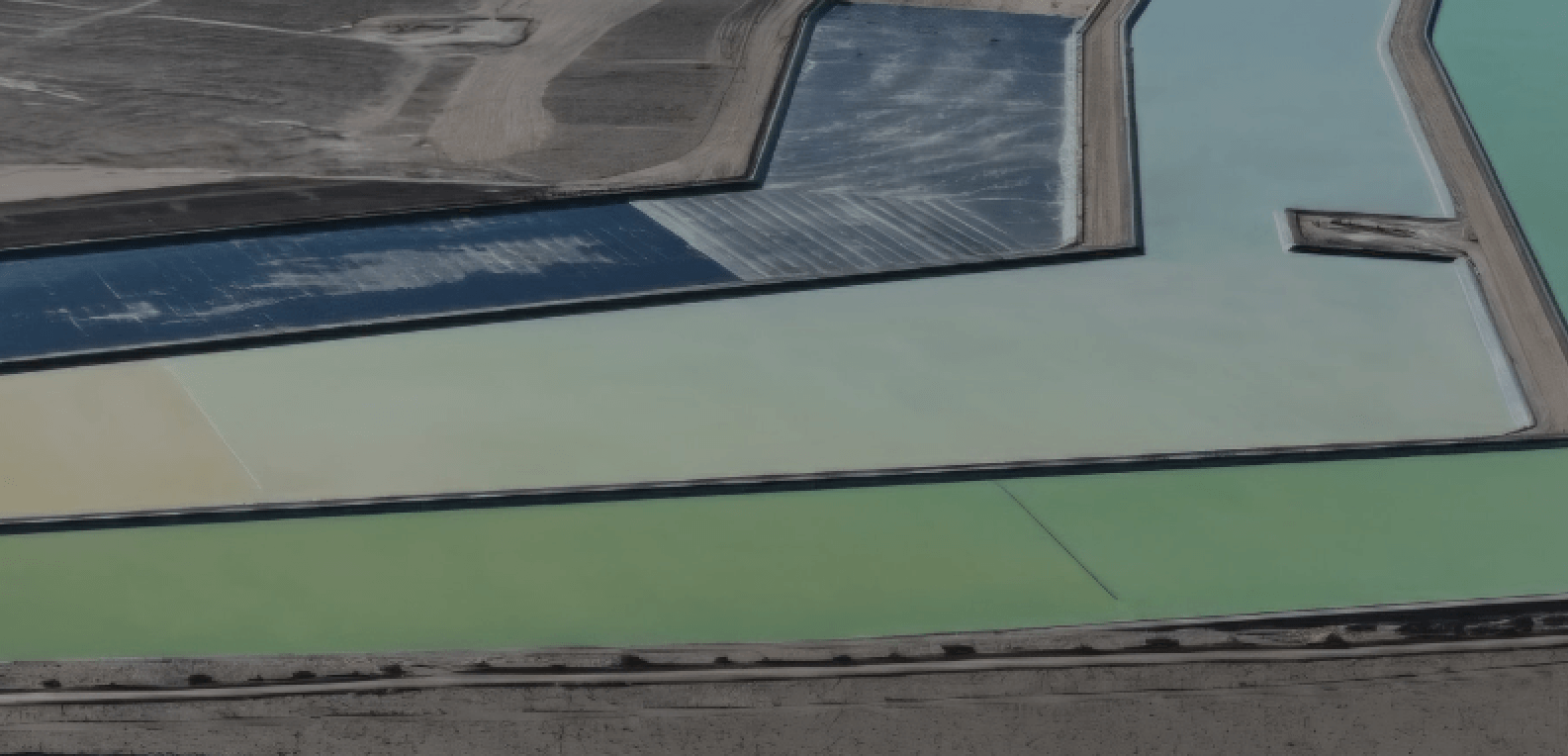
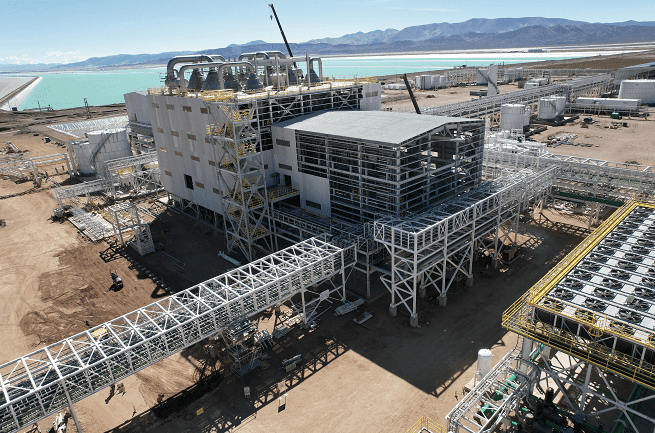
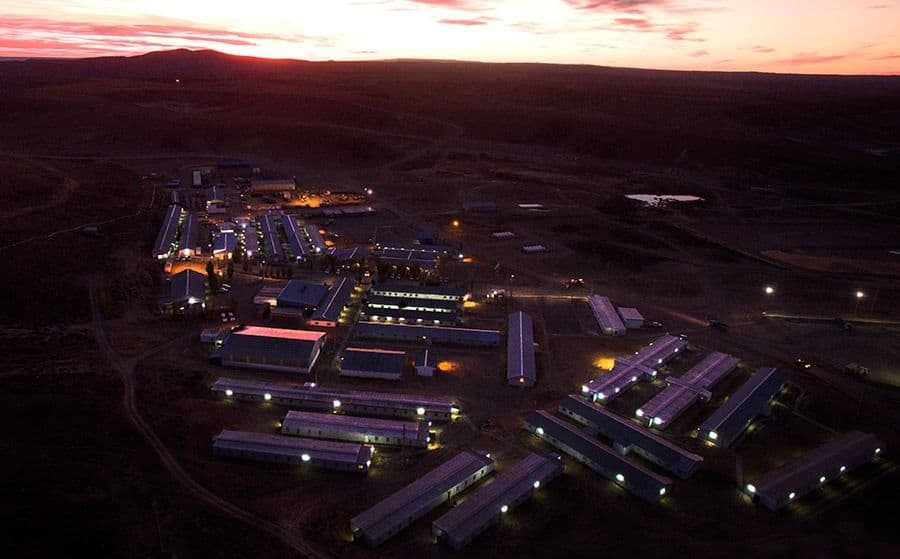
Lithium Argentina, a mining company with operations in Jujuy and development projects in Salta, in Argentina, announced its second-quarter results this Tuesday, highlighting significant progress in its Cauchari-Olaroz operation.
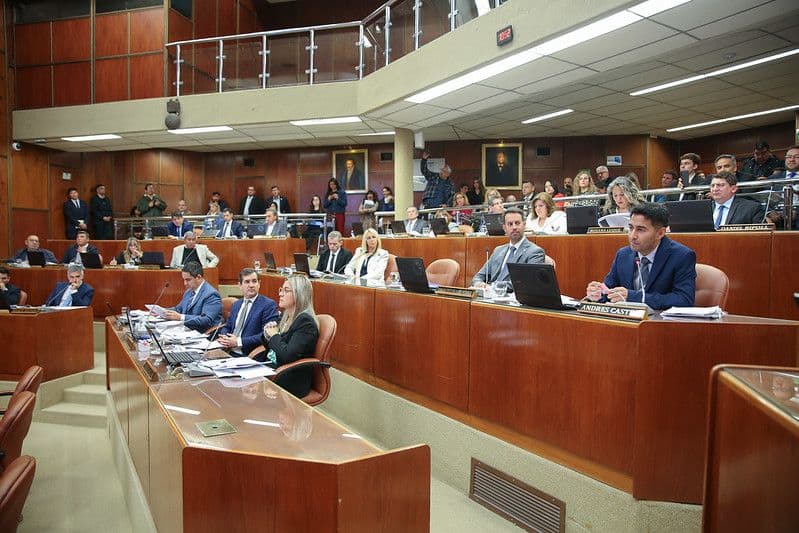
The San Juan Chamber of Deputies has approved the province's adherence to the Regime of Incentives for Large Investments (RIGI), a program promoted by the national government. Governor Marcelo Orrego welcomed the initiative, emphasizing that this adherence will open new opportunities for development and progress in the province. "San Juan's adherence to the RIGI is excellent news. It opens a great door to development, work, and progress. I congratulate and thank the legislators who prioritized the welfare of the province and our people," Orrego stated.
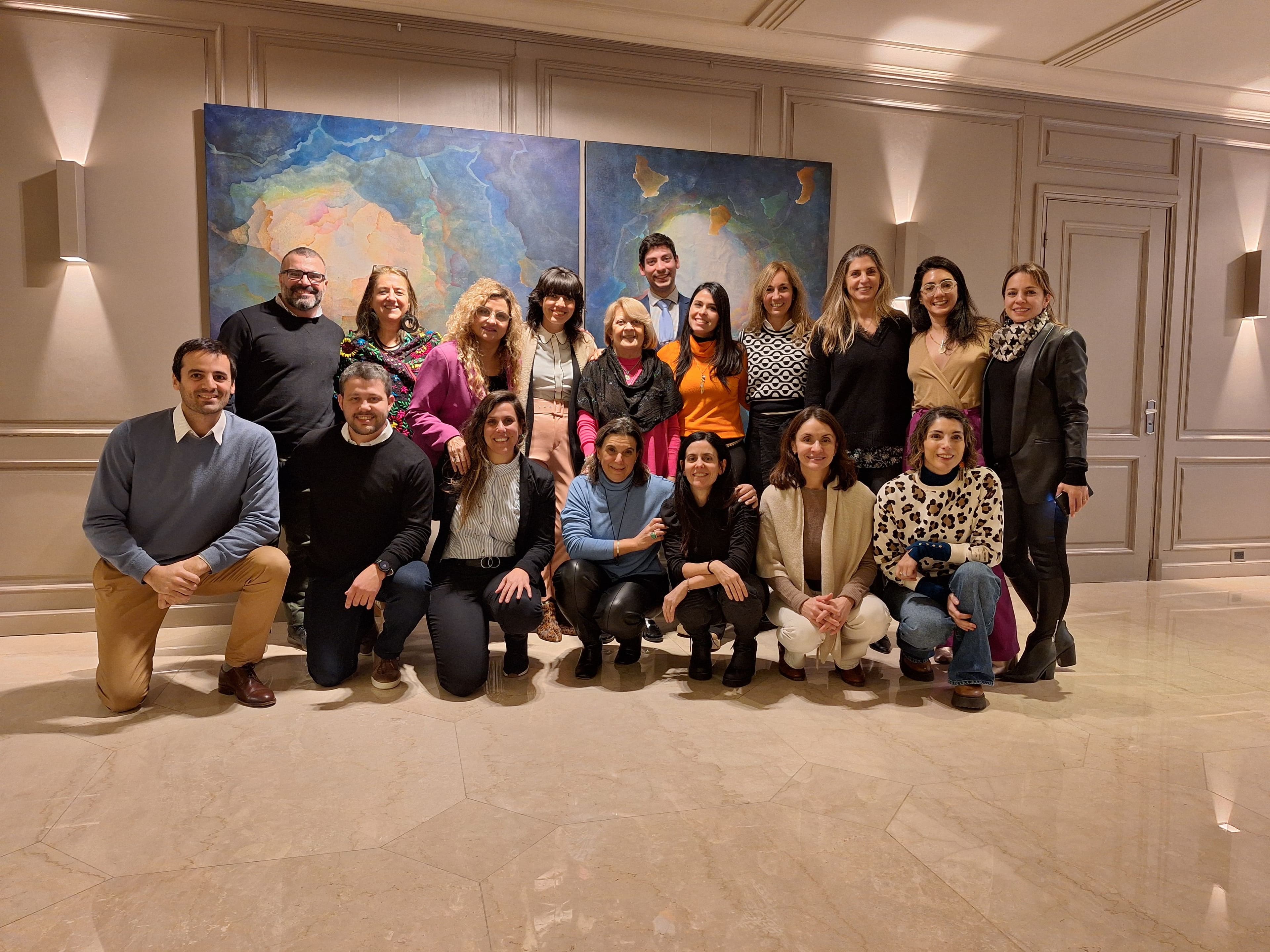
Glencore Copper Argentina, through its El Pachón and MARA projects, has signed a cooperation agreement with Women in Mining Argentina (WIM), the international organization that promotes the advancement of women in the mining industry. The objective is to jointly work towards reducing the gender gap and fostering an inclusive, diverse, and equitable environment.
The agreement between the companies opens the door to the potential launch of different projects in the Vicuña district, with economic and social impact measurable in several decades.
Artificial intelligence (AI) is a rapidly growing revolution with the potential to change and create many industries and the way things are done. But what impact will AI have on supply chain planning?
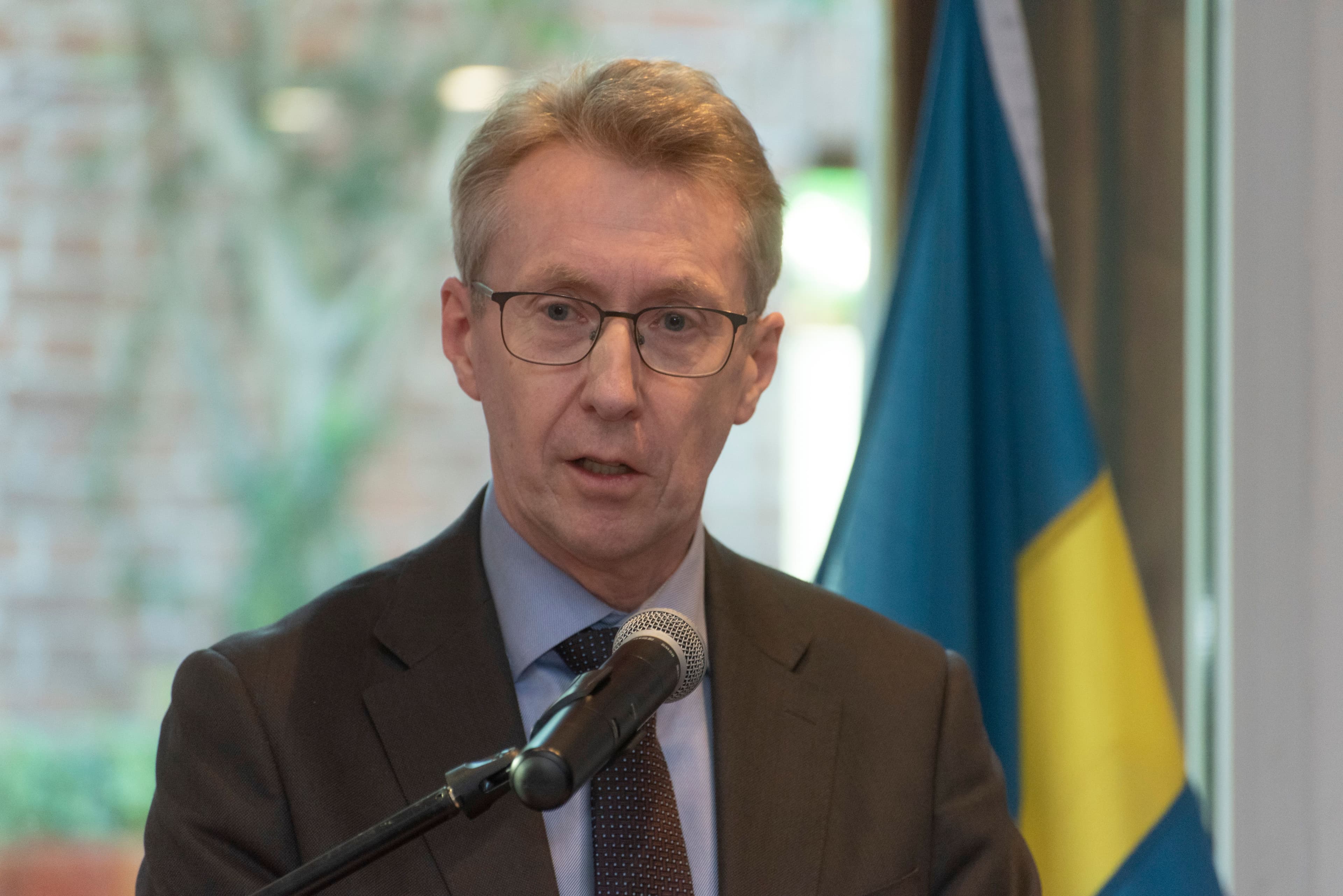
Amid the growing expectations surrounding Argentina’s mining sector, Sweden is among the many countries closely monitoring the national situation with an eye toward establishing long-term strategic partnerships. In an interview with Torsten Ericsson, Sweden’s Ambassador to Argentina, Uruguay, and Paraguay, we delve into the historical relationship between the two countries, the new opportunities emerging in the mining sector, and their connection to the energy transition and geopolitical shifts.
The Republic of Argentina has faced challenges in attracting mining investments for various reasons, and possibly some of these are linked to competitiveness in terms of taxation and other regulatory aspects, such as exchange rate regimes and fiscal stability. In the late 1990s, Argentina produced about 200,000 tons of copper, while Peru produced around 400,000. By 2018, Argentina had ceased production, and Peru had reached 2.4 million tons.
Arcadium Lithium has announced a significant reduction in its capital expenditures by US$500 million over the next 24 months in response to current market conditions. However, the company remains committed to boosting production at its key projects in Olaroz and Fénix, located in Argentina, aiming to reach their full production capacity by 2025.