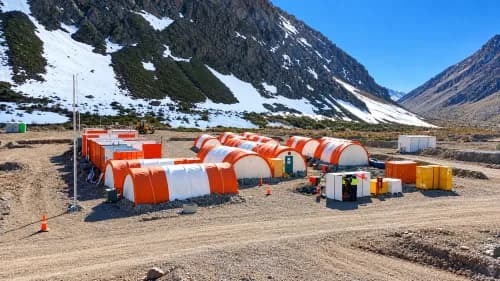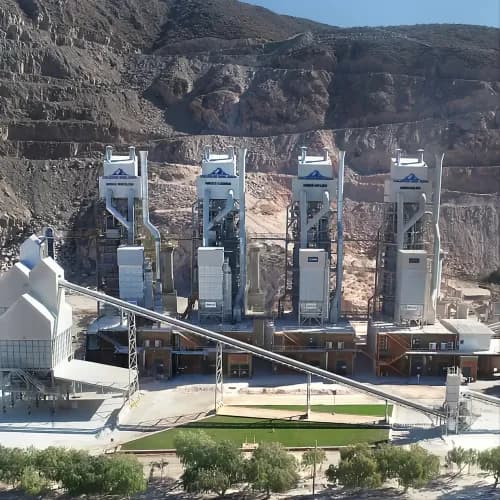
Monitoring material levels in chutes and intermediate bulk containers is vital for preventing unplanned downtime. Jorge Espinoza, mining industry manager at Emerson,_ and Jennifer Muñoz, product engineer at Emerson, explains how advanced radar transmitters provide the most suitable solutions for these challenging applications.
By Panorama Minero
Maintaining process continuity is critical to mining productivity and profitability, as even short periods of unplanned downtime can have significant operational and financial consequences. Accurate and reliable monitoring of material levels is important not only in helping ensure process continuity but also for safe and efficient operations. However, level measurement applications within mining are typically not straightforward, with harsh environments, fast-moving processes and irregular material surfaces all creating challenges for measurement instruments.
Chutes and intermediate bulk containers (IBCs) are two measurement points that are important but particularly difficult to monitor reliably. While they may appear secondary within the broader process, they both sit at key transition points. Chutes control the flow of material, guiding bulk solids such as crushed ore, concentrates and powders between major processing stages, while IBCs supply the reagents that enable those processes to function effectively.
In chutes, issues can develop rapidly. A small build-up of material can quickly escalate into a full blockage, restricting or completely halting the flow of ore. This can force upstream equipment such as crushers or conveyors to stop, triggering a cascade of downtime across a site and potentially bringing the complete production process to a halt. A lack of visibility to the levels in IBCs, meanwhile, can result in critical reagents running dry or being overdosed. In processes such as flotation or leaching, this can compromise recovery rates, disrupt process stability, or even require temporary shutdowns to correct conditions.
The importance of these applications means that they need more than periodic or approximate level measurements – they require automated solutions that provide accurate, reliable continuous data. It is therefore essential for operators to select the most appropriate technologies for each application.
Chute Monitoring Challenges
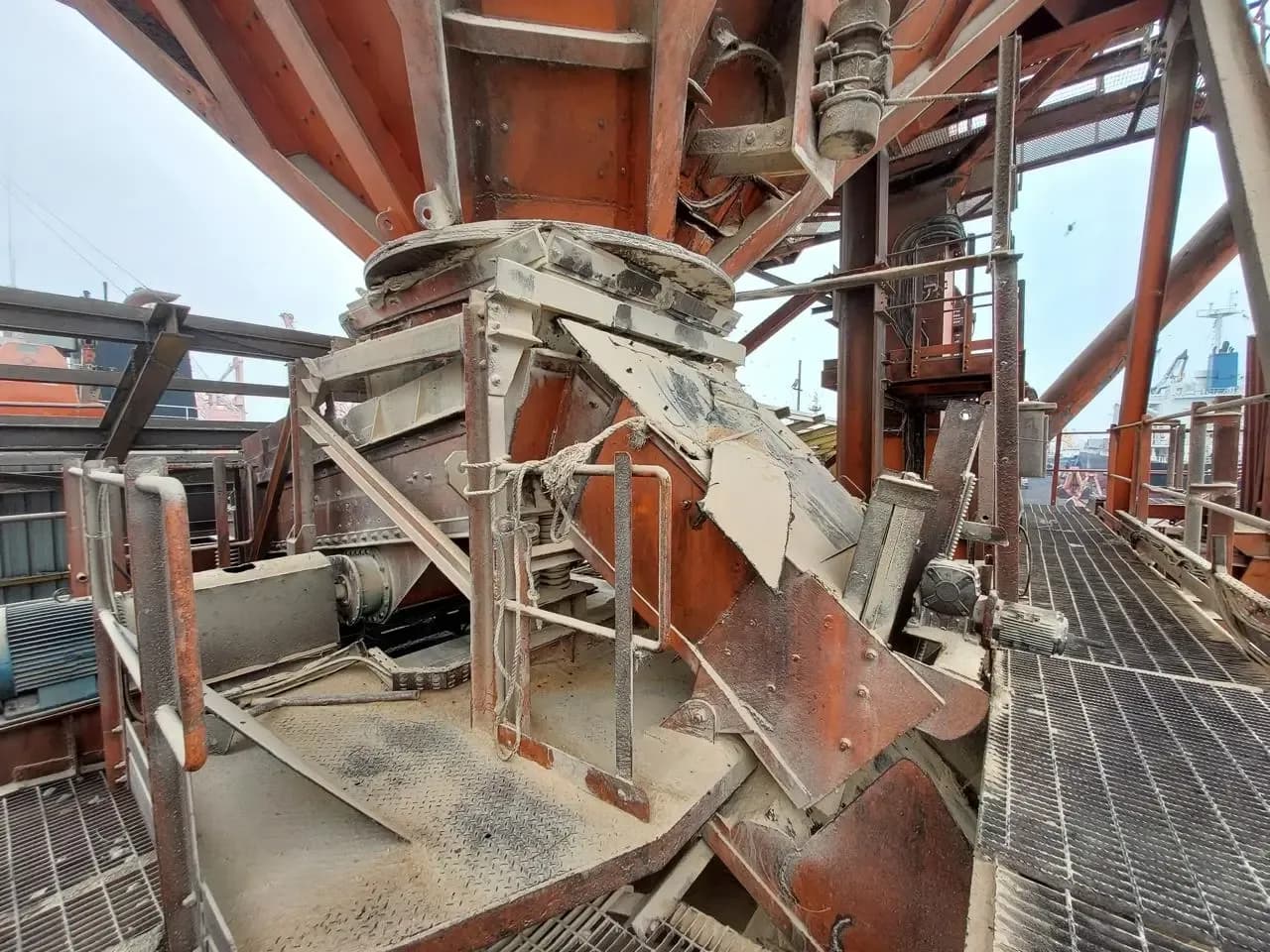
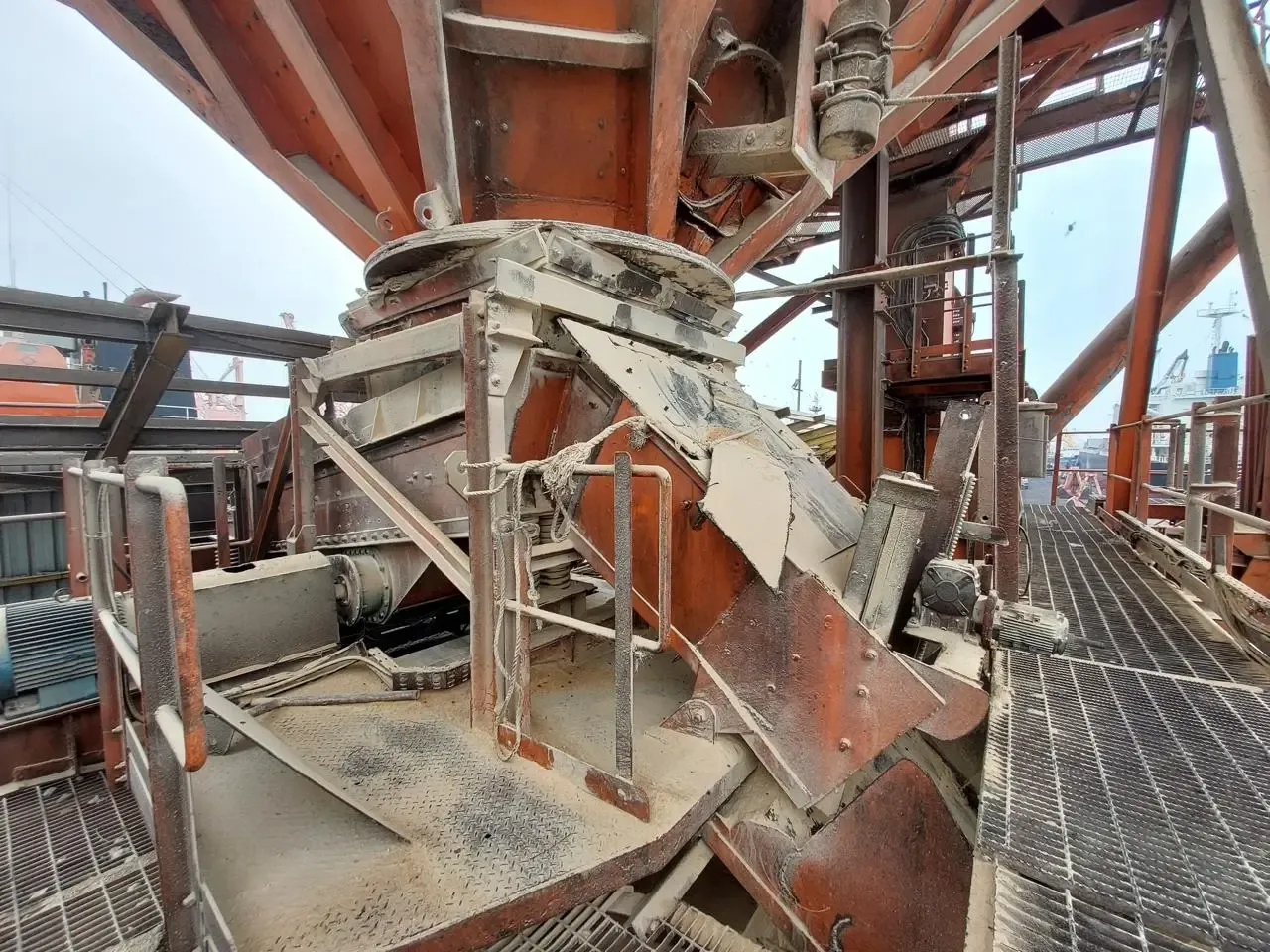
At many mines, there is no automated chute monitoring, and blockages are only discovered during manual inspections or when the process shuts off – an approach that is inefficient and introduces additional safety risks. However, chutes present one of the most demanding applications for automated level measurement. A key challenge is the absence of a stable material surface. Inside a chute, material is continuously falling, sliding or bouncing, creating a highly irregular and constantly shifting profile. Conventional level measurement technologies, which are typically designed for stable surfaces, often struggle to provide consistent readings under these conditions.
Caption: Because chutes are prone to dust, build-up and blockages, this makes reliable level monitoring challengiThe operational environment itself further complicates measurement. Chutes are frequently positioned downstream of crushers or grinding equipment, where dust levels can be extreme. Dense dust clouds, combined with vibration and rapid material movement, can interfere with many measurement technologies – particularly ultrasonic devices, which rely on a clear signal path. Over time, this can result in signal loss, drift and frequent false alarms.
In addition, chute geometry presents practical limitations. Chutes are often narrow, angled and confined, with liners or internal structures that introduce multiple reflective surfaces. These features not only complicate signal interpretation but also restrict installation options, making it difficult to position instruments optimally.
From Measurement to Material Insight
Unlike when monitoring the level of materials in vessels or silos, chute monitoring involves understanding material behaviour in real time. Even in a flowing system, there is always a measurable material surface at any given moment. By continuously tracking the distance from a sensor to this surface, it is possible to determine whether the chute is empty, operating normally or experiencing build-up.
Non-contacting radar transmitters are ideally suited to this application. These devices are typically mounted at the top or side of a chute and emit high-frequency signals towards the material. The reflected signal provides a continuous indication of distance. A stable, fluctuating signal generally indicates normal flow, while a steadily decreasing distance can signal material accumulation. A consistently high reading may indicate a blockage condition.
Non-contacting radar technology is largely unaffected by dust, turbulence or changes in material properties, which enables it to provide accurate and reliable continuous level measurements, even under highly dynamic conditions. In addition, a narrow beam angle allows the measurement to be focused on the intended target area, reducing interference from chute walls, liners and internal structures.
Advanced devices such as the Rosemount™ 3408 Level Transmitter from Emerson build on these fundamental advantages with features specifically designed for challenging solids applications. For example, a dedicated solids algorithm enables interpretation of the constantly changing material surfaces typical of chutes. Equally important is the role of advanced signal processing, which enables the transmitter to distinguish between true material reflections and false echoes caused by obstructions or build-up.
Together, these capabilities enable more stable and trustworthy measurements, supporting earlier detection of abnormal conditions and more reliable process operation. Furthermore, the availability of wireless communication options simplifies installation in remote or hard-to-access locations, eliminating the need for extensive cabling. This is particularly beneficial in retrofit scenarios, where adding new measurement points would otherwise be costly or impractical.
The deployment of non-contacting radar devices provides operators with significantly more insight than traditional point level devices, such as paddle switches or vibrating forks, which simply indicate whether material has reached a fixed point. While such devices are certainly useful for basic detection purposes, they do not provide the continuous visibility needed to identify developing issues before they become critical. The availability of continuous data transforms chute monitoring from a reactive task into a proactive, data-driven operation, with abnormal level conditions triggering alerts and enabling operators to identify and prevent major issues. This results in improved process reliability, reduced downtime and enhanced safety.
IBCs: Small Assets, Big Impact
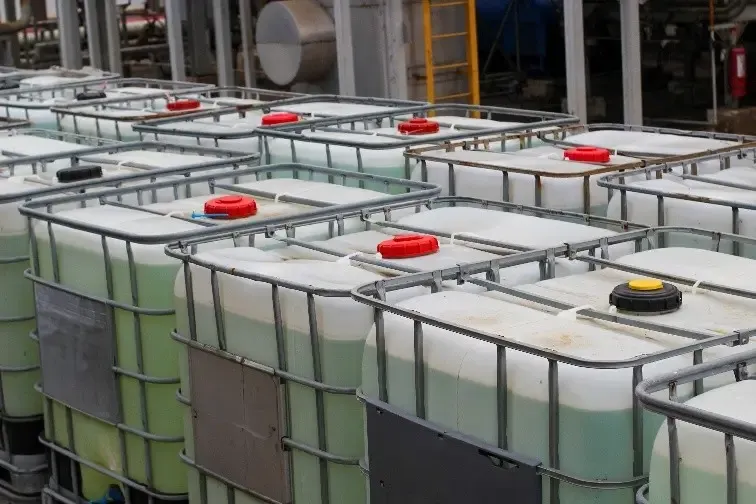
While measuring the levels of moving solids is particularly challenging, reliably monitoring liquids is also not without its difficulties. While large vessels and silos often receive the most attention in mining operations, IBCs play a critical, yet frequently overlooked, role in maintaining process efficiency. Used to store and dispense reagents, acids and other process chemicals, these relatively small containers are essential for supplying materials in applications such as flotation, leaching and water treatment.
The consequences of inaccurate level measurement in IBCs can be significant. It can lead to inefficient chemical dosing, increasing costs while reducing process performance and mineral recovery. It can also result in critical reagents running dry, disrupting entire process stages. Manual monitoring is still common in many facilities, but this approach is labour-intensive, prone to error and often results in delayed responses. It can also introduce safety concerns, particularly in busy or hazardous areas.
IBCs present distinct level measurement challenges. Their compact size combined with small openings limits installation options, while the presence of internal obstructions such as caps, fittings or dip tubes can impact the accuracy and reliability of measurements from automated technologies. The nature of the stored media adds further complexity. IBC contents can vary widely, from clean liquids to viscous or chemically aggressive substances. Vapours, foam and condensation may be present, all of which can negatively affect certain measurement technologies. Contact-based devices are particularly vulnerable in these environments, as components exposed to the process fluid can corrode, foul or wear over time, leading to increased maintenance requirements.
Compact Radar Solution
Non-contacting radar technology provides a non-intrusive, practical and reliable solution to these challenges in IBC applications. A compact instrument such as the Rosemount 1208 Level and Flow Transmitter from Emerson is able to deliver accurate readings even in confined spaces with internal obstructions, thanks to high-frequency operation and focused measurement beams. Because radar measurement is largely unaffected by temperature, pressure or vapour conditions, it can deliver stable performance across a wide range of chemical media. Continuous, real-time monitoring provides operators with improved visibility into inventory levels, enabling more accurate dosing and reducing the risk of process interruptions. The non-contacting design also reduces maintenance requirements, making it well suited to applications involving aggressive substances.
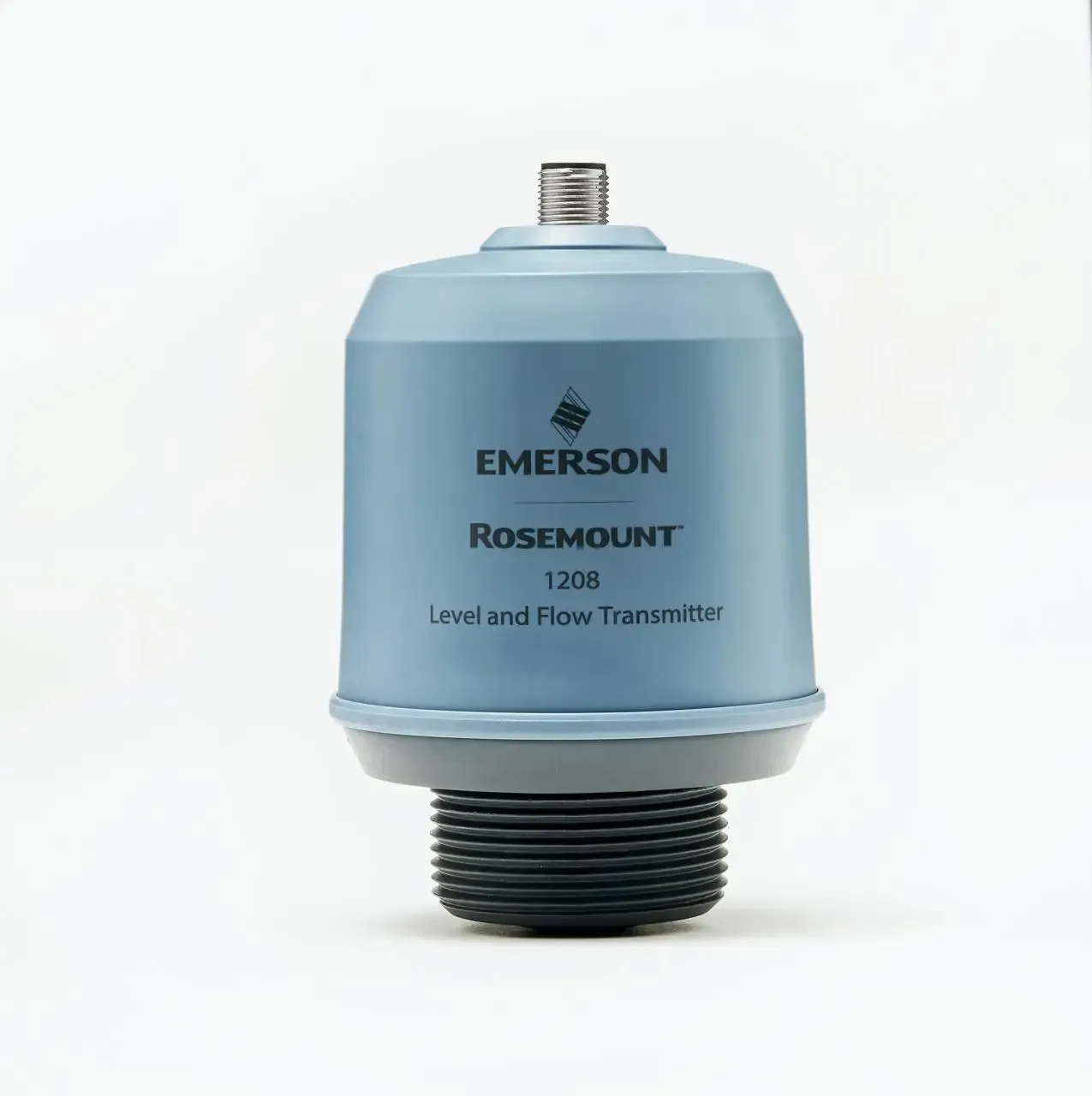
In addition, modern devices are designed to optimise ease of installation and use. Compact form factors allow them to fit within restricted mounting spaces, while simple configuration tools reduce commissioning time and the need for specialist expertise. This makes it easier to replace legacy technologies such as ultrasonic devices, which may struggle under variable process conditions.
Radar transmitters can be mounted on a fixed support structure or base, allowing containers to be exchanged without disturbing the instrument itself. This avoids repeated installation work and helps maintain consistent measurement performance, improving overall process reliability. In many cases, the radar signal is also capable of measuring through the plastic roof of the IBC, enabling a completely non-invasive installation. By eliminating the need for process penetrations, this approach reduces the risk of leaks or contamination while simplifying deployment and maintenance.
Conclusion
Eradicating manual level measurements can lead to significant improvements in operational efficiency, but it is essential to implement the appropriate technologies to meet the challenges of each application. Whether deployed in harsh, dust-filled chutes or compact IBCs, modern non-contacting radar solutions deliver the accuracy and reliability needed to maintain continuous operations. The result is more than just improved measurement – it represents a shift in how operations are managed. With better visibility into material levels and flow conditions, operators can detect issues earlier, reduce unplanned downtime and enhance safety across the site. In an industry where efficiency and reliability are paramount, this transition from reactive maintenance to proactive control represents a significant step forward.
www.Emerson.com/RosemountLevel
About the authors: Jorge Espinoza is an industry leader at Emerson with more than 20 years of experience in measurement and automation technologies. With a background in electronics engineering and an MBA in Strategic Business Management, he combines technical depth and strategic insight to deliver solutions addressing the needs of the mining, chemical and sustainability sectors.
Jennifer Muñoz is a level measurement technology specialist at Emerson, with four years of experience supporting customers across Latin America in optimizing their industrial processes. With a background in Chemical Engineering, she combines technical expertise in instrumentation and automation with a customer-focused approach, helping organizations identify and implement solutions that improve operational reliability, safety, and plant performance across a wide range of industries.
..