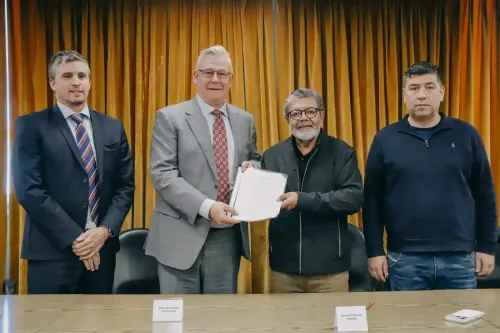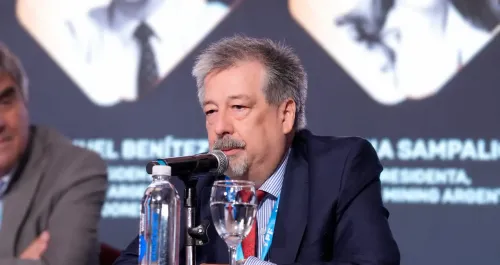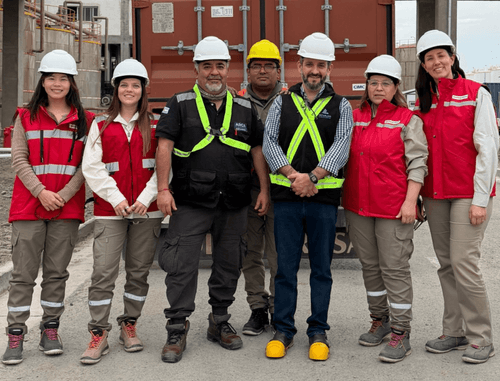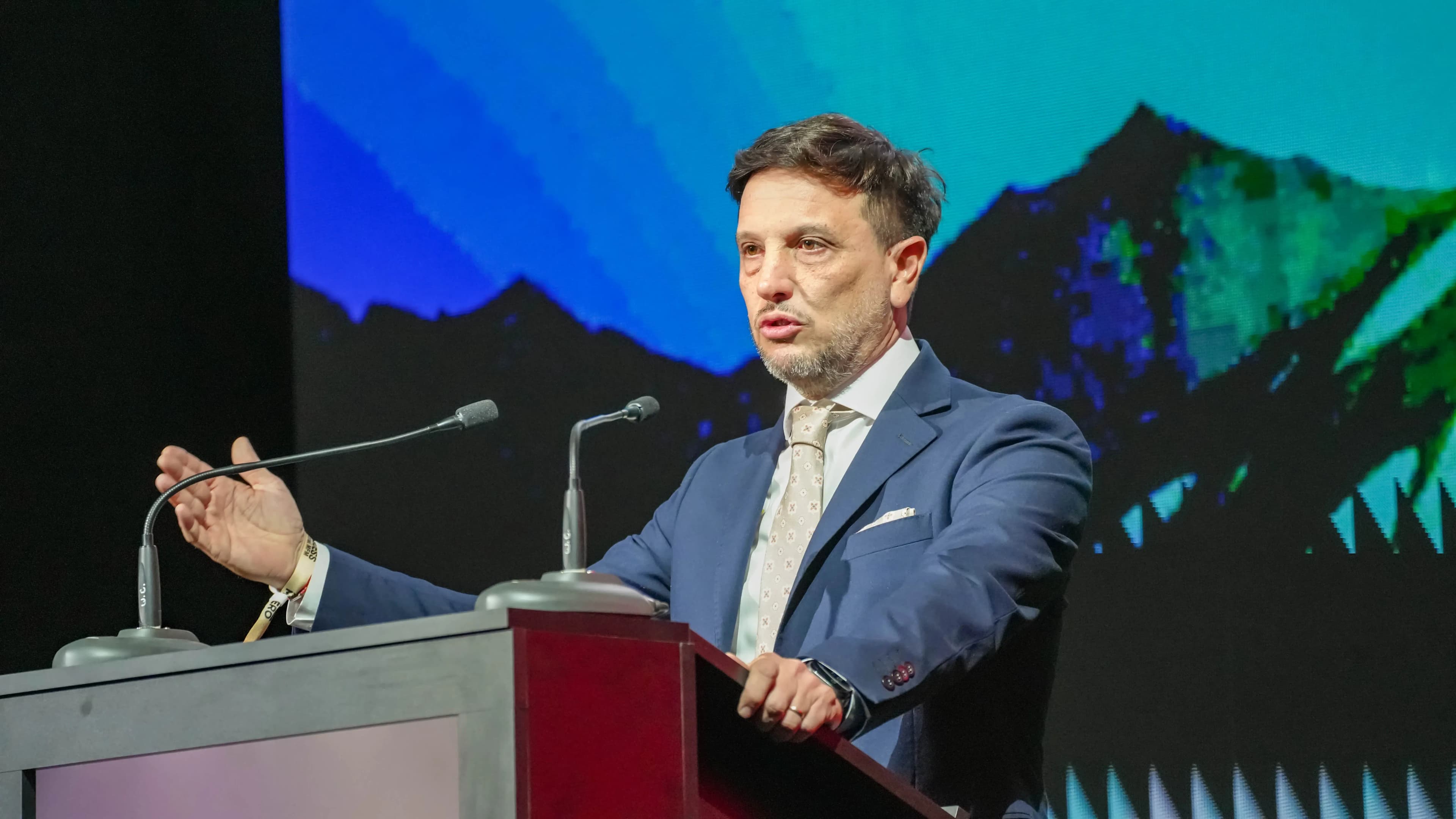
San Juan is positioning itself as a global mining powerhouse and accelerating its investment agenda: “We are among the 20 best places in the world,” said Juan Pablo Perea, Minister of Mining. Gustavo Fernández and Alfredo Aciar, from the Ministry of Production, detailed plans for the new Free Trade Zone in Jáchal.
By Panorama Minero
During the opening of the Argentina Cobre sessions at the Expo San Juan Minera 2026, the provincial government delivered a clear message to the industry: San Juan already offers world-class conditions for mining, and now it is time for companies to accelerate their investment decisions. With a focus on copper development, regulatory stability, and productive integration, three officials highlighted the province’s international positioning and the structural impact the activity could generate.
Mining Minister Juan Pablo Perea was emphatic in describing the province’s current moment: “San Juan had the honor of ranking first in Argentina, first in Latin America and the Caribbean, and among the top 20 jurisdictions in the world for mining investment.” The data, based on one of the sector’s most influential international rankings, reflects the outcome of a sustained policy of predictability and compliance.
“This is no coincidence. It is the result of providing certainty, simplifying processes, and above all, keeping our word,” the official stated, while emphasizing that the province has surpassed traditionally mining-oriented countries such as Chile and Peru in positioning.
Copper, Project Portfolio, and National Leadership
The core of the official message focused on copper, where San Juan hosts some of Argentina’s most significant developments. “Four of the seven world-class projects are in San Juan,” Perea stressed, detailing a portfolio that includes initiatives at different stages of advancement.
Among the projects mentioned, he highlighted that Los Azules and Gualcamayo already have approval under the RIGI, while El Pachón is progressing through its approval process and Altar is preparing to submit its application. This is in addition to the development of Vicuña, which has already presented its preliminary economic assessment.
“Sixty percent of the RIGI applications are currently in San Juan, and 80% of the projected investments for the next 15 years in Argentina will take place in this province,” the minister stated, reinforcing the idea that the territory is consolidating itself as the epicenter of mining growth.
Regulatory Stability and Glacier Law Reform
Another key issue was legal stability, especially following the recent reform of the Glacier Law. For the provincial government, this represents a turning point in terms of predictability.
“The approval of the Glacier Law reform is a very important step for the predictability of the activity and for strengthening federalism,” Perea said, defending the provinces’ ability to manage their own resources.
In this regard, he added: “San Juan has demonstrated that it is capable and competent in protecting its resources. It is not about protecting less, but about protecting better, with an agile, technical, and specialized State.”
The official also highlighted environmental oversight efforts, noting that during the past year 360 mining police inspections and 488 water quality samples were conducted, in addition to the implementation of a mobile laboratory. “Mining activity in San Juan is controlled by San Juan, with its own teams and institutions,” he emphasized.
Less Bureaucracy and Greater Efficiency: The New Management Model
Perea also highlighted the transformation of the provincial State in mining management. “What used to take six months is now resolved in 30 days,” he said, referring to the digitalization of the mining cadastre and the simplification of procedures.
“Today we operate with a modern, transparent system aligned with international standards. Information is public and accessible for companies, investors, and the community,” he stated, referencing adherence to global initiatives such as EITI for Transparency in the Argentine Extractive Industries.
In this sense, he stressed that streamlining processes does not imply weaker controls: “This is not flexibility; it is the technical capability of a State committed to the environment.”
The Message to Companies: Accelerate Investments
One of the strongest moments of the speech was the direct call to the private sector. “The province has done its part. Now we ask operators to move forward quickly and confidently,” Perea stated. He continued: “The speed of the next steps will depend on the decisions companies make. Every month a project is delayed is a month without jobs, without suppliers, and without development for our communities.”
The message points to a scenario where macroeconomic and regulatory conditions are beginning to align, but the pace of execution will depend on companies’ final investment decisions.
Mining as a Driver of Comprehensive Development
From the Ministry of Production, Gustavo Fernández reinforced the idea that mining should not be viewed in isolation, but as part of a broader development strategy.
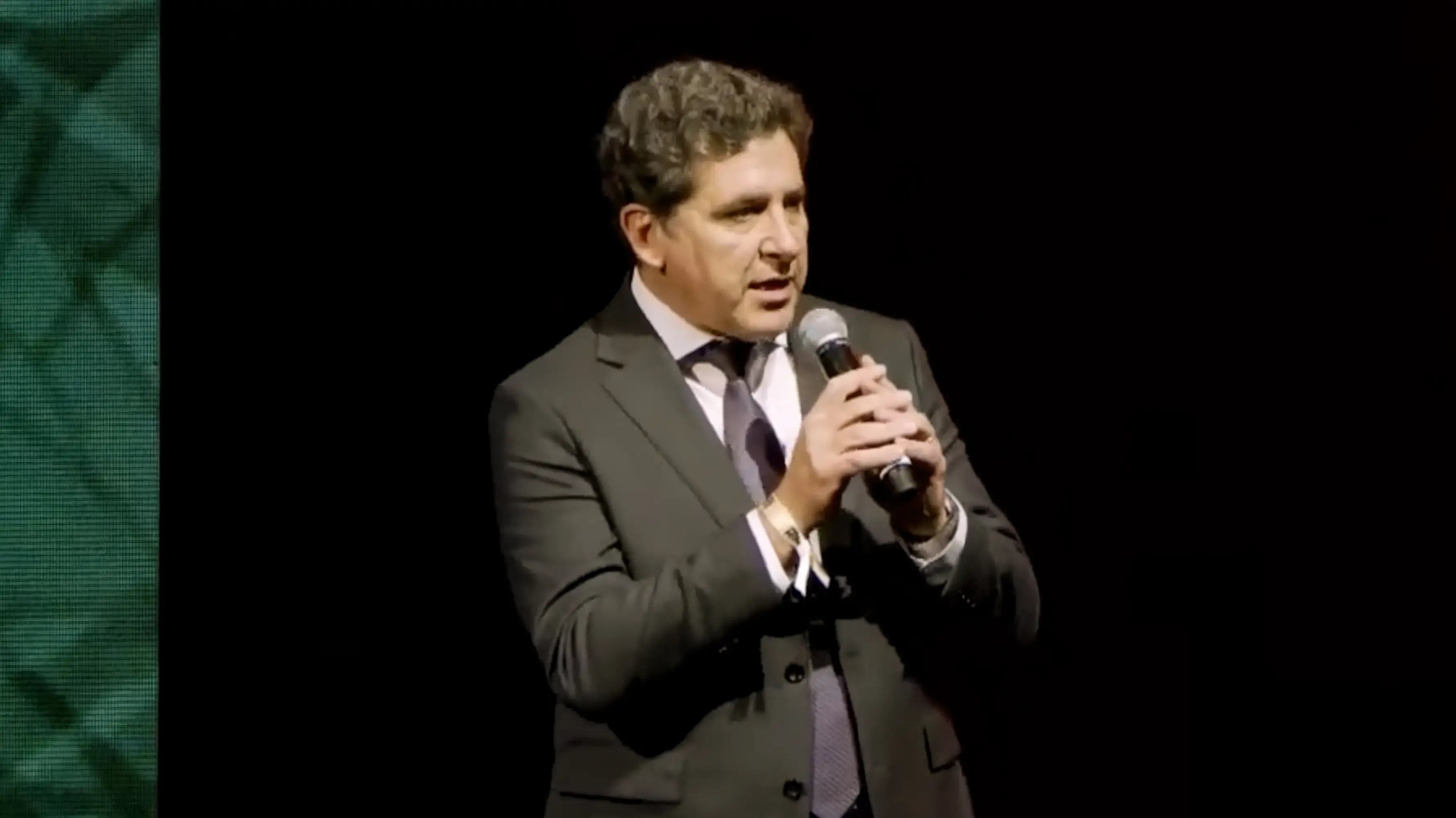
“Mining development must be a lever to diversify San Juan’s productive matrix,” he said, emphasizing that infrastructure promoted by the activity—such as roads, power grids, and international crossings—also benefits sectors such as agribusiness, tourism, and manufacturing.
“When a road is opened or a power line is built, it not only serves mining, it also boosts the rest of the economy,” he explained.
Fernández went further and offered a conceptual definition: “There is no sustainability for mining without economic diversity. Diversity is what will allow the activity to be sustained over the long term.”
Free Trade Zone in the North: A Strategic Bet
One of the most concrete announcements was linked to the development of the Free Trade Zone in northern San Juan, a long-delayed project the government is now seeking to materialize. “We want to turn this idea into concrete facts and move forward with a key tool to improve competitiveness,” Fernández said, introducing the presentation by Alfredo Aciar, Secretary of Coordination for Economic Development of San Juan.
The minister explained that the initiative will be located in the north of the province and will be strategic not only for mining, but also for other productive sectors. “It will serve as a platform to strengthen suppliers, reduce logistics costs, and improve international integration,” he noted.
Aciar, meanwhile, highlighted that this represents a historic opportunity: “The Free Trade Zone is a right that San Juan has, and now we are determined to make it a reality.” He also emphasized its impact in terms of territorial integration and regional development.
Anchored in Jáchal, a department with a historic export vocation, the official stated that the goal is to revive that profile with modern tools: “Jáchal has always had an export-oriented vocation. Today we want to strengthen it again, but with 21st-century instruments.” In this framework, he presented the design of a strategic and logistics development hub that will integrate within the same site a free trade zone, a bonded warehouse, and a customs primary zone, under a model he described as “unique in the country.” He also emphasized the project’s environmental component: “All of this will be powered by solar energy to make it more sustainable.”
Aciar stressed that the initiative seeks to improve mining competitiveness while also driving the rest of the regional economy. “The free trade zone offers long-term stability and legal certainty, and it will be key not only for mining, but also for the development of other industries in the north of the province,” he explained.
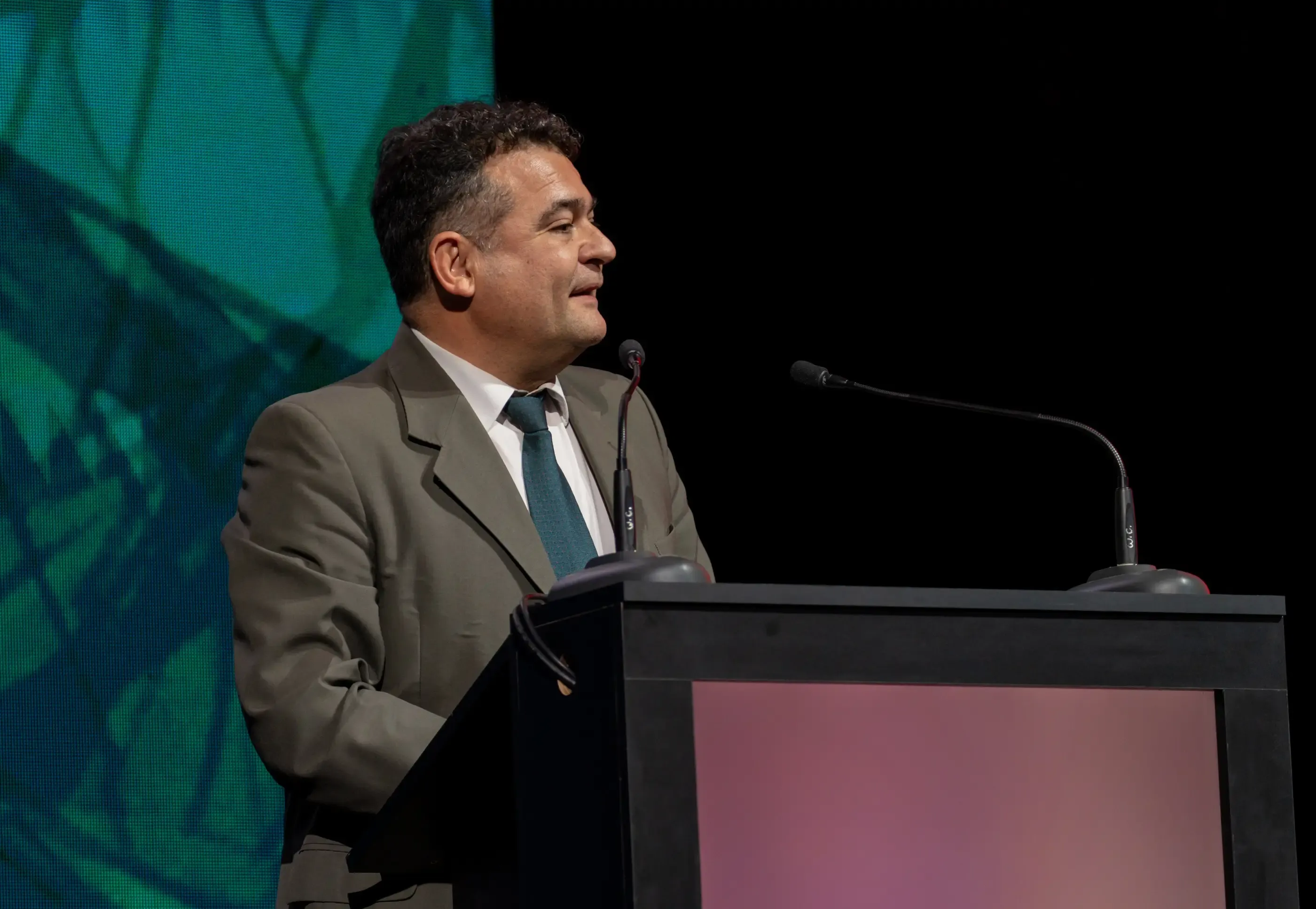
In this regard, he highlighted the potential logistics connection with the railway system: “The reactivation of the former Belgrano Cargas, now the San Martín line, along the Albardón – Jáchal section, will significantly reduce logistics costs for the entire operation.”
Finally, he emphasized the structural nature of the project: “This is a long-term initiative aimed at creating a more balanced San Juan in terms of territorial development, through joint work between the nation, the province, and the community.”
Training, Employment, and Local Development
Another key point highlighted by Perea was human capital development. He detailed that 350 students are already enrolled in university programs in mining departments, a figure that could double in the short term. “We believe in education and in young people. We are bringing universities to mining departments so that development is also social,” he stated.
He also mentioned programs aimed at strengthening local suppliers and promoting inclusion, such as support initiatives for SMEs and women entrepreneurs. “Mining must reach every San Juan family, not as a promise, but as a concrete reality,” he said.
San Juan at the Center of the Global Mining Map
The provincial government’s message was clear: San Juan seeks not only to attract investment, but also to consolidate itself as an international-scale mining hub. “We are designing the San Juan of the future, with clear rules, transparency, and development for our communities,” Perea concluded.
With a portfolio of world-class projects, a more predictable regulatory framework, and tools such as the RIGI and the Free Trade Zone under development, the province is betting on accelerating a new stage of growth. The challenge now, as officials made clear, is for investments to materialize and for projects to move from potential to production.