Energy costs, infrastructure, and the global context are shaping the sector, while rising metal prices open new opportunities.
By Panorama Minero
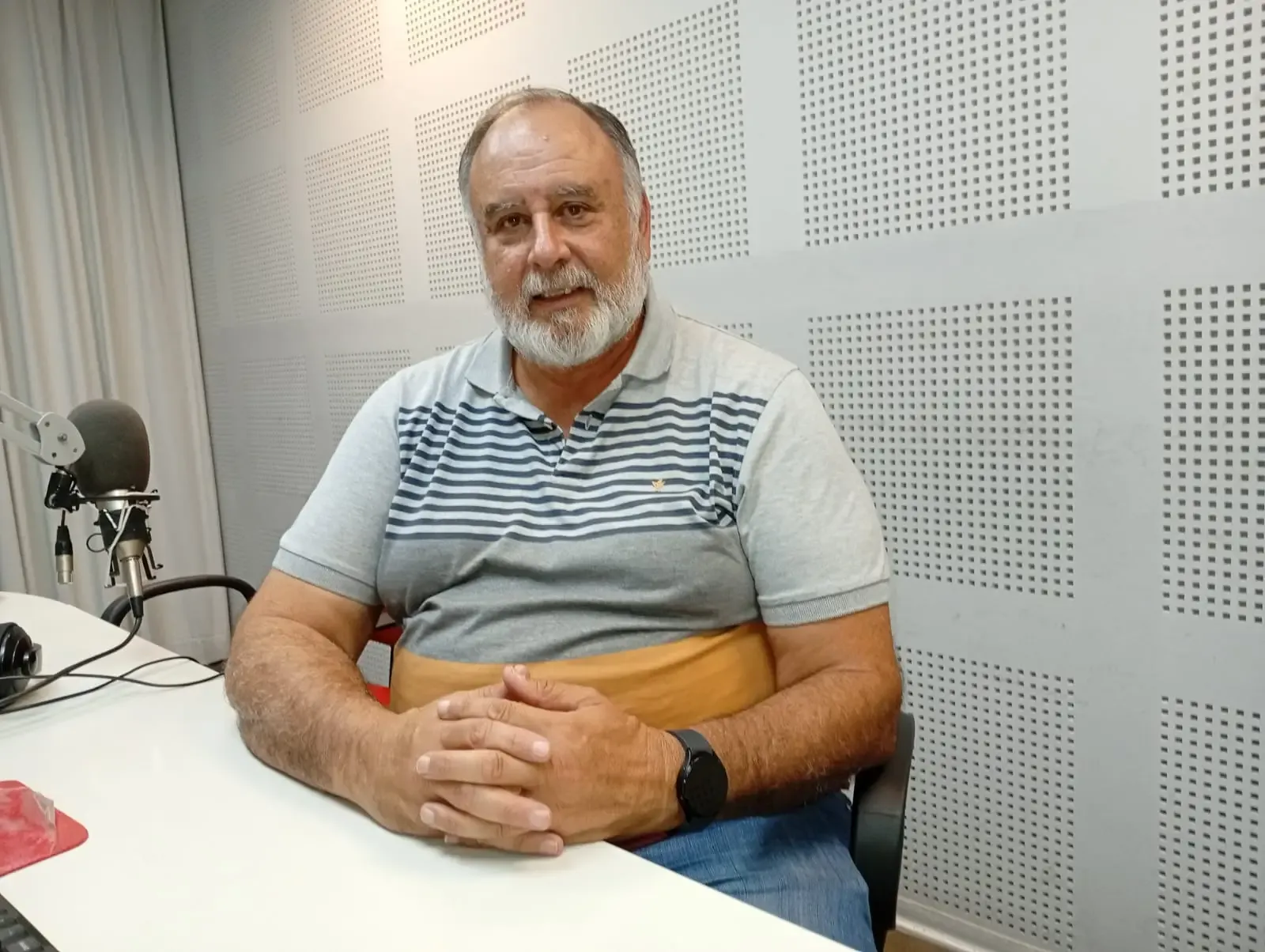
The conflict in the Middle East and its impact on the global energy market has raised concerns in the industrial and mining sectors of northern Argentina. From Jujuy, engineer Nilo Carrión—Vice President of the Industrial Union and member of the Mining Chamber of Jujuy—analyzed the current scenario, noting that the mining sector is facing uncertainty but also opportunities.
When asked about the impact of the conflict on fuel prices, Carrión explained that there are still no clear definitions, although the context is already generating concern. “We are reviewing what is happening with prices… there is a state of uncertainty,” he stated, adding that while there is no immediate direct impact, recent increases and concerns about supply in the NOA require close monitoring of market developments.
In this context, referring to the specific situation in Jujuy, he emphasized that fuel issues are deeply linked to structural factors. Distance and lack of infrastructure increase logistics costs and limit competitiveness. “The NOA region, and particularly Jujuy, is the one most affected by this type of situation,” he said, noting that this is a long-standing issue related to road conditions, lack of railways, and the need for investment.
Regarding gas supply, he again highlighted uncertainty, explaining that the international context could generate price tensions, especially if exports are prioritized. “It is uncertain,” he summarized, stressing the need for state intervention to guarantee domestic supply.
He also pointed out regional disparities in energy costs. “The reality is that we, as industrial players, sometimes pay up to 90% more for gas in Jujuy than in Buenos Aires,” he said, emphasizing that this historical issue directly impacts industrial competitiveness.
When asked about recent industrial performance, he explained that the changing economic context has forced significant adaptation. While he acknowledged improvements such as greater stability, he also warned of ongoing challenges. “It is forcing us to readapt… to unlearn and learn new ways of doing things,” he said. In this scenario, he noted that declining purchasing power has affected domestic demand, impacting several industries, although mining has proven more resilient than others.
Analyzing differences between sectors, he highlighted uneven impacts. While some activities are negatively affected by economic openness and external competition, others are finding opportunities. “Some sectors are being strengthened while others have had to shut down or halt operations,” he summarized, referring to an ongoing productive reconfiguration.
Regarding prospects for the energy and mining sectors, he considered the outlook favorable, largely due to new regulations, particularly the Incentive Regime for Large Investments (RIGI), aimed at large-scale projects. “Most of the projects entering are concentrated in the energy and mining sectors,” he explained, noting that this could translate into increased investment in the short and medium term.
On imports, Carrión stated that easing restrictions has improved business operations. “Access to importing necessary inputs has become easier,” he said, highlighting that this allows companies to acquire machinery and spare parts without previous barriers, although he acknowledged that the system is not yet fully liberalized.
Regarding the impact on local industry, he noted that Jujuy has not experienced massive closures, although some difficulties remain. “There has not been a major impact on industrial employment,” he explained, though he added that sectors such as commerce are facing more complex conditions.
On the role of mining in the current context, he emphasized that it is a sector with competitive advantages, albeit constrained by structural factors. “We are fortunate to have the resource, but unfortunate not to have optimal conditions,” he said, referring to infrastructure needs and associated development costs, particularly given reduced national investment.
He further detailed the challenges faced by companies, especially in the lithium sector. Projects must invest in roads, energy, and basic services, significantly increasing costs. “Companies have to build their own infrastructure to operate,” he stated, highlighting differences with other countries where such conditions are already in place.
Regarding national policy and the expectation that mining companies invest in infrastructure, he noted that this represents a competitive disadvantage. However, he acknowledged that current macroeconomic stability provides a more predictable framework for investment, although challenges remain.
On employment, he indicated that mining in Jujuy continues to grow, but its capacity to generate jobs is limited. “These projects cannot absorb the level of employment required,” he said, although he highlighted the positive impact on suppliers and related services.
When asked about the Bioceanic Corridor, he described it as a key initiative for regional development. “We believe it is very important for the region,” he said, noting that such projects help improve infrastructure and create new commercial opportunities.
Regarding relations with local communities, he noted that Jujuy has achieved a relatively smooth relationship. “A very particular phenomenon has occurred,” he explained, stating that many communities have strengthened through mining activity, although some conflicts persist.
Growth and Opportunities for Los Tilianes
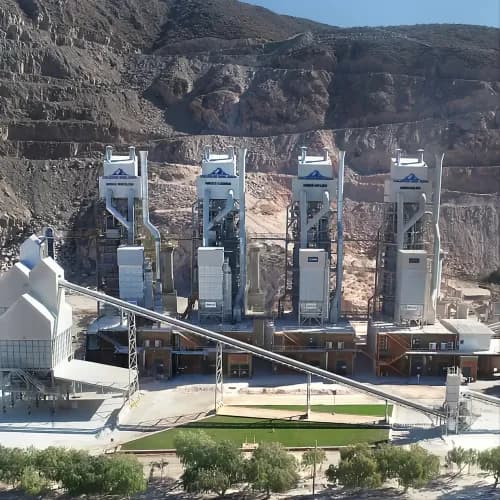
In this context, Carrión also referred to expansion plans for the company he is part of, directly linked to the growth of mining activity in the region. According to him, the company is advancing the incorporation of new production equipment that will significantly expand its operational capacity and improve product quality. “We have decided to incorporate new equipment that will allow us to grow strongly in our production capacity,” he said.
The project, currently in early stages, includes the import of technology, aligned with greater openness to capital goods. The expectation is that by the end of 2027, the new unit will be fully operational, increasing the availability of strategic inputs such as lime, essential for various mining processes.
Carrión noted that this investment reflects a medium-term vision aimed at supporting the development of lithium and other minerals in the NOA. “We are targeting the growth of the lithium industry in the region,” he said, also mentioning the potential of copper and other exploration projects.
In this regard, he emphasized the importance of anticipating demand, as the company seeks to position itself as a key supplier in a region where activity is showing increasing dynamism, both in Jujuy and Salta. “Our product is essential for mining projects and we want to be prepared,” he concluded.