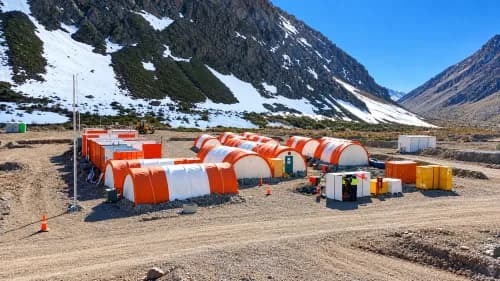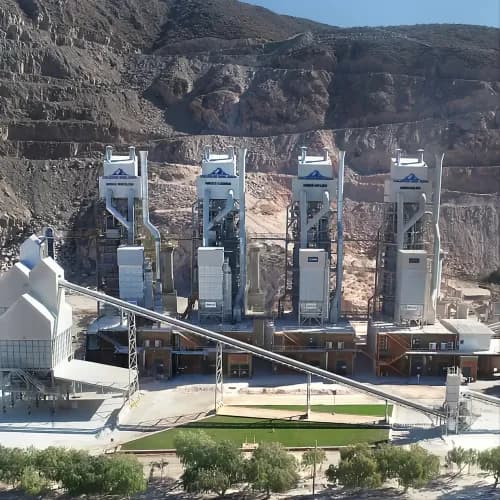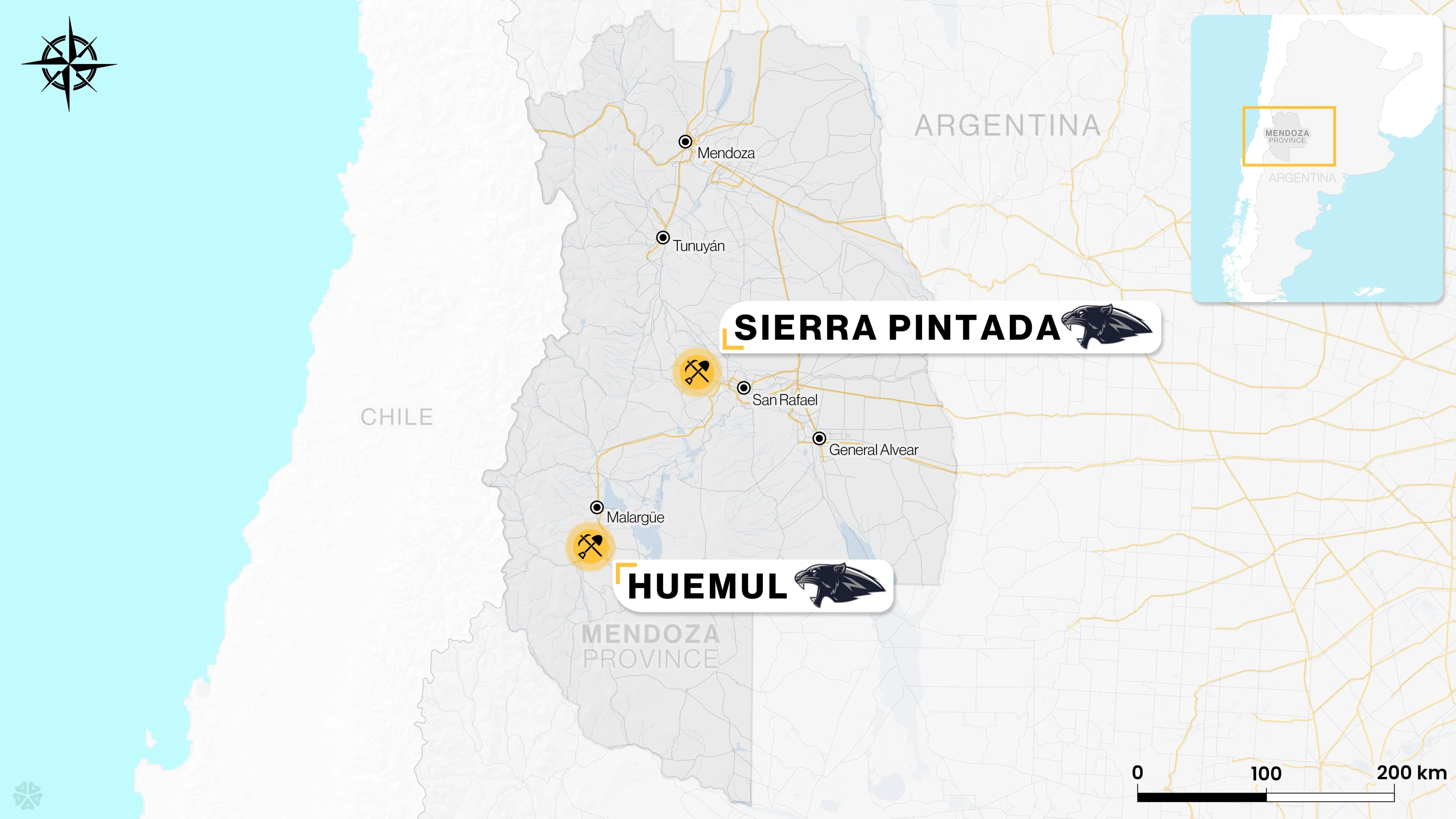
The Huemul project, located in Malargüe and operated by Jaguar Uranium, formalized the activation of its exploration program through the submission of its work plan and also announced the presentation of its budget to the Mining Environmental Authority, in compliance with the conditions established in the Environmental Impact Statement (DIA).
By Panorama Minero
The technical planning defines a work scheme structured in stages, with a 12-month execution horizon for the main tasks and an estimated investment of US$1,105,335, where drilling constitutes the central component of operational expenditure.
The only confirmed effective start corresponds to the Environmental Baseline campaign, which began on March 16, 2026, with comprehensive surveys of water, air, soil, biodiversity, periglacial environment, and socioeconomic aspects.
These tasks constitute the technical and regulatory foundation required to enable the subsequent stages of the exploration program.
Technical Program: Prospecting and Exploration
The submitted plan organizes activities into two distinct phases. The first stage, prospecting (6 months), includes review of historical data, detailed geological mapping, geochemical sampling, geophysical studies, and airborne radiometry using drones equipped with gamma spectrometric sensors, aimed at identifying anomalies associated with uranium, potassium, and thorium.
At the same time, integration of the data into three-dimensional geological models is planned for the definition of exploration targets.
The second stage, exploration (12 months), includes the execution of approximately 20 trenches and a diamond drilling campaign of 2,000 meters, distributed in successive phases with an initial scheme of 10 drillholes, along with sampling under quality control protocols (QA/QC).
Investment Structure
The total program budget amounts to US$1.1 million, with a strong concentration on drilling (US$500,000), followed by costs related to geophysics, logistics, camp, third-party services, and laboratory analysis.
The program incorporates surface and subsurface data acquisition methodologies, including advanced geophysical tools to optimize anomaly detection and the definition of exploration targets.
Conditions Prior to Drilling
According to the technical assessment of the environmental authority, progress toward higher-impact stages—including drilling—is subject to the fulfillment of additional requirements.
These include approval of the updated Environmental Baseline, submission of technical information for potential road openings, and detailed operational planning for the drilling phase, as well as responses to observations made regarding the contingency plan.
Huemul in the Critical Minerals Agenda
In parallel with the technical progress of the file, the project is beginning to be linked to the international strategy for critical minerals supply.
In February 2026, Argentina and the United States signed a Framework Instrument for the supply of critical minerals, aimed at strengthening value chains, facilitating investments, and promoting project development in this segment.
In this context, the company indicates that Huemul—given its status as a historically producing asset—could fall within initiatives eligible for international financing, including tools such as EXIM Bank or the International Development Finance Corporation (DFC), subject to evaluation and approval processes.
The project hosts uranium, copper, and vanadium within the same district—three minerals considered strategic for the energy transition and global supply security. According to the company, Jaguar plans to advance with the submission of the reference environmental study in May as a prior step to the start of exploration activities.
Current Status and Background
With the technical plan submitted and the environmental baseline underway, Huemul is entering an operational definition stage, in which the authorization of intensive field activities—especially drilling—will depend on environmental and technical validation by the mining authority.
The Huemul deposit was discovered in 1952 and operated by the National Atomic Energy Commission (CNEA) until 1976, with the development of approximately 7,000 meters of underground workings and production associated with uranium and copper mineralization.