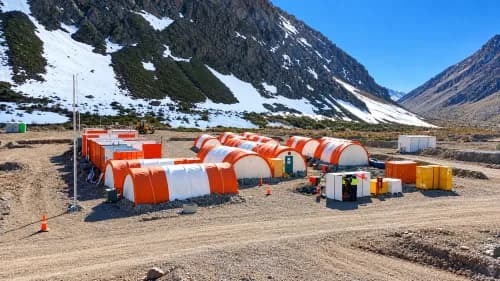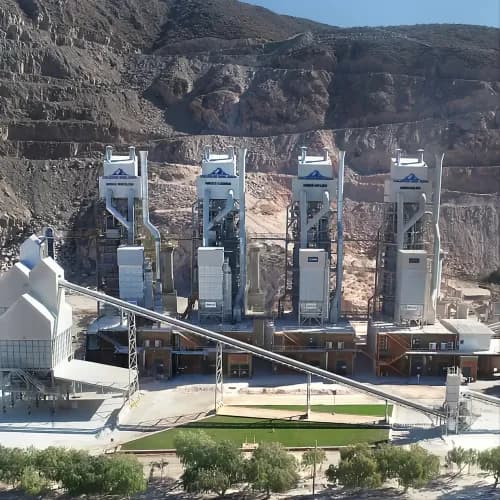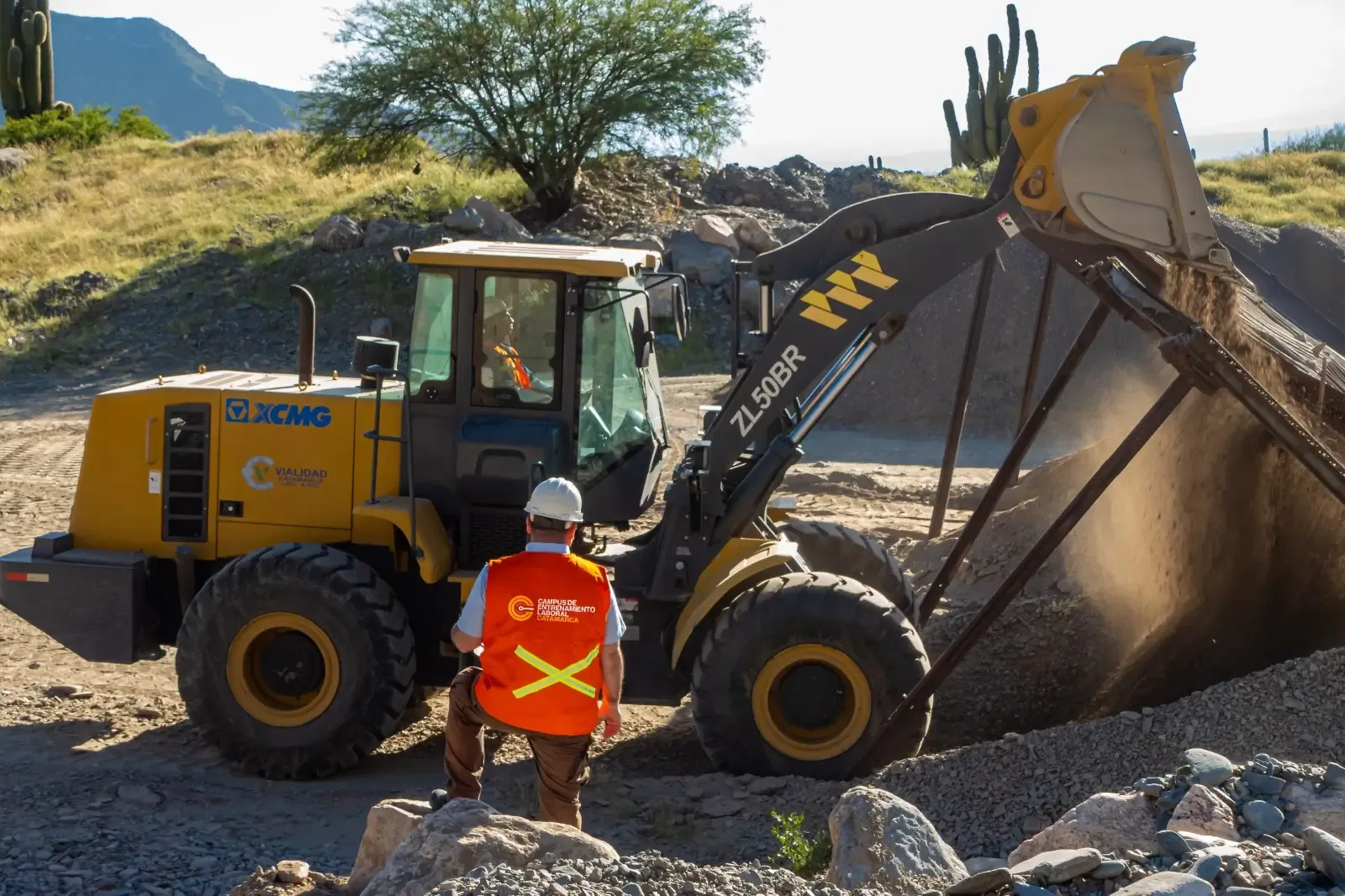
Catamarca’s Ministry of Education and Labor signed an agreement with Minera Agua Rica LLC, within the framework of the Integrated MARA Project, allowing graduates from the Road Machinery Operator training program at the Labor Training Campus to complete internships in real mining work environments.
By Panorama Minero
The agreement was signed by Minister of Education and Labor Verónica Soria and MARA Institutional Relations Manager Pablo Lilljedahl. The initiative forms part of a broader policy aimed at connecting technical education with the labor demands of the productive sector through coordination between the State, companies and training institutions.
Technical Training in Real Operating Conditions
The agreement will allow graduates from the Road Machinery Operator program to apply in the field the knowledge acquired during their training. The internship stage will take place under safety protocols, technical support and permanent supervision.
The framework also includes the use of the Ministry’s road machinery simulator as a complementary training tool designed to strengthen operational skills before exposure to real productive environments.
This sequence combines classroom instruction, simulator-based training and field practice, a structure intended to address one of the mining industry’s most frequently identified challenges: the availability of technical profiles with verifiable practical experience.
Previous Experience at the MARA Project
The Labor Training Campus already has previous experience within the same project. Graduates from the Driller Assistant training program completed workplace training in a real operational environment at MARA.
That experience allowed participants to strengthen technical skills, incorporate routines specific to productive environments and consolidate the training process initiated in the classroom.
The new agreement expands that framework toward another occupational profile required by mining activity, linked to road machinery operation.
Coordination Between State, Industry and Training Institutions
The agreement reinforces the role of the provincial State as a coordinator between educational supply and private-sector demand. Within this framework, the Labor Training Campus operates as a platform connecting technical education with the mining labor market.
The participation of the UOCRA Foundation in delivering the training programs also adds a labor-union component to the model, particularly in profiles related to construction, operations and services associated with mining projects.
The expansion of this type of agreement aims to strengthen the availability of trained local workforce at a time when mining projects increasingly require technical profiles with specialized training and the ability to adapt to operational environments.