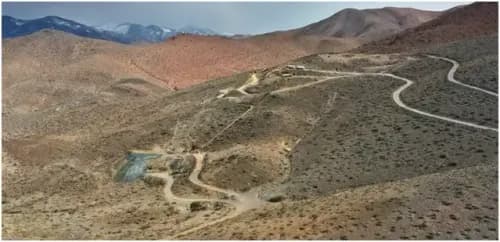
In the early hours of Thursday, the Argentine Government published in the Official Gazette the resolution approving the Vicuña project's application to the Large Investment Incentive Regime (RIGI), formally incorporating one of the largest mining investments planned in the country's history.
By Panorama Minero
Resolution 1154/2026 classifies the project as a Long-Term Strategic Export Project (PEELP) and approves the investment plan submitted by Vicuña Argentina S.A., the company jointly owned by BHP and Lundin Mining to integrate and develop the Josemaría and Filo del Sol deposits, located between San Juan Province, Argentina, and Chile's Atacama Region.
According to the resolution, the project will require a US$9.737 billion investment, of which US$9.024 billion qualifies as eligible assets under the RIGI framework. The plan covers the extraction, production and export of copper, gold and silver, as well as the development of strategic infrastructure, including a concentrator plant, mineral processing facilities, power infrastructure, water supply systems, access roads and other facilities required for the future operation.
The investment will be executed in two phases. The first runs from July 2024 through December 2026, while the second extends from January 2027 through December 2031. The resolution also establishes December 31, 2028, as the deadline for meeting the minimum investment commitment required under the regime.
The approval marks another milestone for a project that presented its Preliminary Economic Assessment (PEA) in February this year, outlining a three-phase development strategy. The study estimates an initial investment of more than US$7.1 billion for the first phase and approximately US$18 billion for the full development of the mining district. According to the PEA, Vicuña has the potential to produce an average of 395,000 tonnes of copper, 711,000 ounces of gold and 22.2 million ounces of silver annually during its first 25 years of operation, with an initial mine life exceeding 70 years.
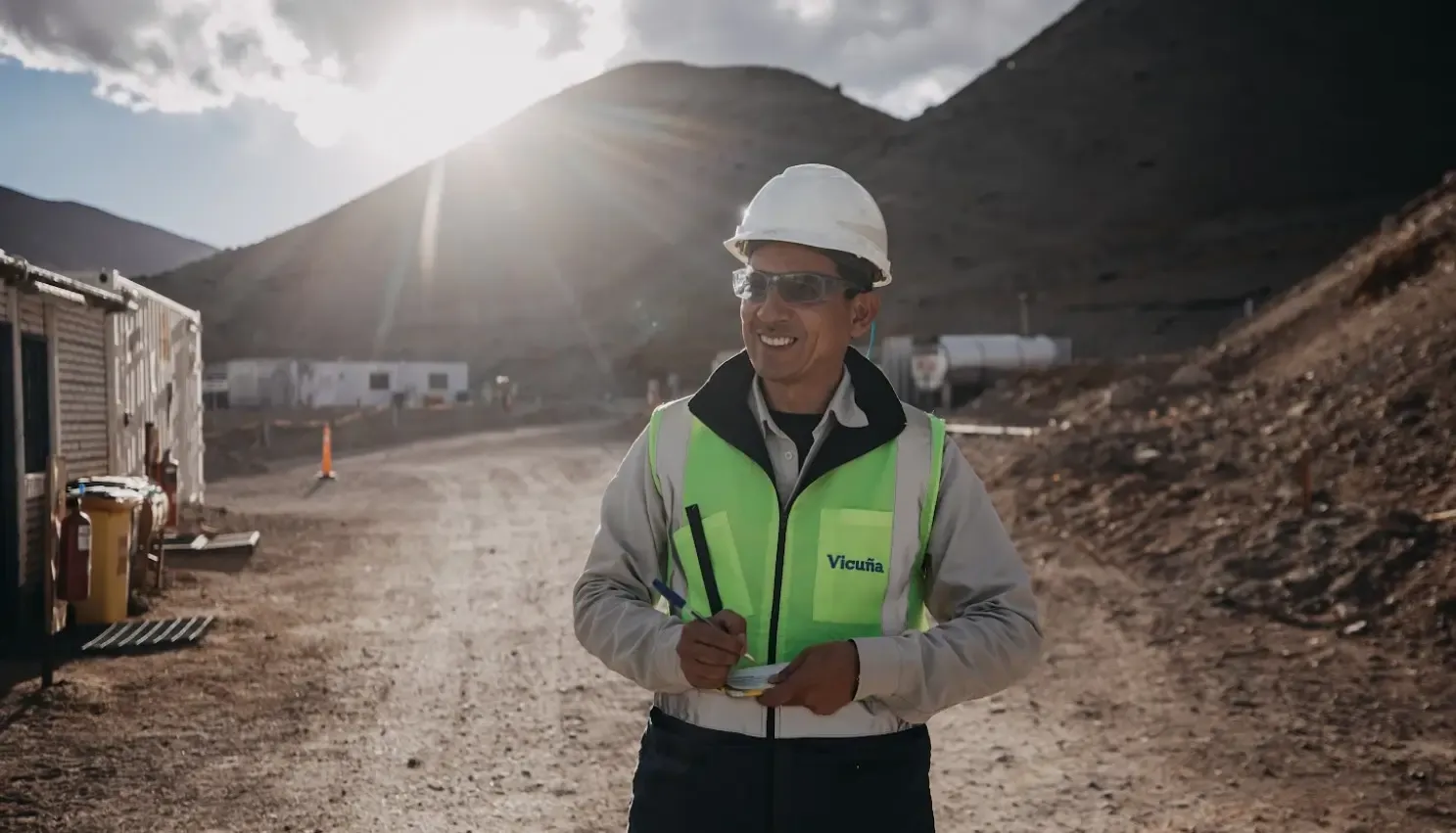
Alongside engineering work and permitting activities, the company continues to invest in infrastructure and equipment to prepare the project's first development phase. Vicuña currently employs 2,743 people, including 2,580 in Argentina, while more than 81% of its workforce is made up of residents from San Juan Province. The project also works with a network of 245 suppliers, 150 of which are based in San Juan.
The resolution published on Thursday also approves the list of goods eligible for import under the benefits granted by the RIGI, accepts the dispute resolution mechanism proposed by the company, and orders the project's registration in the Long-Term Strategic Export Projects Registry. It also assigns the Secretariat of Mining responsibility for monitoring and overseeing compliance with the obligations assumed by the project vehicle.
Finally, the official resolution establishes June 3, 2026, as the project's effective date of accession to the RIGI, although the approval was formally published in the Official Gazette on July 30, making the regime's benefits effective from that earlier date.