Mendoza Brought Back Into Operation a Historic Institution Within Its Mining Framework. The Mining Council, which for decades played an active role in the administration of mining rights and the resolution of proceedings related to mining concessions and survey disputes, was formally reactivated this week under the new structure established by the reform of the Mining Procedure Code.
By Panorama Minero
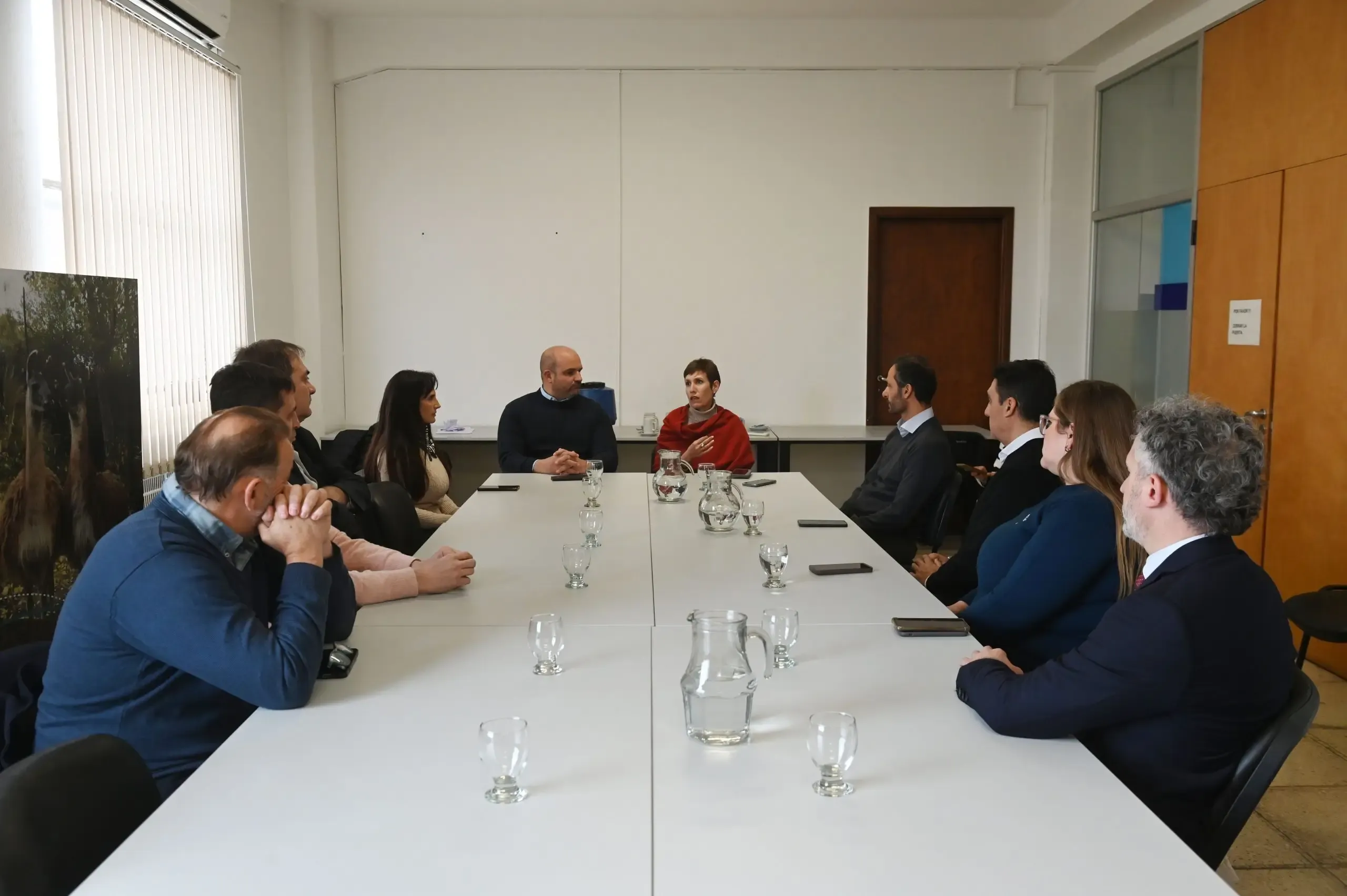
The reactivation was led by Minister of Energy and Environment Jimena Latorre and Deputy Minister of Energy and Mining Manuel Sánchez Bandini during the Council's first formal meeting, following its official reestablishment by the provincial government. According to the official explanation, the Council resumes operations as an institutional strengthening mechanism intended to participate in various mining procedures and reinforce transparency, legal certainty, and the administrative quality of Mendoza's mining system.
However, its return does not represent a full restoration of the powers it historically exercised. The new framework redefines its scope and substantially changes the distribution of administrative authority within the province's mining structure.
From Mining Authority to Review Body
Until the enactment of the new Mining Procedure Code, the Mining Council played a central role in the administrative operation of the sector. Its responsibilities extended well beyond consultation or technical review: it formed part of the provincial mining authority and exercised decision-making powers over mining concessions, forfeitures, survey disputes, and various administrative appeals related to mining rights.
This framework positioned the Council as a structural component of the system, with direct authority over the legal status of mining projects. With the reform promoted by the provincial Executive Branch, that framework changed.
The new Code concentrated first-instance mining authority within the Mining Directorate, while the Council was redefined as a second-instance administrative and advisory body within the Ministry of Energy and Environment. In practical terms, the center of mining decision-making shifted to the Director of Mining.
This means that the Council no longer acts as the original decision-making authority but rather as a subsequent body responsible for administrative review and institutional oversight.
The Debate That Almost Eliminated It
The Council's new role was not without political and technical debate. During the legislative discussion of the Mining Procedure Code reform in 2024, the original bill proposed eliminating the Council altogether through Article 4, together with the repeal of the law that created the Mining Directorate.
That proposal prompted objections from various sectors linked to the mining industry. Business chambers, professional associations, and technical representatives warned about the concentration of powers that the proposed administrative structure would create and questioned the elimination of a long-standing review and oversight body.
Those concerns led lawmakers to revise part of the bill, and the Council was ultimately retained within the final framework, although under a different structure and with more limited powers.
The result was an intermediate model: neither a full continuation of the previous system nor the complete elimination of the institution.
A New Stage for an Expanding Industry
The reactivation of the Mining Council comes at a time of growing activity within Mendoza's mining sector. With projects such as PSJ, the progressive development of Malargüe Western Mining District, and new exploration initiatives such as Don Luis, the province is increasingly demanding greater administrative efficiency and legal certainty.
In this context, the return of the Mining Council restores an institutional body that had remained largely inactive for years, although under a format adapted to the new model that Mendoza has chosen to organize its mining sector.
Its return represents a sign of institutional continuity, while also confirming that the distribution of administrative authority within the system is no longer the same.