The European Union (EU) has identified lithium, copper, cobalt, nickel, gallium, boron, and rare earth elements as critical minerals essential to the energy transition and technological innovation. In this context, it launched a series of initiatives aimed at diversifying its supply sources—primarily to reduce dependence on China—by promoting the extraction, processing, and recycling of these minerals within its own borders.
By Panorama Minero
This effort led to the selection of 47 key projects under the Critical Raw Materials Act (CRMA), which sets targets for 2030: to extract 10% of the EU’s annual consumption, process 40%, and recycle 25% of these essential materials.
These projects span 13 EU member states: Belgium, France, Italy, Germany, Spain, Estonia, Czechia, Greece, Sweden, Finland, Portugal, Poland, and Romania. In parallel, the EU launched a policy of strategic partnerships with countries in the Americas and Africa to secure access to critical minerals. Argentina was the first country with which such an agreement was signed, more than two years ago.
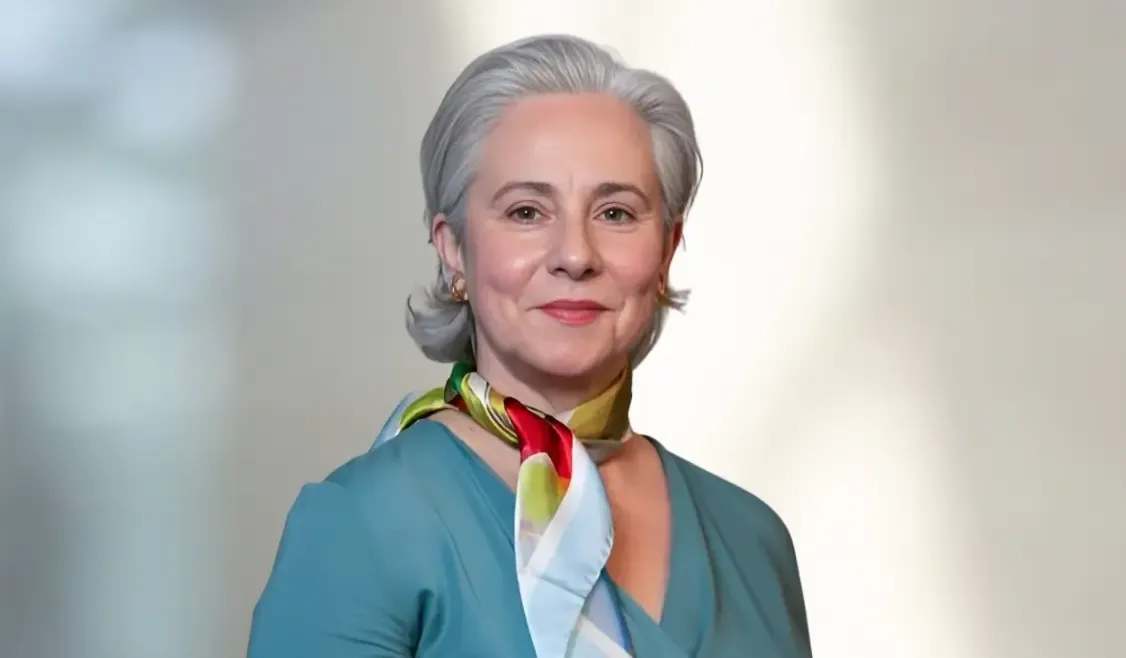
During ArMinera 2025—organized by CAEM and Messe Frankfurt at La Rural—Ilse Cougé, Head of Cooperation at the EU Delegation to Argentina, spoke with Panorama Minero about the current status of the agreement, the recent copper-focused trade mission, and the EU’s view of Argentina’s mining potential.
What is the current status of the Strategic Partnership on Critical Minerals between the EU and Argentina?
We signed a memorandum of understanding with Argentina in July 2023 to identify mutually beneficial activities and opportunities. We now have a roadmap with concrete actions, such as promoting European investment in Argentina, fostering geological cooperation, and engaging in joint research efforts. Since then, we have been working to implement those objectives.
As part of that effort, we have already carried out three business missions: two focused on lithium, involving European mining and industrial companies from across the value chain—technology, equipment, etc.—and a more recent mission dedicated to copper. That last mission included financial institutions, development banks, and export and investment promotion agencies, all focused on project financing mechanisms.
We are also engaged in broader cooperation initiatives and are coordinating EU and member state funding. This point will be key in our future approach.
What were the outcomes of the copper mission in San Juan? What did you find?
We’ve been working specifically with the province of San Juan for a year now, and we consider it a strategic partner. It holds great potential for establishing an effective partnership with the EU and our companies. What we saw was a copper sector with very dynamic projects and a strong commitment to sustainable development under environmental and social standards. The provincial government is also highly engaged and has a clear vision for the sector’s growth.
What do you mean by San Juan’s commitment?
We’re referring to investment and infrastructure plans aimed at improving operational conditions for mining projects, alongside the integration of renewable energy. The province has a clear and consistent vision for responsible development, which aligns well with the European Union’s values and goals.
Does San Juan represent what the EU is looking for?
Yes, exactly. San Juan is a province with many opportunities, and its way of working fits well with what we’re looking for. I’d also like to highlight the importance of social license in mining, which is relatively well established in San Juan thanks to ongoing efforts.
What kind of collaboration is the EU offering?
Through the Team Europe approach, we have tools to engage directly in mining projects and their associated infrastructure. We are particularly interested in promoting investment in renewable energy. It’s also critical to support development surrounding mining projects—local suppliers, engagement with communities, and strengthening governance.
Additionally, we are promoting technical training to align local skills with project demands. In San Juan, we heard about both opportunities and challenges, and one of the most common was human resources. Copper projects like those planned in the region can generate between 6,000 and 10,000 jobs each—and there are six projects in the pipeline. That means a significant demand for skilled labor across a variety of roles, and we want to support that process as well.
We are aiming for a 360° approach, consistent with the Global Gateway strategy, which integrates social, environmental, and institutional governance dimensions.
How do you see Argentina in the next phases of mining development?
At ArMinera, we had an institutional meeting with the Secretariat of Mining of Argentina. We see that the national government's vision is aligned with the European agenda. That’s very valuable because it allows for coordinated and reinforced efforts within a shared strategy.
Is this agreement designed as a long-term partnership?
Yes. This agreement was specifically designed for the mining sector, taking into account the long timelines involved. At the EU level, we’ve launched calls for strategic projects where proposals from around the world are welcome. To receive the EU strategic label, projects must reach production by 2030. However, we understand that copper projects may take longer, so we are adapting our collaboration mechanisms to fit that reality.
Does the EU have similar strategic agreements with other countries?
Yes, we have signed one with Chile and are in discussions with Brazil, as well as engaging in dialogue with several African countries. But Argentina was the first country to sign this type of agreement with us, and we’ve made very good progress.
Why did you choose Argentina? What makes it attractive?
First, its geological potential. But also the sector’s energy and willingness to grow. In the past year, we’ve seen a shift in the macroeconomic environment, and the implementation of the RIGI was a key factor. Companies tell us they now see favorable conditions for entering the mining sector. That shift has created a more attractive investment climate, and that’s why we want to accelerate our partnership with Argentina.
What role does the international context and trade tensions play in this agreement?
The EU is strongly committed to the green transition and also to strengthening its defense capabilities. Ensuring access to critical raw materials from reliable sources is essential for both.
Mining in Europe does exist, and we want to expand it. But we also aim to diversify supply chains through partnerships with trusted strategic partners like Argentina, Chile, and Brazil. The goal is to build a robust, sustainable system that meets the highest environmental, social, and social license standards.