While lithium production and exploration in Argentina have historically been concentrated in the salt flats of Jujuy, Salta, and Catamarca—the so-called Lithium Triangle alongside Chile and Bolivia—Mendoza has begun advancing its own exploration strategy in the southern part of the province. The “Don Luis y Otro” project, which has just received a favorable ruling in the Senate for the ratification of its Environmental Impact Declaration (DIA), seeks to explore brines in the Salinas del Diamante area, located in San Rafael and Malargüe.
By Panorama Minero
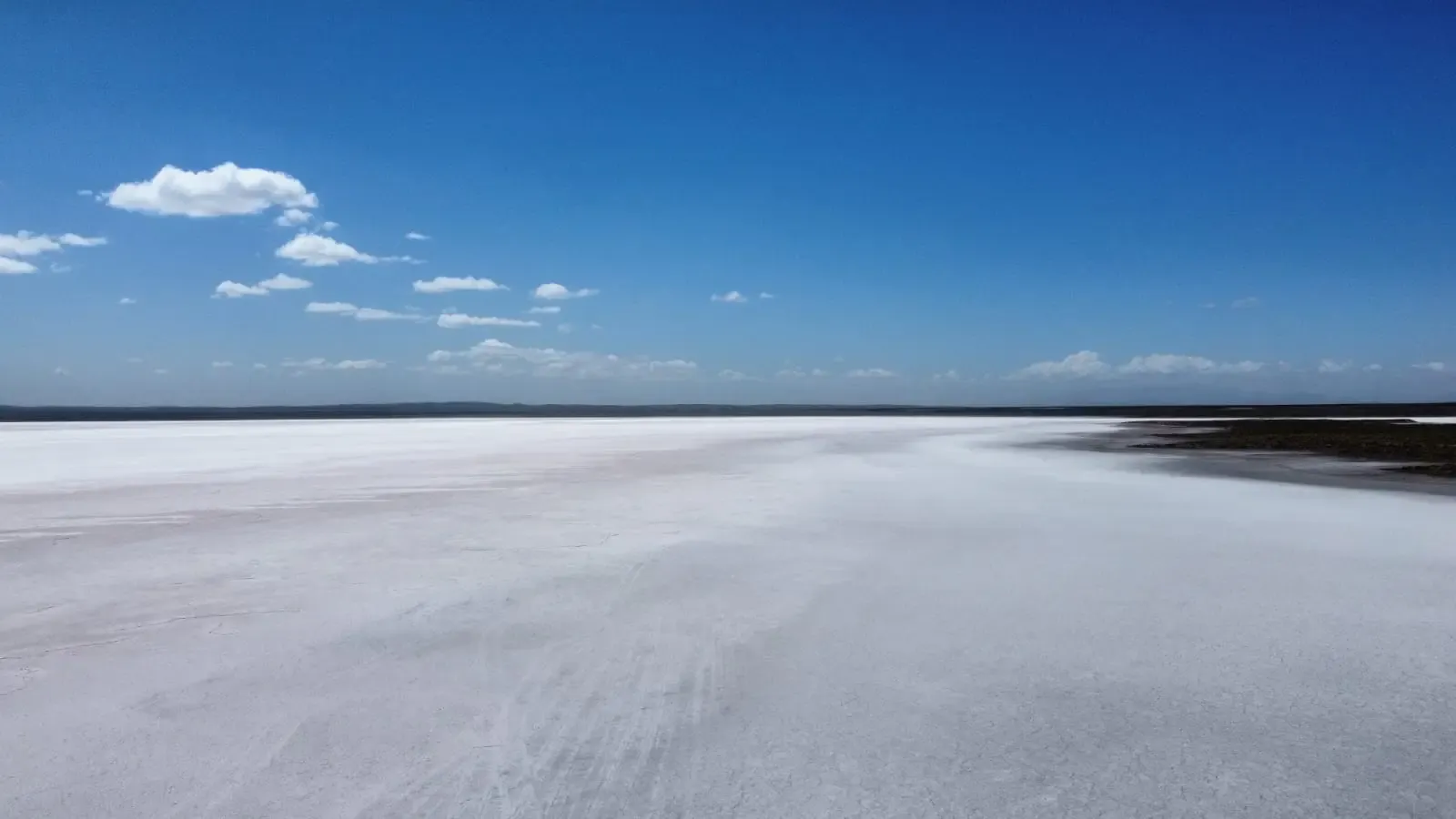
The initiative represents one of the first concrete attempts to position Mendoza within Argentina’s lithium map, albeit outside the traditional basins of Northwestern Argentina (NOA). The project covers an area of 234,256.5 hectares and is located within an endorheic basin containing evaporitic salt accumulations, where exploration is aimed at identifying lithium concentrations in underground brines through geophysical studies and future deep drilling campaigns.
The favorable ruling was granted during a joint meeting of the Senate’s Environment, Hydrocarbons, and Legislative and Constitutional Affairs committees after reviewing the project’s technical and environmental documentation. With this approval, the initiative is now eligible to advance to a full Senate vote, which will determine whether Mendoza formally authorizes the start of exploration activities for a lithium project.
This legislative step also represents a significant milestone for the local mining sector, as the project seeks to develop brine exploration outside the traditional NOA basins under the regulatory framework established by Law 7,722.
The project is being promoted by Ampere Lithium and El Jarillar S.A., companies that expanded the project’s area of influence into Malargüe during 2025 through the acquisition of additional mining properties, consolidating one of the largest lithium-focused exploration land packages in Mendoza.
Geophysics, Brines, and Deep Drilling
The project’s technical strategy contemplates an initial exploration phase based on magnetotelluric surveys; a geophysical methodology used to measure subsurface electrical resistivity and identifies potential deep saline fluid reservoirs.
This approach will help define exploration targets before advancing to drilling campaigns, which, according to the technical plan, could reach depths ranging from 90 to 600 meters, depending on the results obtained during the initial geophysical phase.
The project is located within the Salinas del Diamante area, an evaporitic system where the exploration hypothesis is based on the existence of lithium-bearing brines. Unlike Mendoza’s traditional metalliferous projects, the geological model associated with “Don Luis y Otro” is linked to the exploration style that predominates across much of Northwestern Argentina.
As part of the company’s technical approach, future stages may also incorporate Direct Lithium Extraction (DLE) technologies. This processing method seeks to recover lithium from brines while reducing the need for large evaporation ponds, minimizing the project’s physical footprint and improving lithium recovery times.
Mendoza Lithium Enters the Framework of Law 7,722
The legislative progress also marks the formal entry of “Mendoza lithium” into the institutional framework established by Law 7,722.
The Environmental Impact Declaration was approved by the Directorate of Mining and the Directorate of Environmental Management and Oversight but still requires legislative ratification before becoming fully effective.
Before reaching the Senate, the project completed a technical, environmental, and institutional evaluation process that included participation from provincial, municipal, and national agencies, as well as a technical site visit and two public hearings held in San Rafael and Malargüe.
Among the environmental conditions imposed on the project are continuous updates of the environmental baseline, monitoring of water, air, soil, flora, and fauna, the submission of contingency plans, sector-specific permits, environmental insurance, periodic inspections, and the preparation of an Indigenous social baseline study.
The framework approved by the Mining Environmental Authority also provides for unannounced inspections, periodic reporting requirements, penalties for non-compliance, and mandatory environmental updates every two years.
Following the favorable committee ruling, “Don Luis y Otro” is now closer to becoming the first lithium exploration project in Mendoza to fully complete the political and environmental approval process established under Law 7,722, in a province seeking to expand its mining portfolio beyond copper, gold, and potash.