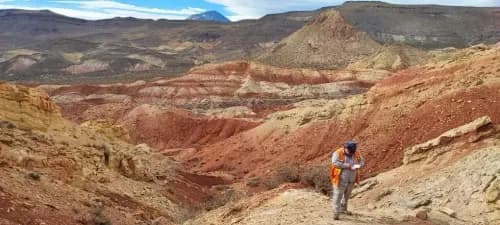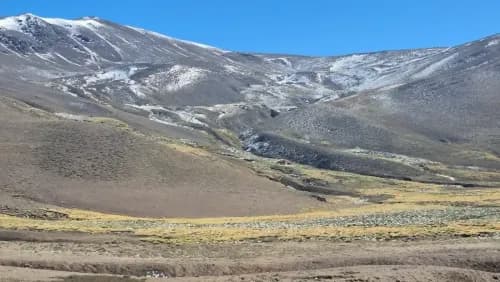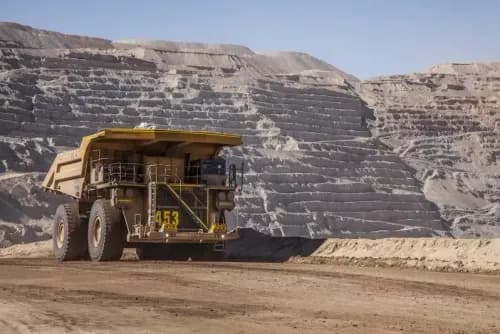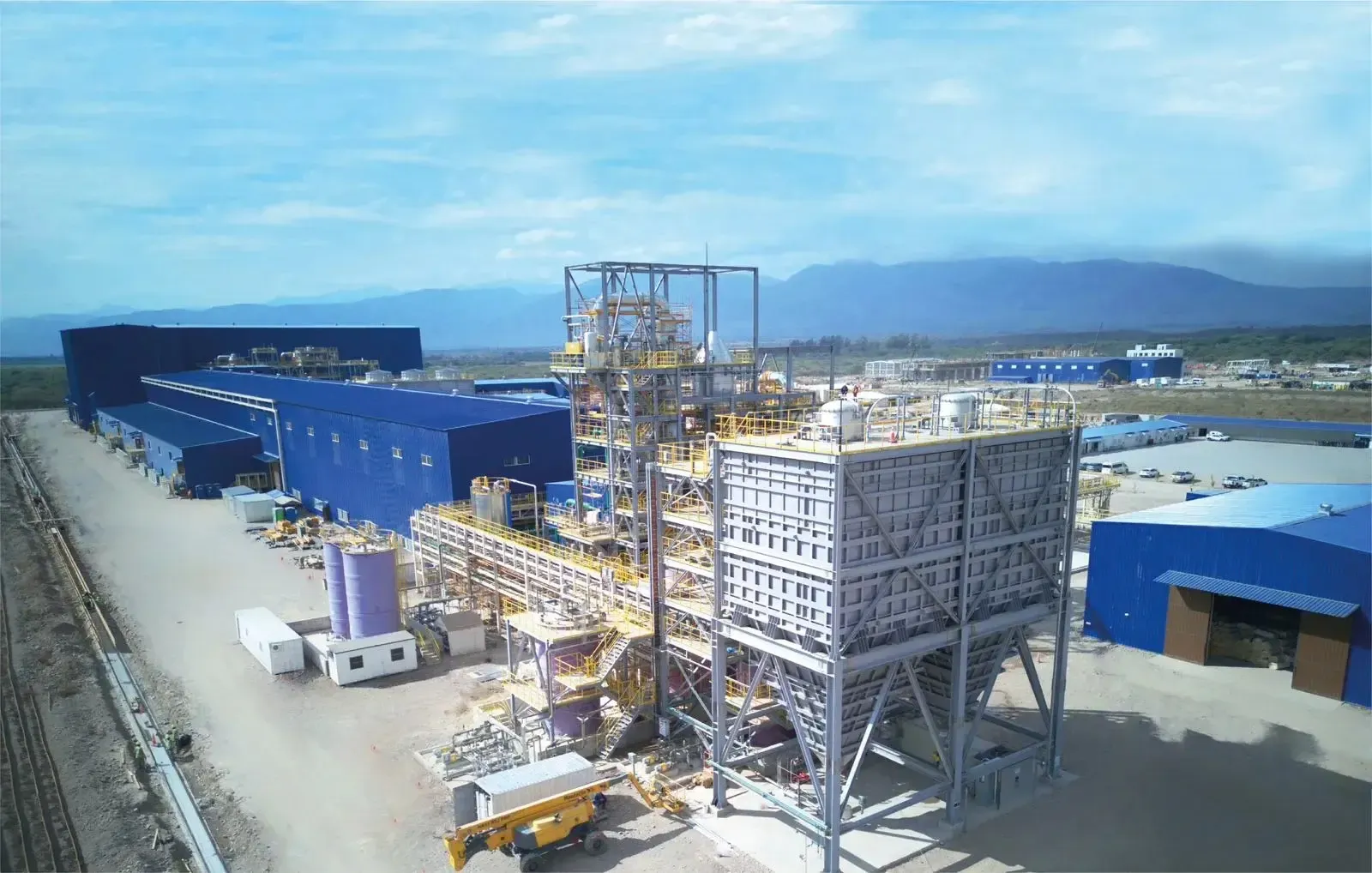
South Korean company POSCO will inaugurate Plant 2 of the Sal de Oro Project on October 6, at the Salar del Hombre Muerto, in the mining cooperation zone between Salta and Catamarca. The new facility will have an operating capacity of approximately 23,000 tonnes of lithium carbonate per year and will begin its gradual production ramp-up process during 2027.
By Panorama Minero
The event will include simultaneous activities in the Puna, the city of Salta and San Fernando del Valle de Catamarca, in a day that will bring together national and provincial authorities, institutional representatives, communities and companies linked to the development of the project.
The inauguration also represents a new scale milestone for POSCO in Argentina: the lithium hydroxide production that the company already carries out in General Güemes is now joined by a second plant dedicated to carbonate, while the company prepares a new stage of expansion.
A New Plant for Sal de Oro
Plant 2 corresponds to Phase 2 of Sal de Oro and is located at the Salar del Hombre Muerto. The facility will have a capacity of approximately 23,000 tonnes of lithium carbonate per year, and its production will be entirely destined for export.
The new unit will use a conventional process that combines brine concentration through solar evaporation with subsequent chemical treatment.
The start of commercial operations will be accompanied by a ramp-up period during 2027, through which POSCO will progressively bring the plant toward its design capacity.
From the Puna to General Güemes
For POSCO, Sal de Oro constitutes an integrated scheme that links primary production in the Puna with chemical processing in Salta.
The company already has a lithium hydroxide plant in the General Güemes Industrial Park. This facility, corresponding to the first phase of the project, has a design capacity of 25,000 tonnes per year and currently operates at around 85% of that level.
With the addition of Plant 2, POSCO will have nominal capacities of 23,000 tonnes of lithium carbonate and 25,000 tonnes of lithium hydroxide.
The integration between both facilities constitutes one of the central aspects of the development for Salta, linking mining activity in the Puna with a stage of industrial processing located in General Güemes.
The Next Leap: 100,000 Tonnes
The October 6 inauguration will also have a strategic component. POSCO plans to sign an agreement with the National Government during the event to move forward with an expansion of Sal de Oro that would increase the project’s capacity to 100,000 tonnes of lithium per year.
International Financing
The growth of Sal de Oro is also being supported by international financing. IDB Invest approved a structure of up to US$700 million to support the commissioning and gradual production ramp-up of POSCO Argentina’s operations.
The financing contemplates up to US$250 million in direct participation from IDB Invest and up to US$450 million additionally mobilized through private financial institutions.
The transaction is linked to the development and operation of the lithium hydroxide and lithium carbonate plants and constitutes one of the relevant financial supports for the industrial consolidation of the project.
More Suppliers and Industrial Activity in Salta
The impact of the project is not limited to lithium extraction. POSCO reported that it currently has more than 600 direct employees and works with more than 270 local suppliers from Salta and other provinces, in addition to subcontractors linked to the different operations.
The company also highlighted the technical training programs developed through its Tech Center, with certifications from the Salta Ministry of Education.
The expansion of Sal de Oro thus represents a new stage for the provincial mining value chain: greater activity in the Puna, chemical processing in General Güemes, the generation of specialized employment and demand for goods and services linked to the operation.