Revegetation activities at Vega de Trapiche, in Catamarca’s puna region, are showing measurable progress as part of an environmental recovery plan in an area adjacent to lithium operations in the Salar del Hombre Muerto.
By Panorama Minero
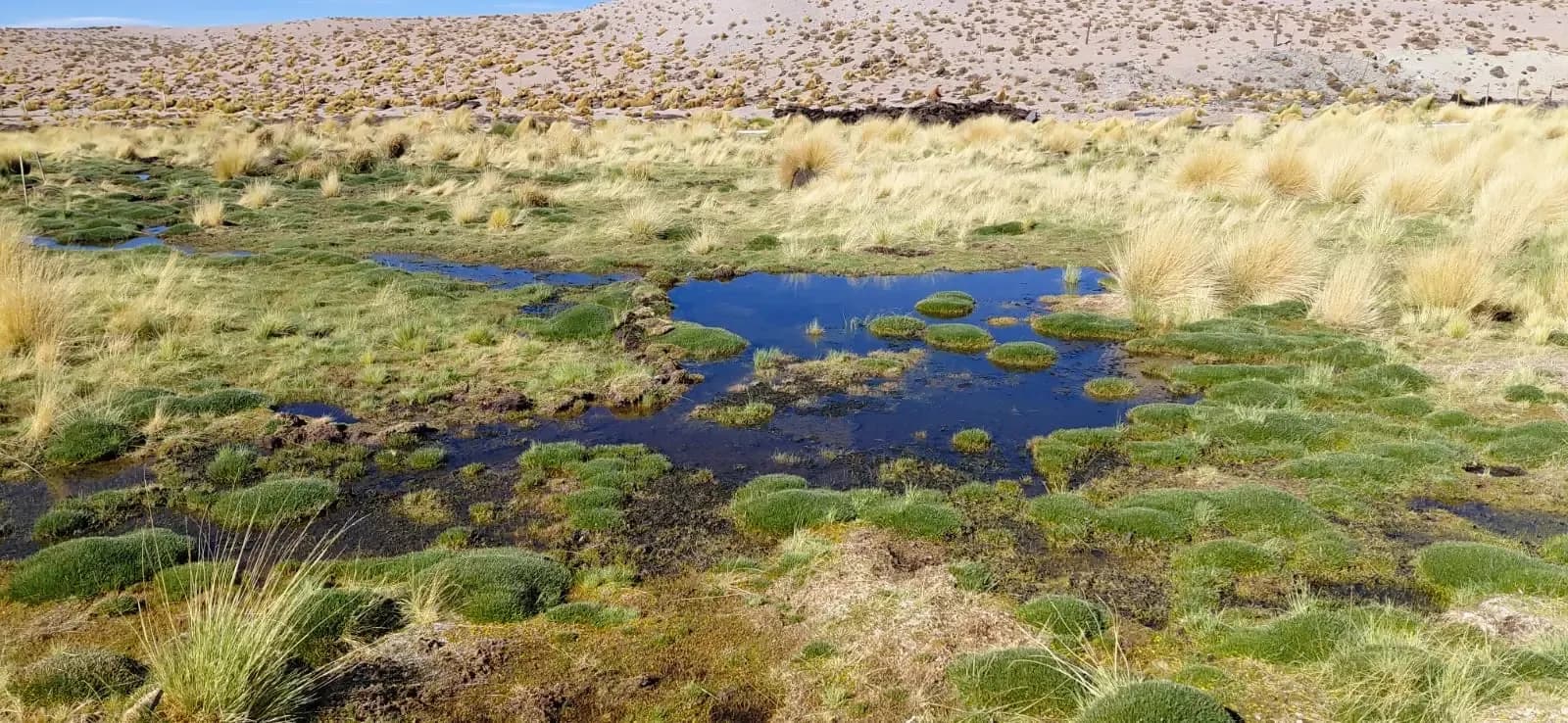
Since the process began in 2020, a total of 2.56 hectares have been revegetated, representing 19% of the 13.5-hectare area. Of the total restored surface, 91% corresponds to natural regeneration, while the remaining 9% results from direct vegetation planting.
The work is being carried out through a joint framework between the Catamarca provincial government and the project operator, with participation from technical institutions and local communities.
Intervention and applied method
The activities include the planting of native species (grass sods) combined with a system designed to promote natural ecosystem regeneration. The methodology involves the removal of dry peat that had prevented root development and planting in alternating strips, allowing subsequent natural vegetation colonization.
These efforts are complemented by improvements in traditional irrigation systems, land leveling and restoration of green areas, along with ongoing environmental monitoring.
The current approach builds on earlier pilot tests. Since 2022, the application of this method has enabled faster expansion of vegetation cover and an increase in biodiversity.
Project framework
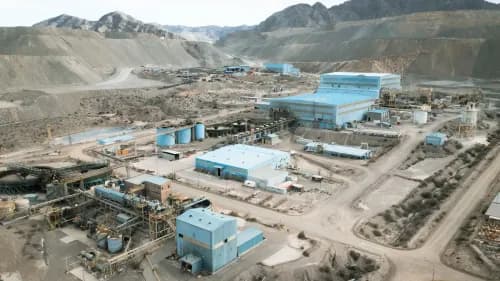
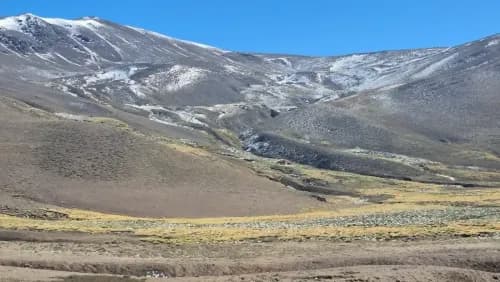
Vega de Trapiche is located within an intervened environment in the Salar del Hombre Muerto area, where lithium projects are currently being developed. Within this context, a rehabilitation plan was implemented to restore ecosystem conditions.
The program was presented by the project operator in coordination with public institutions, local communities and technical entities, and includes actions related to vegetation cover and water management.
The project includes two main stages: the closure of the inactive wetland area and the implementation of a vegetation transplant system and irrigation reconfiguration, both evaluated and approved by the mining authority.
Progress and continuity of work
Since 2022, four planting campaigns have been completed, accounting for the currently restored area. The species used were sourced from the same site, following criteria designed to avoid impacting areas already under restoration.
Work is ongoing, focused on the gradual recovery of the ecosystem based on the results achieved so far.
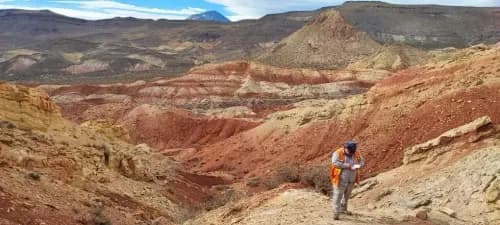
The process is overseen by the Catamarca Ministry of Mining, which conducts monitoring and control activities. Based on these reviews, adjustments were made to the intervention plan and a formal rehabilitation program was required.
The framework includes the participation of technical institutions and local communities in monitoring the work.