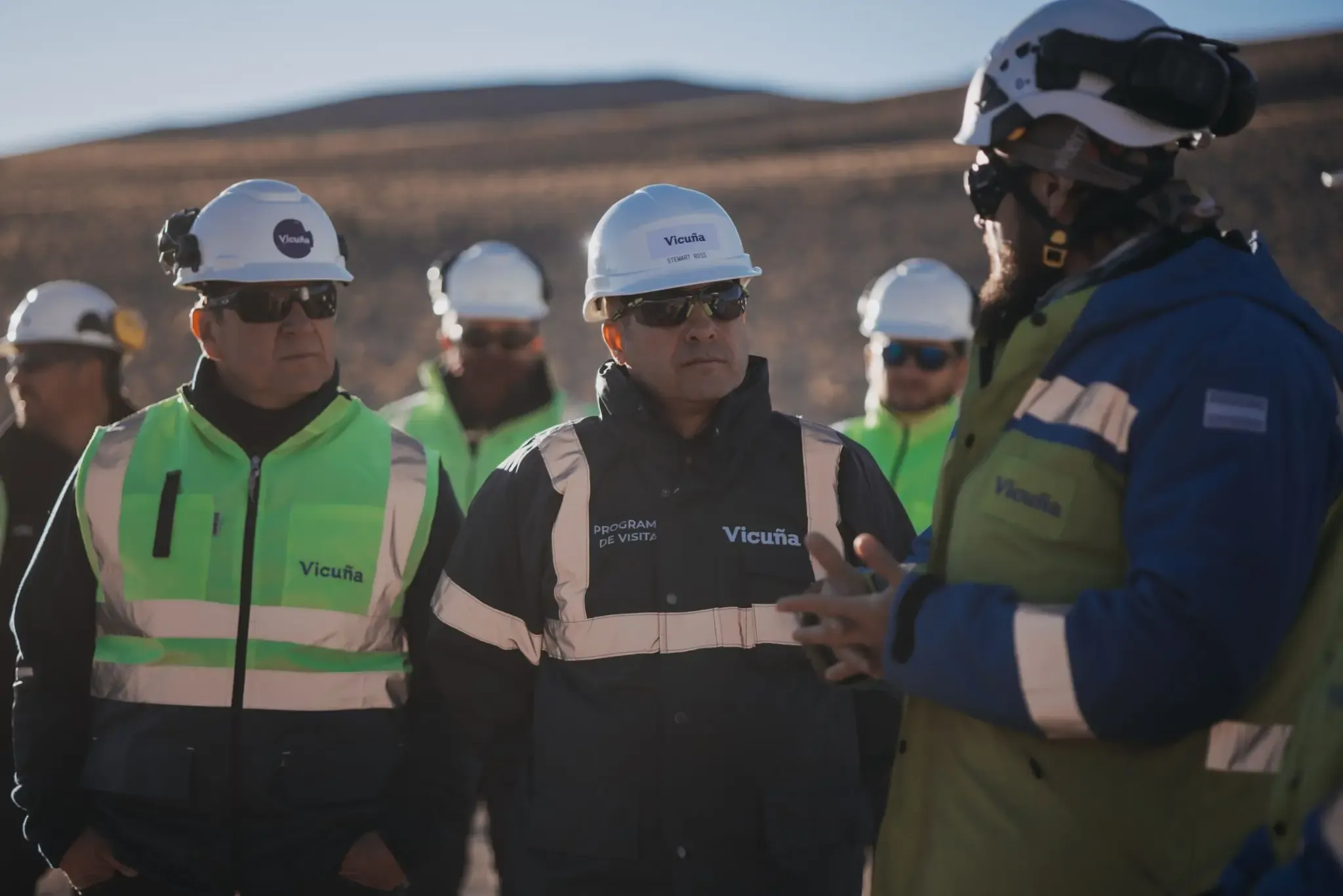
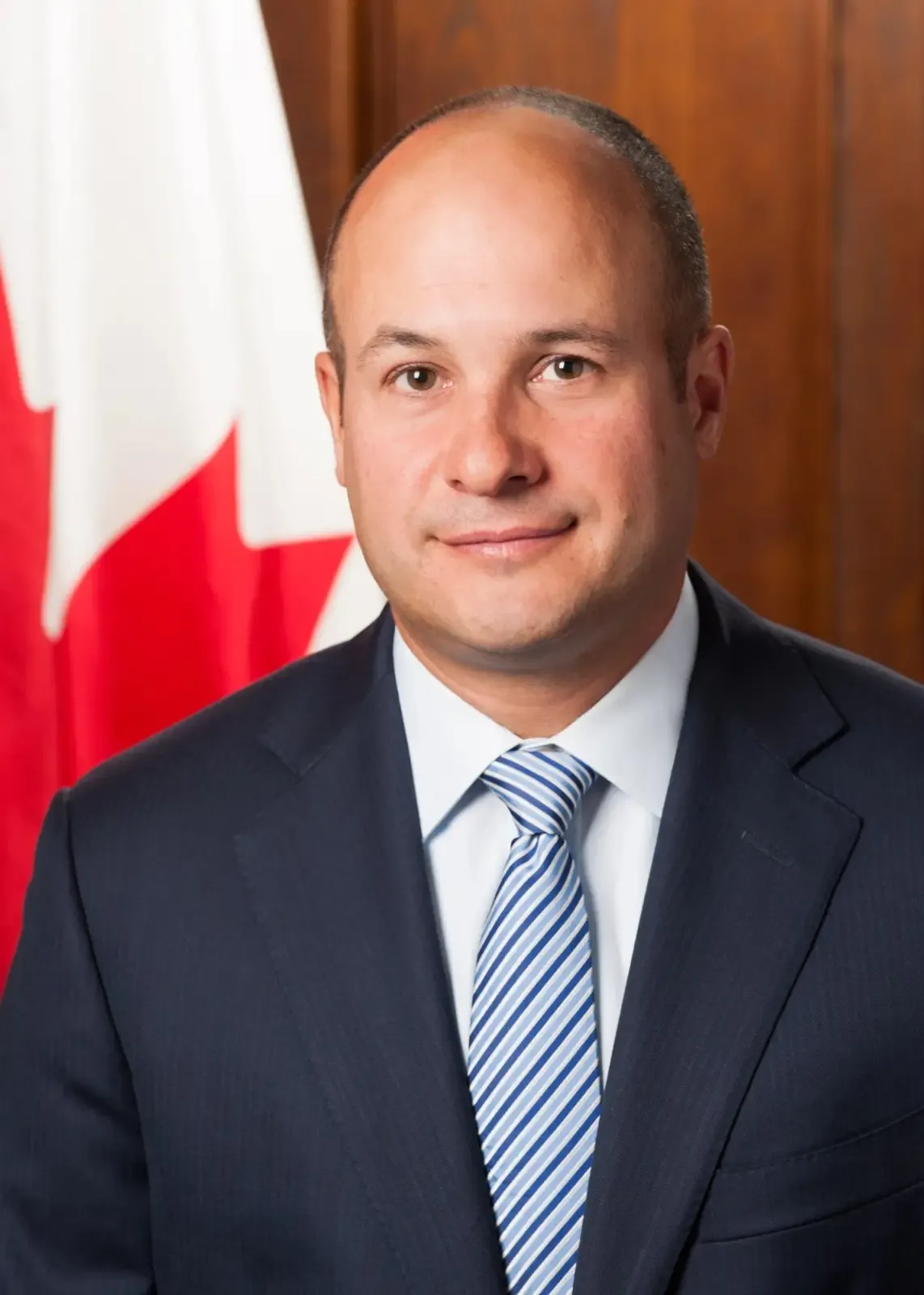
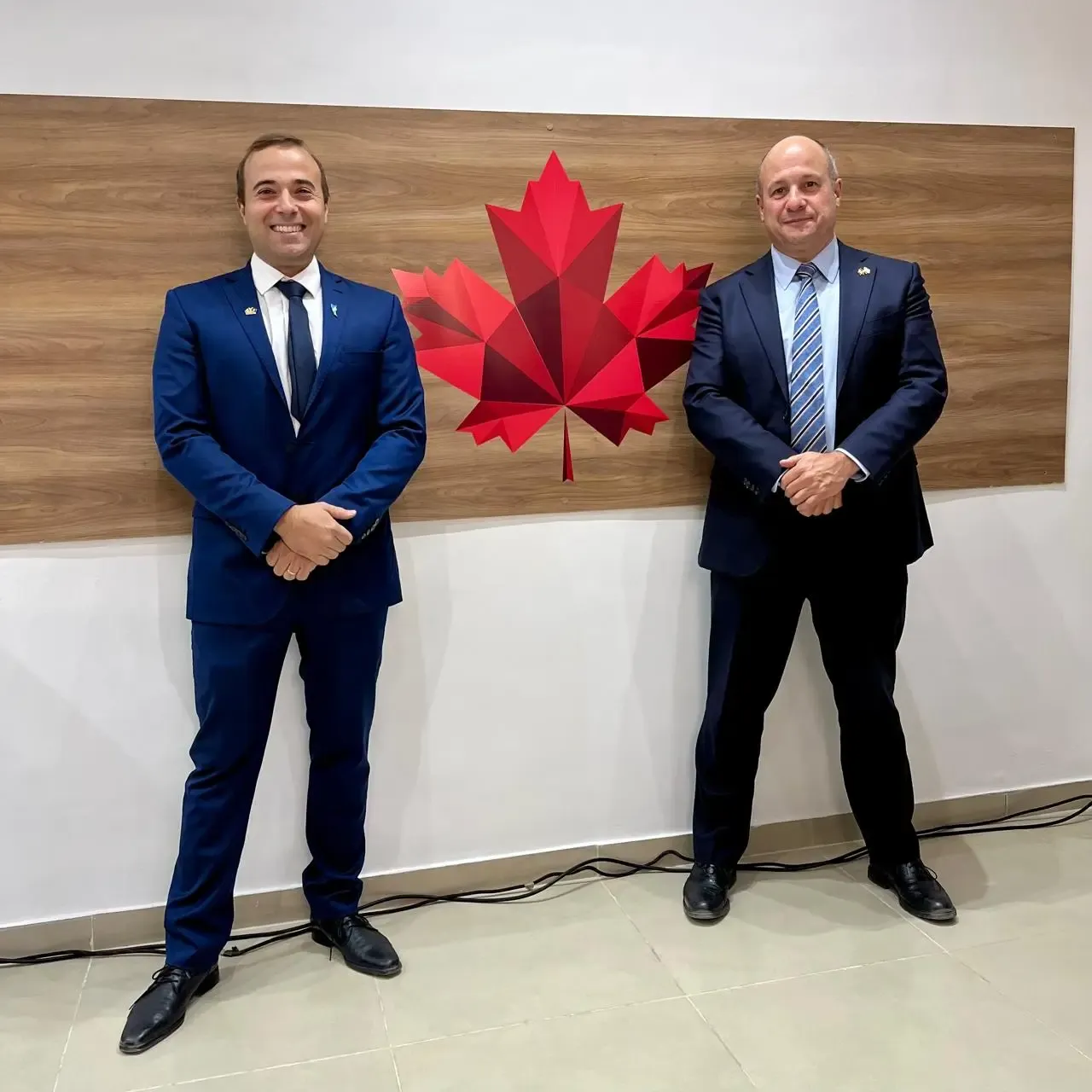
Stewart Wheeler, Ambassador of Canada to Argentina, highlighted the country’s potential and the importance of building sustainable and community-oriented development.
By Panorama Minero
Argentina–Canada Relationship
- “The relationship between our countries is going through a period of great dynamism, with mining playing a central role. For Canada, this industry has been part of its economic and productive identity for more than 150 years. There is vast accumulated experience in resource extraction and in the development of productive ecosystems linked to mining. Canada and Argentina share many similarities: both are rich in natural resources and have the potential to transform them into social growth.”
The Strategic Importance of Mining in Bilateral Relations
- “Canada is the leading foreign investor in mining in Argentina, which entails a major responsibility for the Embassy. The challenge is not only to support investments, but also to strengthen the industry through training, collaboration with universities and technical institutes, regulatory exchange, and the development of a productive and technological ecosystem linked to mining, oil, and gas.”
- “Canada contributes expertise in engineering, planning, environmental sciences, community relations, and technology. It also pursues a long-term vision, viewing mining as more than a short-term bet. Canadian companies have been in Argentina for decades and maintain a sustained commitment to mining development.”
San Juan as the First Official Visit
- “During my recent trip to San Juan, I participated in Expo San Juan Minera, met with authorities, and accompanied a delegation of companies from MSTA Canada. The visit was particularly meaningful, as it was shared with the same group present during my first official visit to the province as ambassador.”
- “San Juan and Argentine mining are strategic for Canada and for a long-lasting relationship.”
Beyond Mineral Extraction – Education and CSR
- “Modern mining can no longer be understood as merely an extractive approach. The challenge today lies in knowledge transfer, technological development, and human capital formation. Canada has built a solid model of collaboration between industry and education that can contribute to Argentine mining growth.”
- “In Canada, universities, technical institutes, and companies work together to develop training programs aligned with the real needs of the industry. The objective is to guarantee competencies, certifications, and skills demanded by a highly competitive global industry.”
- “Sustainable mining requires high technical, environmental, and social standards. To project itself over the long term, it must generate a positive impact on communities, the environment, and society.”
Knowledge Transfer – The Unicorn Future Case
- “We are working with Argentine stakeholders on educational and technical cooperation initiatives to strengthen knowledge transfer. Agreements already exist among institutions, provinces, and private companies. In San Juan, Unicorn Future stands out as an Argentine-Canadian company dedicated to professional training.”
- “During PDAC in Toronto, Unicorn Future signed an agreement with Northern College, a technical institute from northern Ontario with a strong mining tradition. This institution will collaborate so that the training programs developed in San Juan align with international standards and curricula.”
- “This will enable the exchange of professors and content, in addition to certifications endorsed by Northern College. The proposal is open to the community and seeks to generate concrete job opportunities and transferable certifications to work in different companies and provinces.”
- “We have promoted programs together with Canadian universities, such as the one developed with the University of British Columbia and its Bradshaw Research Institute for Minerals and Mining (BRIMM). Two years ago, we funded an executive diploma in mining and natural resources management for professionals from the public and private sector. Nearly 60 professionals from different Argentine provinces participated, and we continue evaluating the expansion of these initiatives.”
Visit to the Vicuña Project and Civil Society Organizations
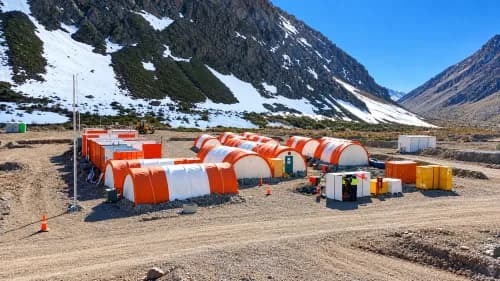
- “A little over a month ago, I visited the Vicuña project together with the Australian ambassador. The experience allowed us to grasp the scale of San Juan’s mining potential. We also participated in a working table with representatives from mining projects, universities, technical education organizations, business chambers, and provincial authorities, promoted by the San Juan Mining Chamber and the Professional Council of Economic Sciences.”
- “These spaces make it possible to identify training needs and industry demands in order to better organize the educational and technical offer. Canada and Australia have broad mining experience and believe that sharing it can contribute to the growth Argentina is currently experiencing.”
Argentina’s Mining Industry and International Interest
- “Last year, during my first participation in PDAC in Toronto, the prevailing sentiment was caution and questions regarding the continuity of changes in Argentina. This year, the scenario was different: Argentina’s potential is now taken for granted. The conversation shifted toward how to address the challenges of growth, such as infrastructure, training, financing, sustainability, and territorial planning in the face of the simultaneous advancement of multiple projects.”
- “We are entering a stage focused on building sustainable, competitive, and positive mining development for Argentina and its strategic partners, among them Canada.”
Mining and Local Communities – A Long-Term Relationship
- “The relationship between mining and community is one of the most important dimensions in the evolution of the Canadian mining industry. It has been a long process of learning and modernization. Canada not only has a mining tradition but also experience in integrating natural resource development with the needs, expectations, and rights of communities.”
Personal Experience
- “I grew up between Ottawa and Yellowknife, a mining city in northern Canada where my father worked. From a young age I saw how mining can drive regional development, but also the importance of building a good relationship with the communities linked to projects.”
A Change Emerging in the 1980s
- “During the 1980s and 1990s, Canada underwent a process of political and social maturation. Communities stopped being merely recipients of development and became actors, partners, and active participants in projects.”
- “This change transformed the way mining was understood. Canada went through stages without authentic consultation, which generated conflicts even in projects with permits. The experience taught an important lesson: it is not possible to develop sustainable projects without a genuine and trusting relationship with communities.”
A Model with a Clear Philosophy
- “Today, it is unthinkable for a serious mining company to initiate a project without working from the beginning with local communities. In Canada, this is linked to a history shaped by coexistence among Indigenous peoples, Francophone and Anglophone communities, and immigrants. There are even treaties between Indigenous peoples and the British Crown that predate independence, forming the basis of a unique constitutional and legal structure.”
- “The Canadian model cannot simply be transferred elsewhere, but its philosophy is clear: natural resource development must generate opportunities and development for the communities connected to the projects.”
Local Communities as Partners in Mining Projects
- “This approach has evolved over time and continues improving. Today there are cases where Indigenous communities participate as partners in major mining projects, with representation and capital contributions. Many perceive that responsible development can strengthen their territories, create opportunities for future generations, and improve quality of life while protecting the environment and biodiversity.”
- “Canadian legislation requires its companies to respect corporate social responsibility principles. In addition, shareholders and financial markets demand responsible practices. This combination of experience, institutional requirements, and social commitment explains why the relationship between mining and community occupies a central place in Canada’s vision for natural resource development.”
Argentina and Canada – Not Only Mining
- “McCain, the largest potato producer in Argentina, and Magna, major autoparts manufacturer, are Canadian companies. This reflects Canada’s interest in being a strategic partner in Argentina’s development. In this context, progress in negotiations between Canada and Mercosur toward a free trade agreement is encouraging.”
- “Recently, the Prime Minister of Canada and President Javier Milei discussed how to expand bilateral economic relations. In the current geopolitical context, Canada seeks to diversify its trade relationships and considers its relationship with Mercosur strategic. At the same time, Argentina is going through a stage of economic openness, and Canada seeks to consolidate itself as a long-term strategic partner.”