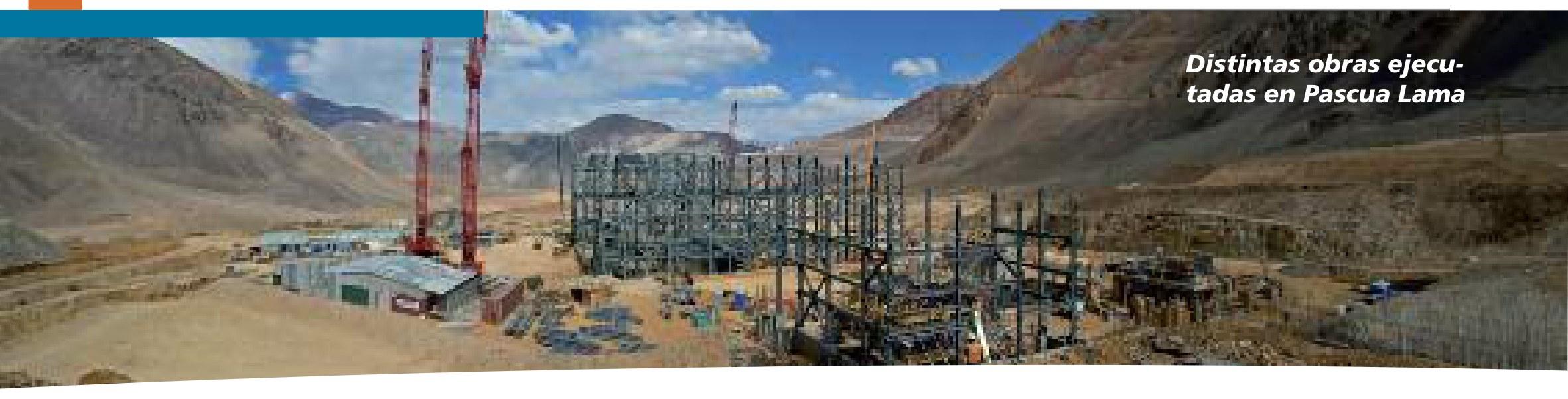
August 12, 2004 · San Juan
Pascua-Lama, a mine between two countries
On August 12, 2004, Argentina and Chile sign in Santiago the protocol to mine a shared deposit, with a planned US$1.5 billion. Nine years later, Chile orders a halt to the works on its side.
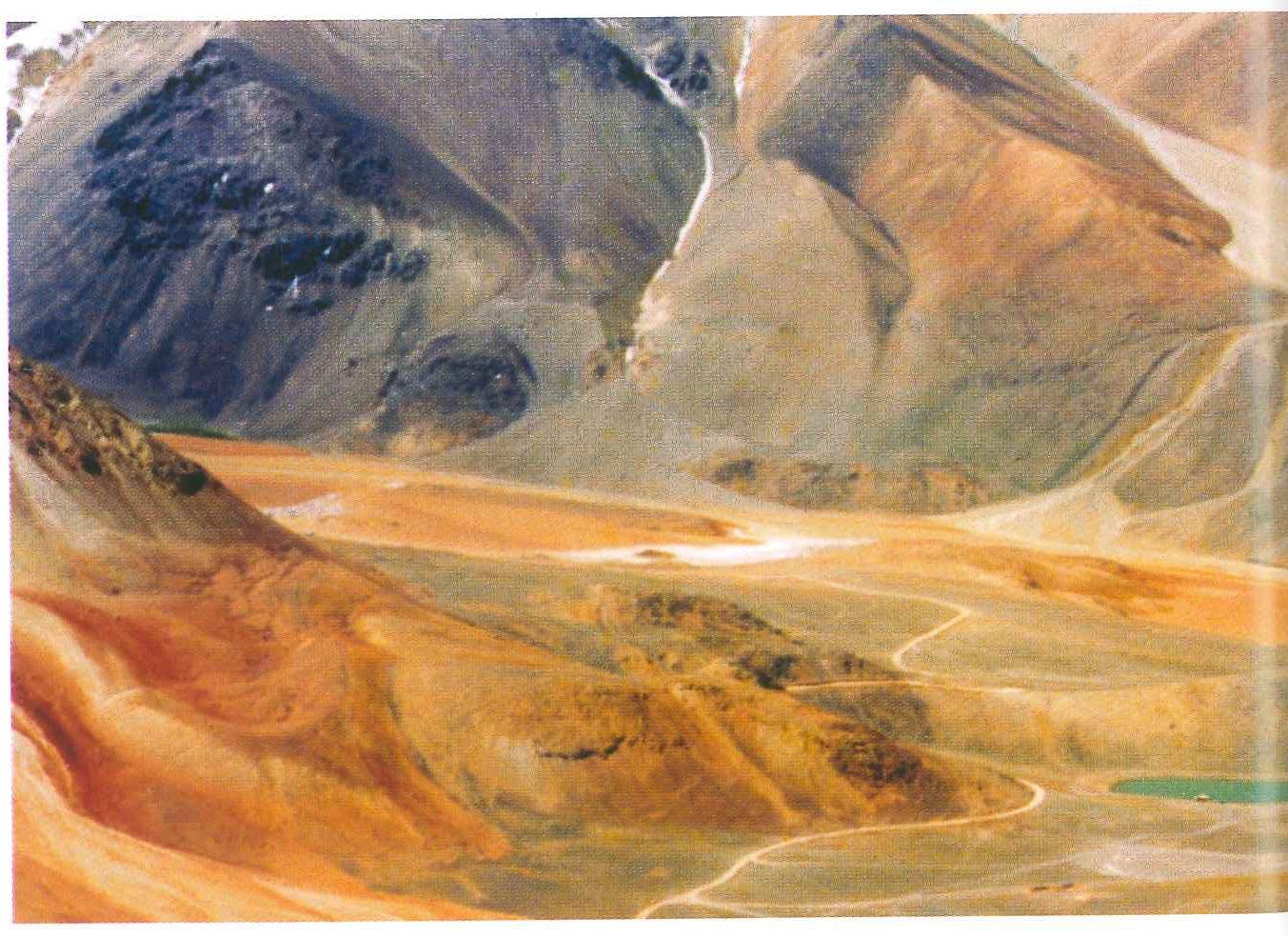
The path begins in January 1997, when both countries sign facilitation protocols for Pascua-Lama and El Pachón in Santiago. The 2004 protocol delimits the area of operation and regulates legal, tax and customs matters. Foreign ministers Rafael Bielsa and Soledad Alvear take part.
Issue 298 describes an open pit between 3,800 and 5,200 meters above sea level, with three quarters in Chile and one quarter in Argentina, where the plant and the tailings dam would be located. It reports reserves of 16.9 million ounces of gold and foresees production from 2009.
Construction begins that year. At the end of 2012 it reaches 40%, with some US$4.2 billion invested. In October 2013, Barrick announces a temporary reduction of the works, which it attributes to economic variables. In March 2019, issue 473 reports that the Supreme Court of Chile annuls, on procedural grounds, a ruling against four of the five closure orders issued in 2018. Accumulated spending stands at US$8.5 billion.