The tender launched by the National Government to concession and rebuild part of National Route 7 in Mendoza is becoming increasingly linked to one of the sectors expected to generate the greatest logistical activity along the Andean corridor in the coming years: copper mining. The section included within the Federal Concessions Network directly connects Mendoza with Chile and forms part of the logistics plans being evaluated by copper projects advancing in both Mendoza and San Juan.
By Panorama Minero
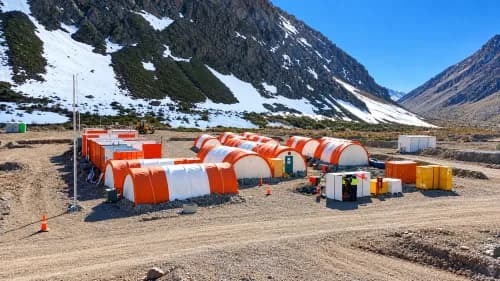
One of the most immediate examples is PSJ Cobre Mendocino. The project, located in Uspallata, plans to export copper concentrate through Chile and anticipates traffic of approximately ten trucks per day along the Cristo Redentor international corridor—precisely the mountain section of Route 7 that will now undergo improvement works under a private concession model.
This issue is particularly relevant because Argentina still lacks sufficient smelting and refining capacity to process domestically the potential copper volumes associated with the country’s most advanced projects. In this context, access to Pacific ports emerges as one of the most direct logistical alternatives for future mining exports.
The Section Entering Concession
The bid-opening process carried out by the National Government corresponds to Stage III of the Federal Concessions Network and includes more than 3,900 kilometers of national highways across different regions of the country.
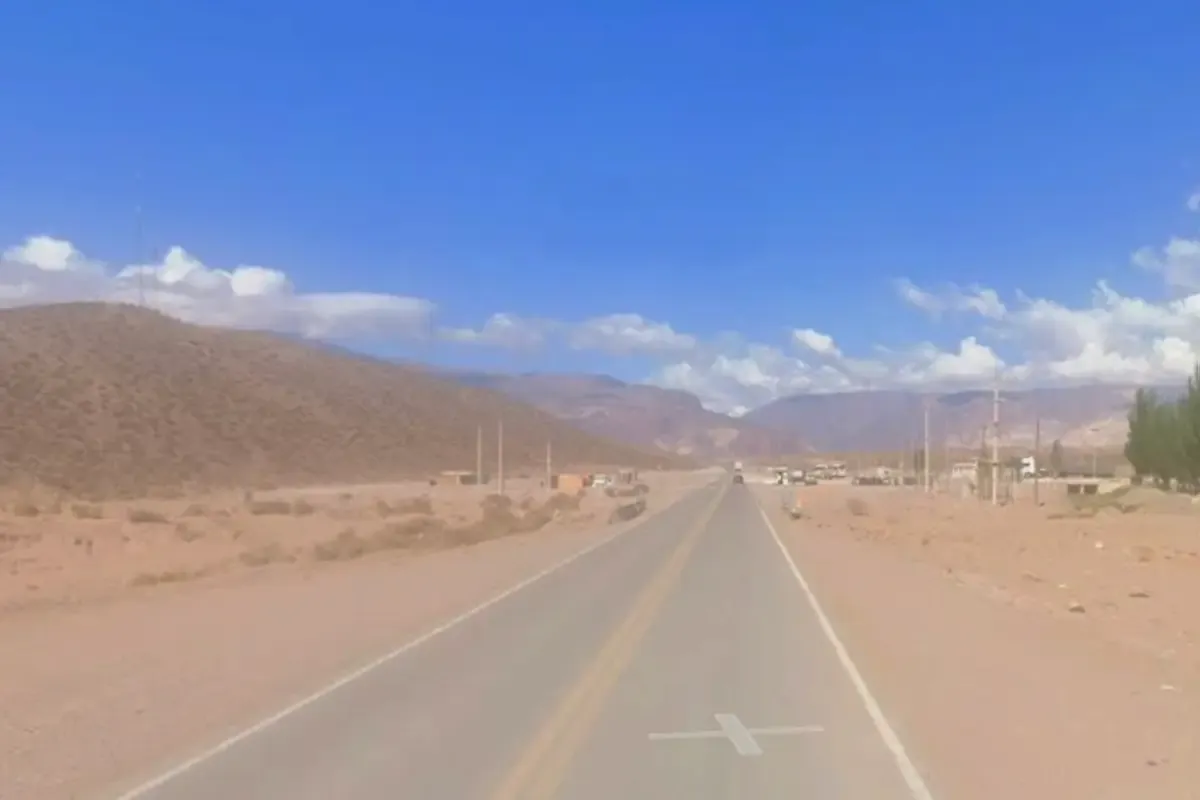
Within this framework is the so-called “Cuyo Section,” consisting of 329 kilometers of National Route 7 in Mendoza.
The corridor has been divided into two segments. The first covers 146.82 kilometers between the San Luis–Mendoza border and Palmira, while the second extends 182.27 kilometers from the Palmira Bypass to the international border with Chile.
The planned investment is approximately US$300 million under a private concession scheme financed through toll revenues.
The project includes reconstruction, operation, maintenance, and services along the corridor, including the high-mountain section leading to Cristo Redentor.
Interested Companies
Five bidders submitted proposals for the Cuyo Section. The participating companies include:
- José Cartellone Construcciones Civiles S.A.
- The consortium formed by Chediack and Roggio
- Panedile Argentina
- CPC S.A.
- Lemiro Pablo Pietroboni S.A.
According to National Highway Authorities, it has not yet been officially disclosed which proposal corresponds to each specific section being tendered.
A total of 20 bidders participated across the various corridors included in this national concession stage.
Toll Stations and Planned Works
The tender documents include toll stations along the Mendoza corridor at La Paz, Palmira Bypass, and Potrerillos.
Future concessionaires will also be required to implement automatic tolling systems and Free Flow electronic payment technologies.
The authorization of new toll stations will be conditional upon the completion of the initial rehabilitation works and the opening of the Palmira Bypass in the corresponding sections.
Route 7 and Mining Exports to the Pacific
Route 7 carries a significant portion of the commercial land traffic between Argentina and Chile and serves as one of the country’s principal bioceanic corridors.
Alongside the expected growth of copper projects in Mendoza and San Juan, the corridor is becoming increasingly important as part of the logistics infrastructure associated with future mining exports.
Governor Alfredo Cornejo stated that “Route 7 is strategic for Mendoza and for all of Argentina,” adding that the inclusion of the Cuyo Section within the Federal Concessions Network had been a long-standing request from the province to modernize a route closely linked to production, trade, and integration with Chile.