The Meeting Reinforced a Shared Agenda Focused on Mining, Infrastructure, and Trade.
By Panorama Minero
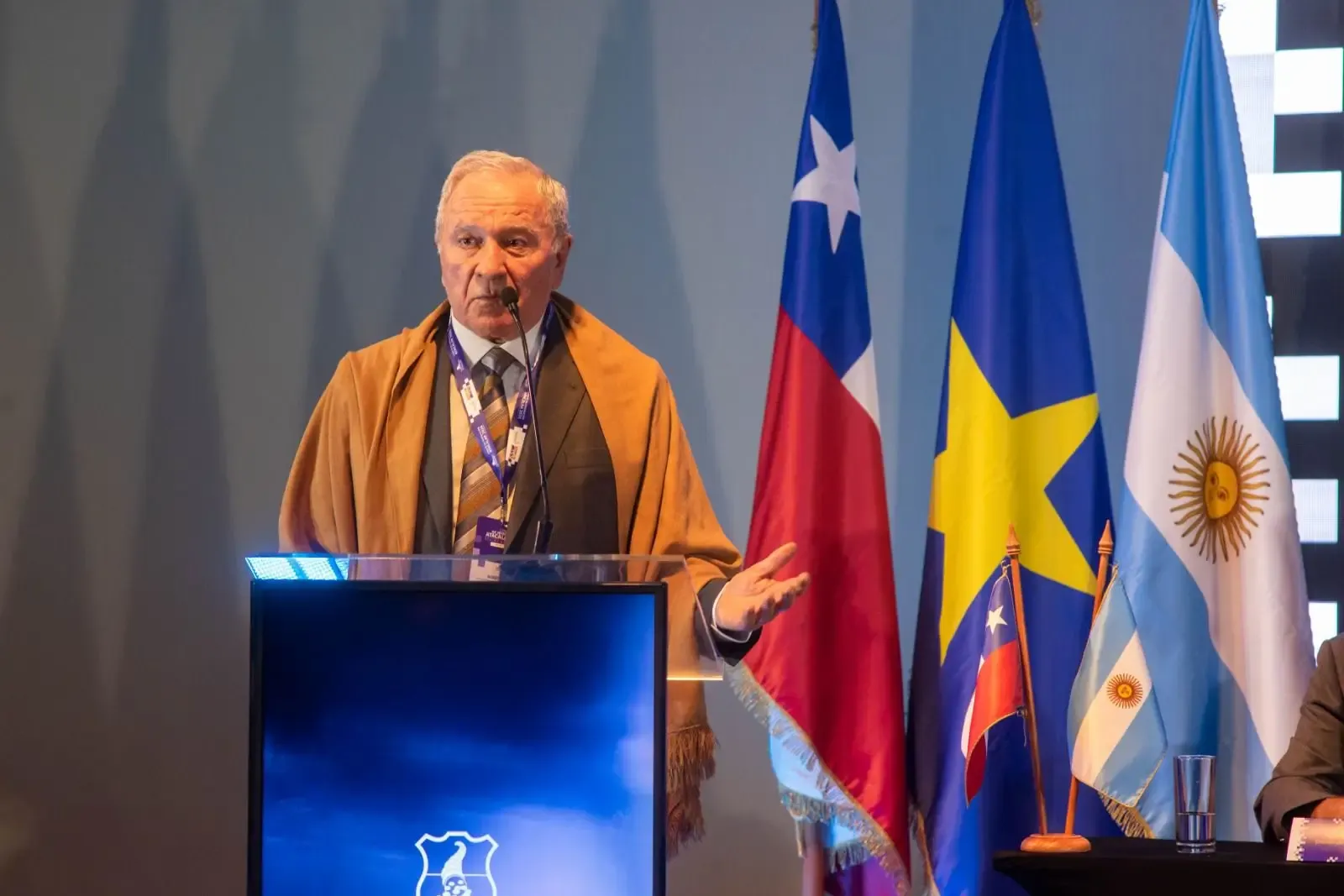
Catamarca participated in a new edition of ATACALAR, where tangible progress in regional integration, infrastructure, and economic development was highlighted. This was confirmed by Rubén Dusso, Vice Governor of Catamarca, who reviewed the activities carried out in the Republic of Chile and emphasized the strengthening of the Bi-Oceanic Corridor as a strategic tool to enhance mining, logistics, and trade between the two countries.
Dusso highlighted the institutional support achieved during the meeting and stated that the participation of representatives from Argentina and Chile "consolidates a working agenda that extends beyond the provinces and regions that make up the bloc."
"Representatives from the Foreign Ministries of Argentina and Chile, the national governments, and the provinces and regions that make up ATACALAR participated. This makes the Bi-Oceanic Corridor a reality," he said. In this context, he highlighted the presence of delegations from Catamarca, Tucumán, Santiago del Estero, Córdoba, and Entre Ríos, together with representatives from Chile's Atacama Region.
Ports, Trade, and New Opportunities
One of the main topics discussed during the meeting was the development of port infrastructure on the Chilean side and the opportunities it creates for the private sector.
"For a long time, people talked about using Pacific ports to reach the west coast of the Americas and Asian countries, but those ports were not prepared. Now they are being upgraded, and there are already ports capable of operating," the Vice Governor explained.
According to Dusso, this new scenario promotes commercial ties between Argentine and Chilean businesses, enabling market expansion and strengthening productive exchanges between both territories.
Mining as a Driver of Integration
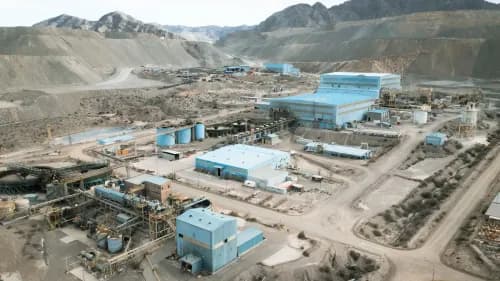
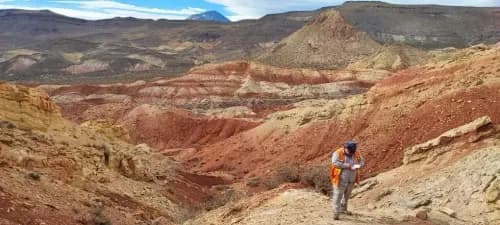
Dusso also focused on the growth being experienced by the Atacama Region and the opportunities this process could create for Catamarca.
"It is Chile's leading region for mineral exploration and has projected investments of US$18 billion over the next five years," he stated.
According to the Vice Governor, this level of investment will require approximately 25,000 new jobs as well as a significant supply of goods and services.
"Business leaders from Catamarca are already in discussions with their counterparts in Atacama to exchange meat, eggs, and other products. We can also learn a great deal from them in terms of small- and medium-scale mining," he added.
Infrastructure for Regional Competitiveness
Another key topic on the agenda was the need to advance the Bi-Oceanic Railway Corridor, a project considered strategic for improving the competitiveness of regional economies.
"We are getting a little closer every time. Negotiations are continuing, and we believe the project will ultimately come to fruition," Dusso said in reference to the initiative.
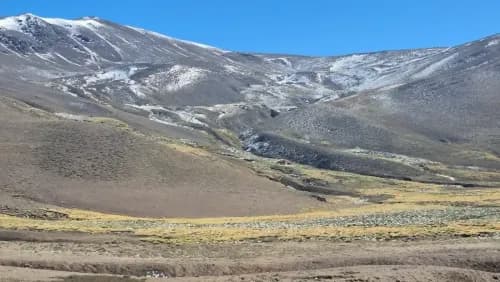
The Vice Governor also highlighted the region's geothermal energy potential and suggested that the expansion of mining activity could become a key factor in enabling new investments in this field.
"Previously, geothermal resources existed in areas where there was no mining activity. Today, mining is creating the demand needed to make those projects viable," he explained.