With projects beginning to move forward, the sector’s main constraint is no longer regulatory or geological, but rather the logistical capacity needed to sustain exploration.
By Panorama Minero
As Mendoza speeds up regulatory definitions and begins to unblock projects that had been stalled for years, a less visible but decisive constraint is emerging: basic logistics for mining exploration. This was highlighted by Emilio Guiñazú, CEO of Impulsa Mendoza, during a presentation at a logistics forum held in the province, where he warned that the main challenge currently facing the sector is neither geological nor regulatory, but strictly operational.
“The current bottleneck lies in the most basic logistics,” he summarized. The warning is particularly focused on the prospecting and early exploration stage, where access to high-altitude areas, the availability of services, and the coordination of an appropriate multimodal logistics scheme are conditioning the real pace at which projects can move forward.
Exploration is the critical focus today
Beyond the more advanced projects, the main point of tension lies in exploration. According to Guiñazú, prospecting companies attempting to access high-altitude terrain are encountering serious difficulties in assembling the minimum logistics package required by modern mining activity.
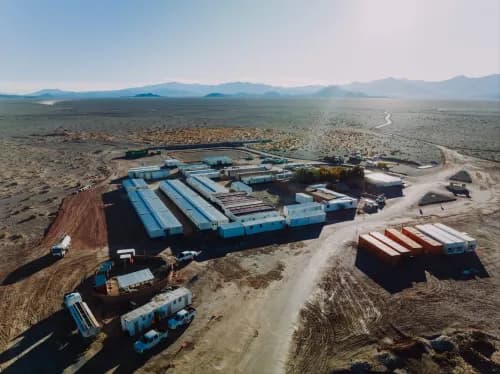
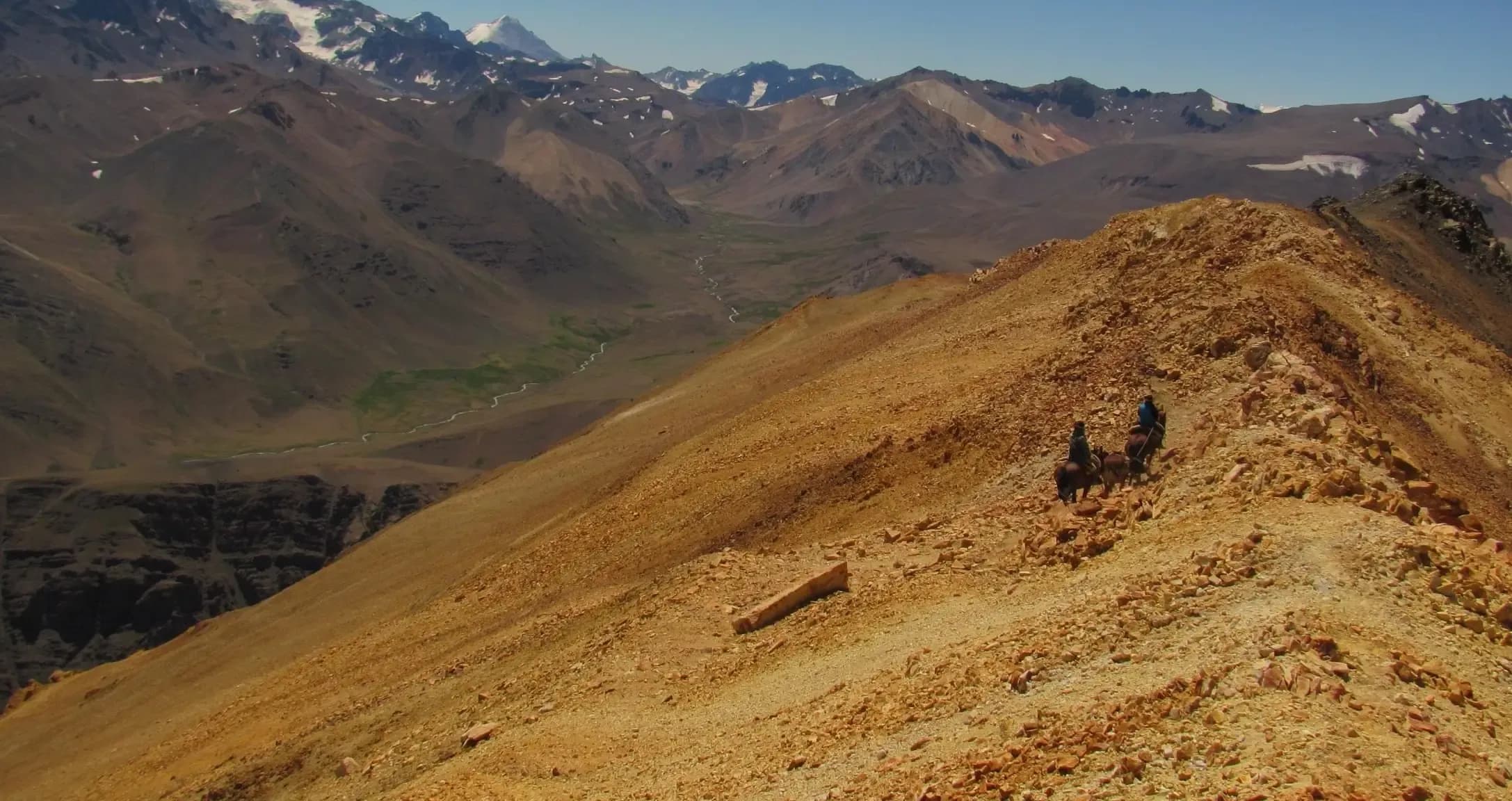
“We are not talking about trucks or heavy loads. We are talking about 4×4 vehicles, pack animals, experienced guides, communications, camps, and a range of services that must also meet international standards of hygiene, safety, and sustainability,” he explained.
This setup, often perceived as basic, is currently neither readily available nor professionally organized. Without it, exploration campaigns simply do not take place.
Short operational windows and structural delays
The warning is technical but forceful: the effective exploration season in high mountain areas lasts only three to four months, roughly from late spring through March. If a company fails to access the field during that window due to logistical shortcomings, the project is delayed by an entire year.
“If a prospector cannot enter the field because they cannot secure logistics such as pack animals, personnel, catering, communications, or certified services, the project is delayed by one, two, or even three years. And under those conditions, mining is simply not possible,” he stated.
From an operational standpoint, the system should be capable of supporting between 100 and 150 exploration campaigns per season. Each may be small in scale—four people, six pack animals, and two-week camps—but they are the campaigns that determine whether a project advances or remains stalled at its earliest stage.
Productive roads and territorial access
As a partial response to this scenario, Impulsa Mendoza is moving forward with the opening and improvement of so-called “productive roads” in the Malargüe department. This involves more than 400 kilometers of routes being upgraded to facilitate access for prospectors and explorers to areas where, in many cases, the final stretch must still be covered on horseback.
While this work does not replace specialized logistics, it does reduce costs, time, and risk, and improves minimum access conditions to the territory.
Logistic scales, different challenges
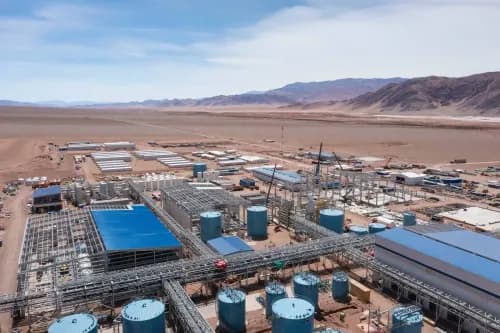
The diagnosis is completed with a comprehensive view of the mining value chain. Each segment presents its own logistical challenges, ranging from mule-supported exploration to the movement of large-volume cargo.
Finally, the CEO of Impulsa Mendoza emphasized that modern mining logistics is not limited to transportation. A first-class mine—even a small or medium-scale operation such as San Jorge—requires a flow of materials, supplies, and personnel comparable to that of a small city, under quality, safety, and sustainability standards that Mendoza has yet to fully develop.
“The closest reference we have is oil industry logistics, but mining demands much higher standards, especially in high-altitude projects,” he said, noting that provinces such as San Juan already have a network of service companies adapted to these international requirements.
The underlying message is both technical and strategic: without logistics, there is no mining. Mendoza currently has a narrow window of opportunity to adapt its service ecosystem, train companies, and consolidate a system capable of sustaining both exploration and the productive projects now beginning to move forward.
The bottleneck is not underground, but on the surface. Resolving it will be decisive in turning mining from an expectation into an operational industry.