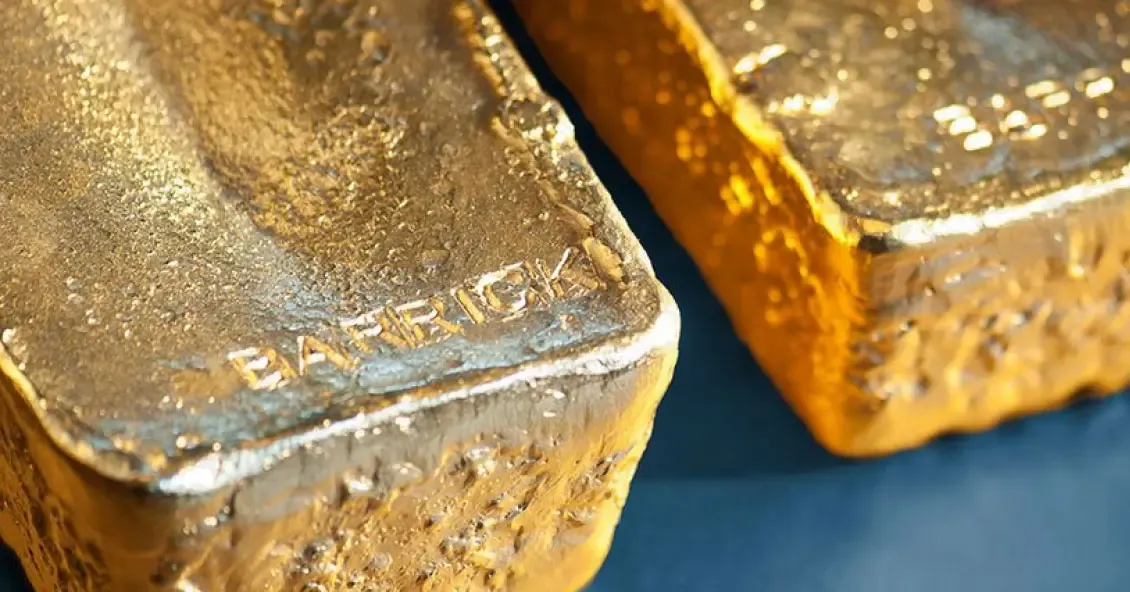
Gold reached an unprecedented milestone on Monday, surpassing the US$5,000-per-ounce level for the first time in history, consolidating a rally that shows no signs of exhaustion and reflects a profound shift in the dynamics of global financial markets.
By Panorama Minero
Spot gold climbed to US$5,035.83 per ounce, while U.S. futures set a new record, reaching US$5,074.71 in the early hours of the Argentine morning. With this move, the metal has gained more than 8% over the past week and nearly 17% so far in 2026, reinforcing its role as the primary store of value in periods of heightened uncertainty.
The breach of the US$5,000 level represents not only a nominal record, but also a symbolic inflection point for the precious metals market, reaffirming gold as a barometer of systemic distrust and the growing fragility of the international economic order.
A Rally Extending Across the Entire Precious Metals Complex
Gold’s advance occurred alongside broad-based gains in other precious metals. Silver reached new all-time highs, while platinum also posted recent peaks, in a move that underscores a widespread search for hedging instruments amid financial and geopolitical volatility.
This behavior reflects a combination of structural and cyclical factors. Key catalysts include the intensification of geopolitical tensions across multiple fronts, expectations of a more accommodative U.S. monetary policy toward late 2026, and persistent demand from central banks and institutional investors, which continue to increase their exposure to assets considered safe havens.
Geopolitics, Trade, and a More Fragile Global Landscape
In recent weeks, markets have incorporated new sources of uncertainty linked to U.S. foreign policy. Tensions between Washington and NATO countries over Greenland, together with an escalation in trade rhetoric driven by Donald Trump, have reignited risk aversion across international markets.
Warnings from the former U.S. president regarding the potential imposition of 100% tariffs on Canadian products, as well as his criticism of the trade relationship between Canada and China, have reinforced fears of a new phase of trade frictions, with a direct impact on global financial flows.
The Federal Reserve Under Market Scrutiny
Adding to this backdrop is growing anticipation surrounding the Federal Reserve’s upcoming policy decision. While market consensus expects interest rates to remain unchanged in the short term, investors are closely monitoring signals regarding the timing and pace of potential rate cuts further ahead.
A lower interest-rate environment tends to support gold by reducing the opportunity cost of holding non-yielding assets. In this context, both statements from Fed Chair Jerome Powell and the forthcoming decision regarding the leadership of the institution are being closely watched by markets.
A New Structural Floor for Gold?
Beyond short-term factors, the move above US$5,000 per ounce raises deeper questions about whether gold is entering a new structural phase, in which historically elevated price levels begin to function as a floor rather than a ceiling.
In a world shaped by persistent geopolitical conflicts, shifting alliances, trade tensions, and growing doubts over monetary stability, gold has reclaimed a central position in the global financial architecture, setting consecutive records and redefining its role as a strategic asset.