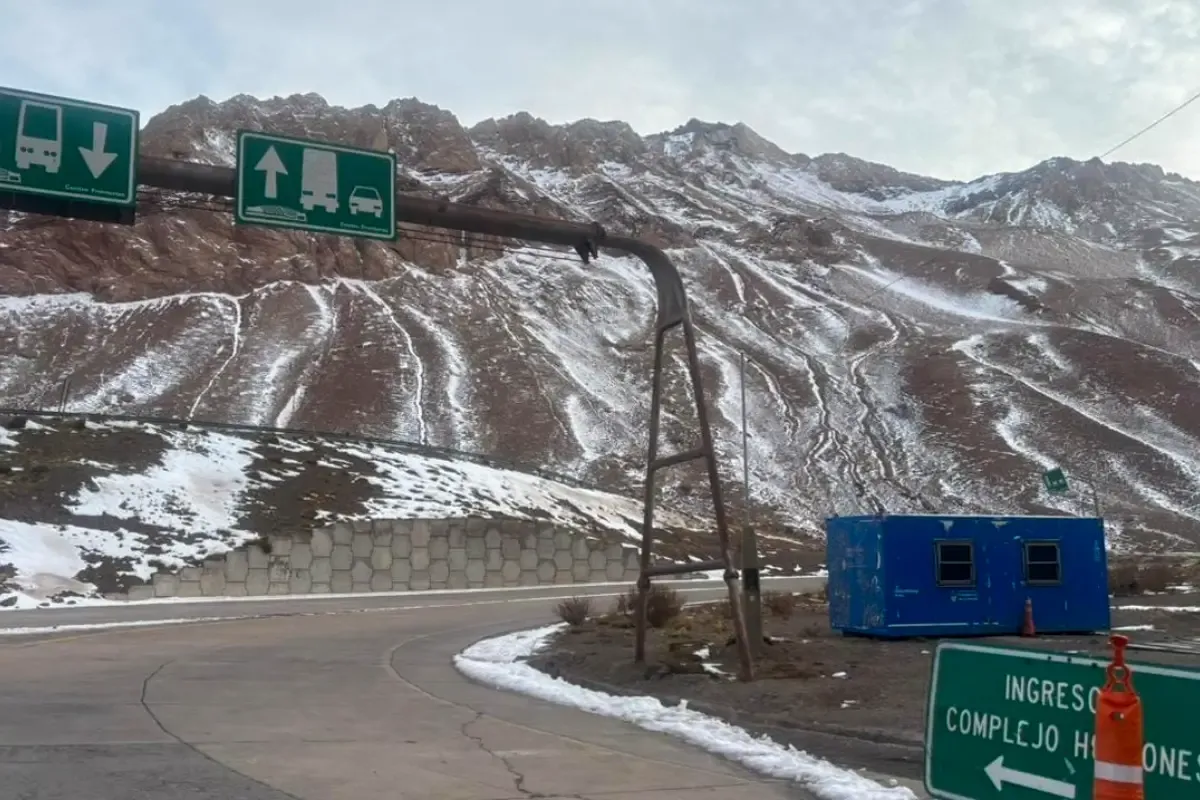
The tender process for the concession of the so-called Cuyo Section under Stage III of Argentina's Federal Highway Concessions Program continues with four consortiums still in competition. The project covers 329 kilometres of National Route 7 in Mendoza, including a 146-kilometre section between Desaguadero and Variante Palmira, and another 182-kilometre stretch between the junction of National Routes 7 and 40 in Agrelo and the international border with Chile.
By Panorama Minero
The concession forms part of Stage III of the Federal Highway Concessions Program, through which the Argentine government aims to transfer the operation, maintenance and investment responsibilities for more than 3,900 kilometres of national highways to the private sector. For the Cuyo Section, the planned investment is estimated at approximately US$300 million under a privately financed concession model, with cost recovery through toll revenues.
The remaining bidders are the consortiums Cartellone–Constructora San José, Laugero–Green–Corporación del Sur, CPC S.A. (Grupo Indalo), and IEB Construcciones–Trading MRG. Mendoza-based contractor Ceosa, which had carried out preliminary assessments of the corridor to evaluate a potential bid, withdrew before the submission of final proposals. The successful bidder will be responsible for operating, maintaining, rehabilitating and managing the corridor for a minimum period of 20 years.
A Corridor Under Evaluation for Mining Logistics
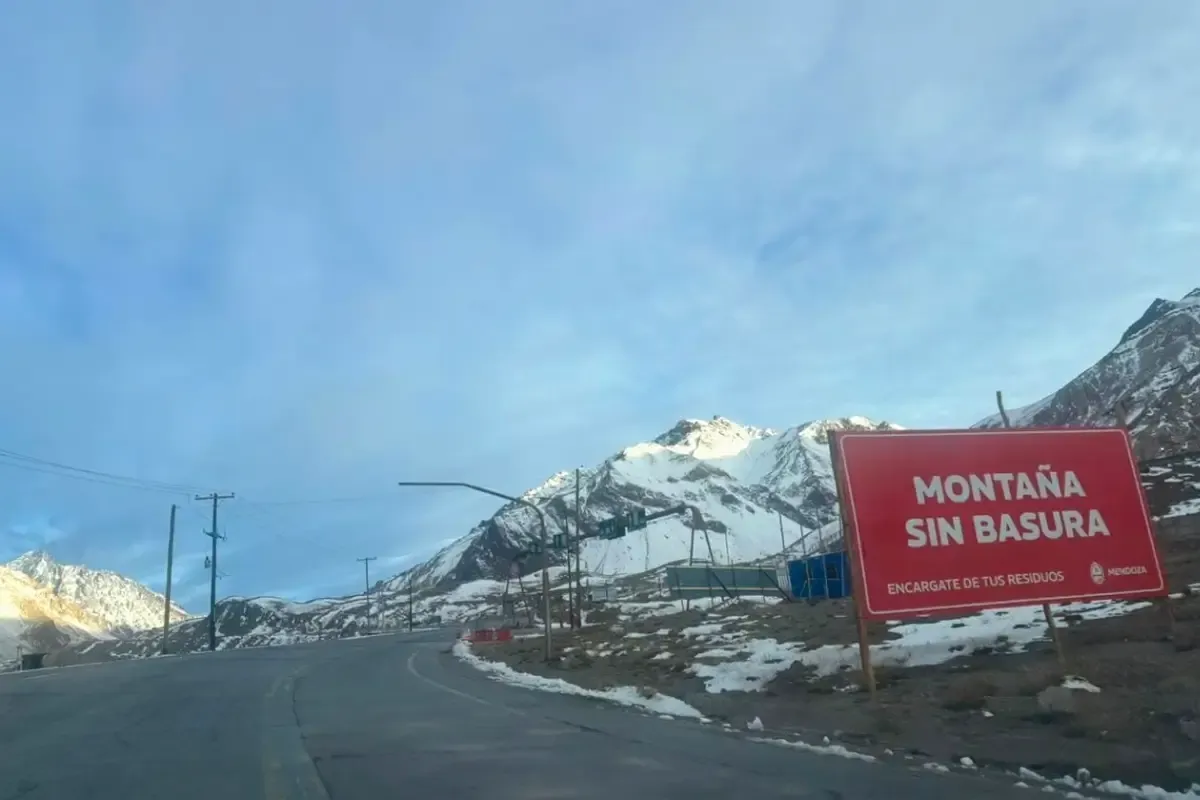
National Route 7 is Argentina's main overland connection between Mendoza and the Cristo Redentor Integrated Border Crossing, linking the country's central region with ports on the Pacific Ocean. The corridor is currently being assessed as one of the logistics alternatives for future copper concentrate exports from several mining projects.
One of those projects is PSJ Cobre Mendocino, which continues evaluating both a Pacific export route and an alternative through Argentina's Atlantic ports while completing its feasibility study. The project has already been approved under the Large Investment Incentive Regime (RIGI) and plans to begin construction in 2027, with production expected to start in 2029. Its current mine plan targets average annual production of 40,000 tonnes of contained copper in concentrate during its first 16 years of operation, with the potential to increase output to between 60,000 and 70,000 tonnes per year.
What the Concession Includes
The tender establishes a concession period of at least 20 years, with no direct financial contribution from the national government. The concessionaire will finance all required investments and recover those costs through toll collection during the concession period.
During the first year, the contract предусматриes rehabilitation works including pothole repairs, pavement restoration and routine maintenance. Subsequent phases include reconstruction and resurfacing of various sections of the existing alignment, without modifications to the current route. The concession also includes the provision of road-user services throughout the contract period.
The project also calls for the installation of additional toll stations. Besides the existing toll plazas at La Paz and Las Cuevas, new toll points are planned at Variante Palmira and either Potrerillos or Uspallata. The tender documents also contemplate the implementation of electronic toll collection and Free Flow systems once the new toll stations become operational.

A Logistics Corridor Still Awaiting Final Decisions
National Route 7 has gained renewed attention within Argentina's mining infrastructure agenda as several copper projects assess export alternatives for future concentrate shipments. Among them is PSJ Cobre Mendocino, which continues evaluating both Pacific and Atlantic export routes while advancing its feasibility study.
The Pacific option benefits from the corridor's proximity to Chilean ports and its existing international freight infrastructure. However, the final logistics strategy will depend on technical, economic and operational considerations that each project will need to resolve before production begins.
The future of National Route 7 is also being closely monitored by other copper projects advancing in Mendoza and San Juan. Although none has yet finalized its export logistics strategy, the corridor already forms part of the engineering, feasibility and supply chain studies supporting the development of these projects.