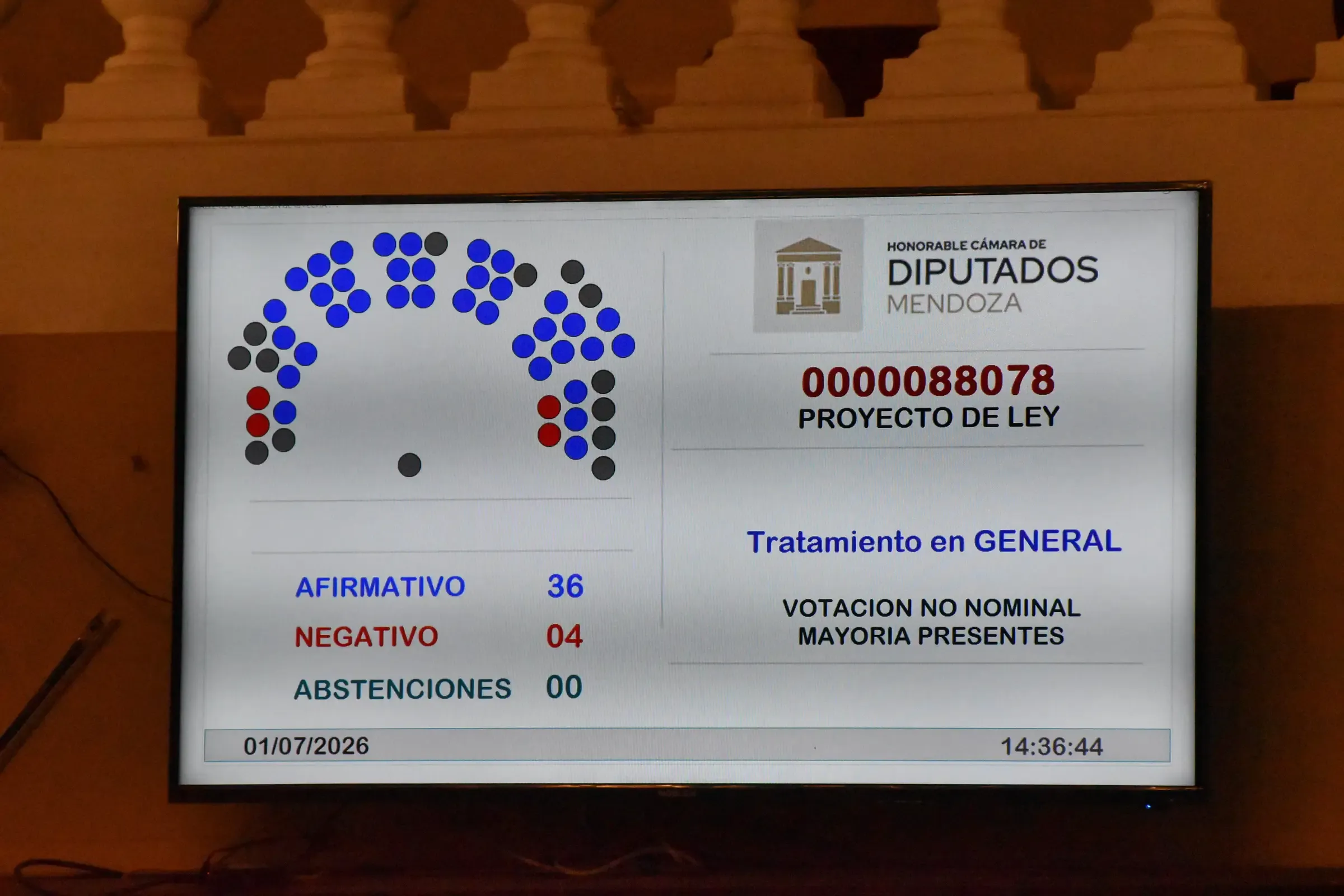
The Mendoza House of Representatives approved the Environmental Impact Declaration (EID) for the Don Luis y Otro project, a lithium exploration initiative located within the Salinas del Diamante evaporite system between San Rafael and Malargüe. With 37 votes in favor and 4 against, the project completed the institutional approval process established under Law 7,722 and is now authorized to move into its operational exploration phase.
By Panorama Minero
The legislative approval carries particular technical and institutional significance, as it is the first project specifically focused on lithium exploration to receive political ratification under Mendoza's mining environmental framework. Under this process, the project underwent technical evaluation, environmental review, consultation with sectoral agencies, and public hearings before reaching the legislative chamber.
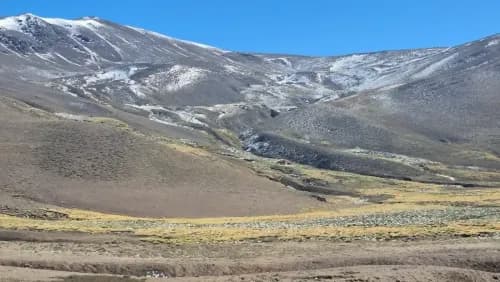
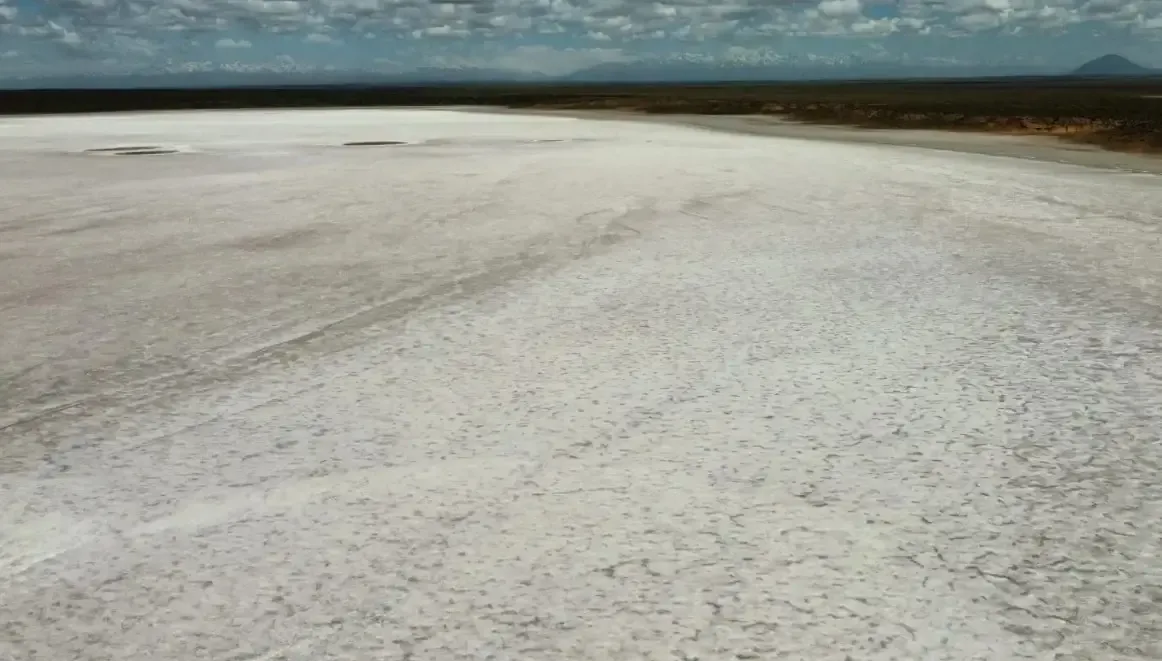
The project covers a total area of 234,256.5 hectares, distributed across an endorheic evaporite basin characterized by surface salt accumulations and an exploration model aimed at identifying deep brine reservoirs with lithium potential. The area comprises 26 mining claims, forming a large-scale lithium exploration block.
The ownership structure includes El Jarillar S.A., Eduardo Piñero, and Cordillera Ventures S.A., which hold the mining rights comprising the exploration block. Ampere Lithium has joined the project as the company responsible for leading the technical exploration program, focusing on deep lithium-bearing brines.
El Jarillar contributes a distinctive element to the project, having maintained historical operations in the area related to sodium chloride production, providing operational knowledge of the evaporite system's surface dynamics. Building on that experience, the new exploration phase is directed toward a different objective: identifying deep reservoirs with lithium-bearing brines.
Geophysics and Target Definition
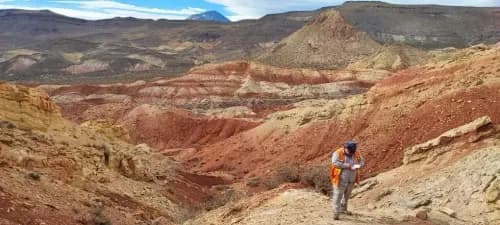
The approved technical program is divided into two phases. The first includes surface geological reconnaissance and a magnetotelluric geophysical survey designed to measure subsurface electrical resistivity in order to identify areas with potential saline fluid accumulations.
This methodology is particularly important in evaporite systems because it allows the construction of subsurface models before drilling; helping define areas with the highest probability of hosting mineralized brines.
According to the technical plan submitted by the company, the geophysical survey will comprise between 30 and 50 measurement stations, with recording times ranging from five to ten minutes per station, covering the target area through existing access roads and ground reconnaissance.
The objective of this phase is to define the initial drilling targets, reducing geological uncertainty and refining the basin's hydrogeological model.
Drilling to Depths of up to 600 Metres
The second phase includes drilling campaigns reaching depths ranging from 90 to 600 metres, depending on the results obtained during the geophysical program.
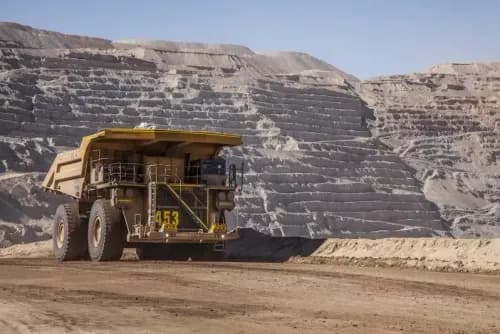
The exploration plan contemplates two drilling methods: Reverse Circulation (RC) drilling and Diamond Drilling (DDH). Reverse circulation drilling is intended to reduce water consumption during the initial exploration stage, while diamond drilling will recover continuous core samples for lithological and structural characterization.
In addition to geological information, the drilling program will evaluate key reservoir parameters, including transmissivity, porosity, permeability, and the hydraulic behavior of the brines.
The program also includes pump tests lasting up to 72 hours, aimed at collecting fluid samples and characterizing their physical and chemical properties, a critical step in evaluating lithium concentrations and potential future metallurgical processing routes.
A Basin with an Industrial History and a New Mineral Exploration Target
The Don Luis project is located within an area that has historically been associated with the production of industrial salts. El Jarillar S.A., which holds part of the mining rights included in the project, has operated in the area for many years.
That operational history provides valuable knowledge of the evaporite system's surface dynamics. However, the current exploration model shifts both the scale and depth of the investigation, focusing on underground brine reservoirs rather than the surface extraction of halite.
The project's technical design also contemplates that future stages could incorporate Direct Lithium Extraction (DLE) technologies; an alternative processing method intended to recover lithium from brines without relying on large evaporation pond systems and with a smaller surface footprint.
With legislative approval now secured, the Don Luis project is authorized to begin its first operational phase and generate the first exploration data from a basin that, until now, had not been explored specifically for lithium under Mendoza's institutional and environmental framework.