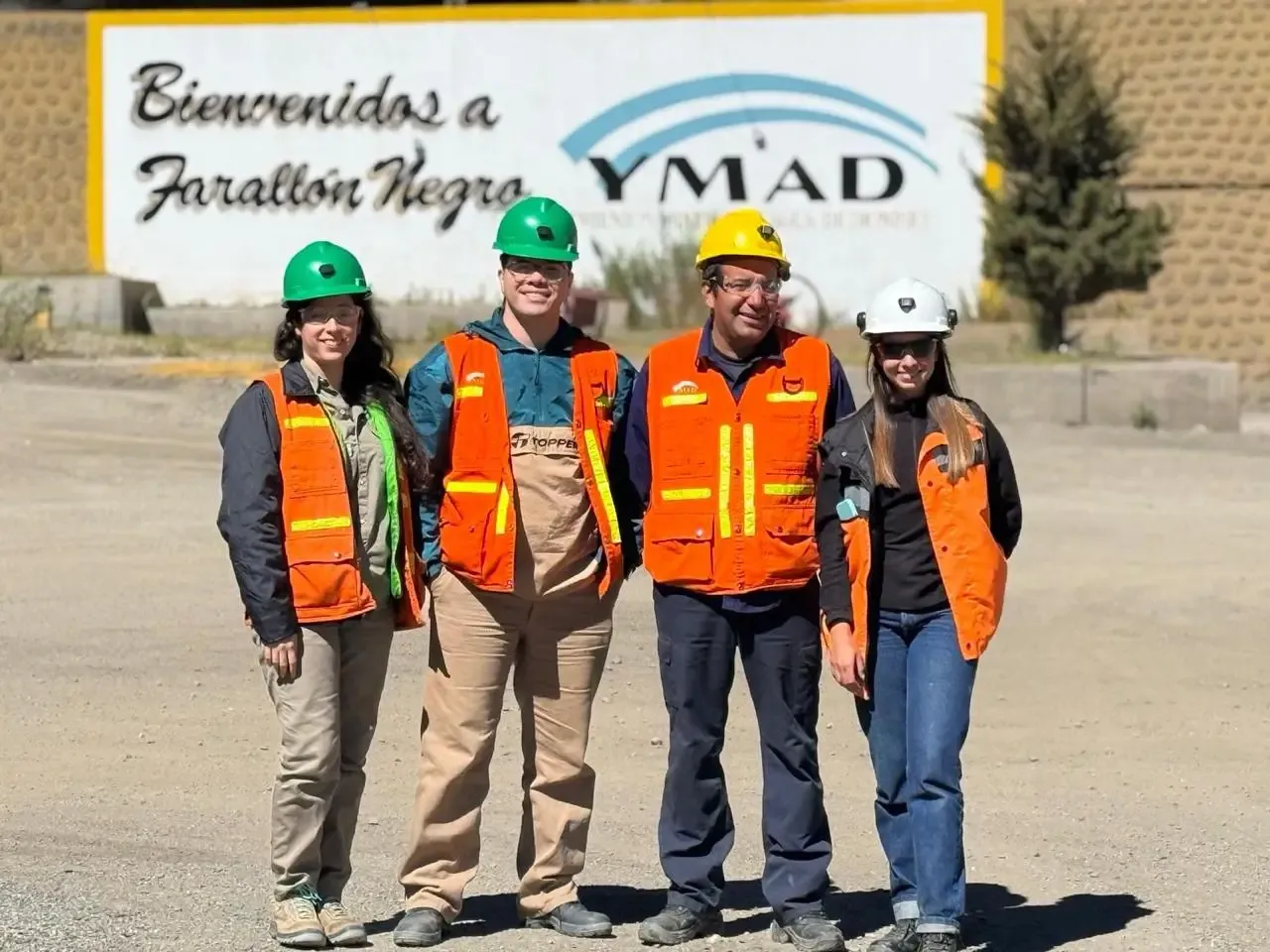
Yacimientos Mineros de Agua de Dionisio (YMAD) currently maintains 31 active academic partnerships with students from the National University of Catamarca (UNCA) and the National University of Tucumán (UNT), through a framework that integrates university education, applied science and mining activity.
By Panorama Minero
The company works alongside both institutions through 26 professional internships and 5 final degree projects, linked to strategic disciplines for the industry, including Mining Engineering, Geology, Environmental Physics, Geodetic and Geophysical Engineering, Chemical Engineering and Industrial Technical Studies.
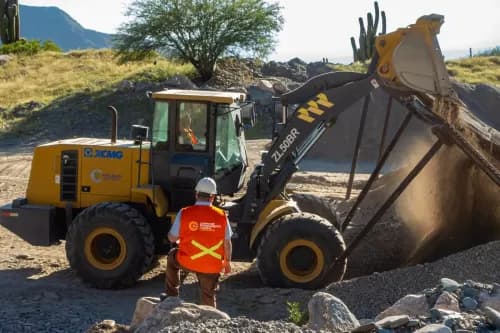
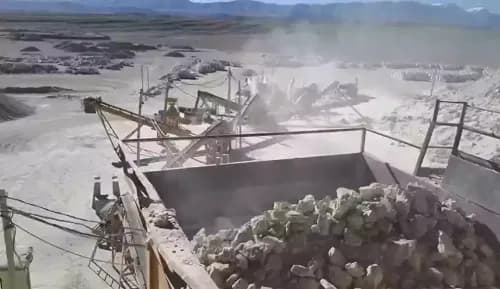
The framework allows university students to gain experience in real productive environments, applying technical knowledge in areas related to operations, environmental management, mineral processing, geological surveying and technological development.
Applied Training for the Mining Industry
Collaboration between universities and mining companies has become one of the key mechanisms for expanding the availability of technical profiles in productive regions. Within this context, YMAD operates as a complementary training space for students preparing to enter the sector.
Final degree projects hold particular relevance within the program, as they involve applied research focused on real mining-related challenges. This creates a direct connection between academic work and the operational needs of the industry.
“The company reaffirms its commitment to the educational, technical and professional development of the region through the consolidation of professional internship and academic support programs aimed at university students from strategic disciplines linked to the mining, technological and scientific sectors,” YMAD stated.
University, Industry and Regional Development
Early integration of students into productive environments generates impacts across multiple dimensions. For future professionals, it provides exposure to operational processes before graduation. For the company, it represents participation in the training of profiles that could later become part of the sector.
From a regional perspective, these programs also contribute to retaining local talent and strengthening technical capabilities in provinces with mining activity. The participation of students from Catamarca and Tucumán supports the connection between academic training and regional productive needs.
Strategic Disciplines for a More Complex Mining Industry
The diversity of disciplines involved reflects the broader range of capabilities required by today’s mining industry. Beyond traditional profiles such as Mining Engineering and Geology, the program includes fields related to environmental sciences, geophysics, chemistry, geodesy and industrial processes.
This composition aligns with an industry that increasingly requires integrated knowledge, from geological analysis and territorial modeling to environmental management, mineral processing and operational technical control.
The participation of students from Environmental Physics, Geodetic and Geophysical Engineering, and Chemical Engineering illustrates the growing demand for multidisciplinary teams and specialized training across different stages of the mining cycle.
A Framework With Expansion Potential
YMAD’s experience outlines a collaboration model that could expand across the sector, particularly in regions where mining activity demands greater availability of technicians, professionals and specialized services.
Sustaining this type of articulation requires university-company agreements, faculty participation in applied research and transfer projects, and public policies aimed at promoting practical training in mining regions.